Kıymetli Risale: Madenlerin Doğuşu ve Filozof Taşı Üzerine
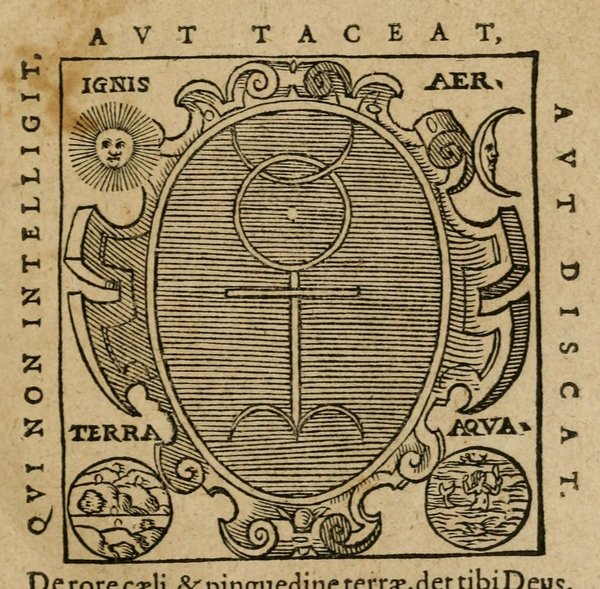
Musaeum Hermeticum Reformatum et Amplificatum (Frankfurt, 1678) dijital nüshasından özgün bir sayfa (Source Library). Aşağıdaki çeviri, A. E. Waite'in 1893 tarihli İngilizce çevirisinden yapılmıştır.

Kıymetli Risale: Madenlerin Doğuşu ve Filozof Taşı Üzerine

A Tract of Great Price Concerning the Philosophical Stone (1423)
Anonim (Musaeum Hermeticum içinde)· 1678· Özgün: İngilizce· Source Library· ~116 dk okuma
SimyaTürkçe çeviriAçık erişim

1423 tarihli bu kısa risale, madenlerin yerin damarlarında nasıl doğduğunu ve simya sanatının Tabiatın bıraktığı yerden nasıl devam ettiğini anlatır. Yazar, altının ve gümüşün ilk maddesinin ne bayağı cıva ne de bayağı kükürt olduğunu ısrarla tekrarlar; aradığımız şeyin dört unsurdan derlenmiş buharlı bir madde olduğunu, onun da ancak altın ve gümüş vasıtasıyla sabitlenebileceğini söyler. Metnin en dikkat çekici yanı, madenleri toprakta büyüyen canlı şeyler gibi ele alması ve kazıp çıkarılmış bir madeni «köklerinden sökülmüş» sayması. Aşağıda risalenin tamamı yer alıyor.

Türkçe çeviri (tam metin) · Çeviren Şira Nur Uysal

I. BÖLÜM

Bilcümle fâni şeyler kökenini, varlığını ve özünü, zamanın akışı içinde topraktan alır. Onların kendilerine mahsus hassaları, yıldızların ve gezegenlerin (Güneş, Ay ve emsalinin) dıştan ve içten gelen tesirleriyle, bir de dört unsurun dört niteliğiyle belirlenir. İşte bu şartların bir araya gelmesinden, büyüyen, sabit duran ve doğuran her şeyin kendine has suretleri ve hakiki cevherleri, Yüce Olan'ın âlemin başlangıcında koyduğu tabii nizama göre zuhur eder. Şu hâlde madenler de kökenini topraktan alır ve husûsen dört nitelikten, yani dört unsurun hassalarından mürekkeptir; kendilerine mahsus madenî karakter ise yıldızların ve gezegenlerin tesiriyle üzerlerine damgalanır. Aristoteles bize Meteorologica'nın dördüncü kitabında bunu bildirir; orada cıvanın bilcümle madenlerin müşterek maddesi olduğunu söyler. (Madenlerin cıva ile kükürtten doğduğu kuramı ortaçağda Aristoteles'e mal edilirdi; hakikatte kaynağı Arap simya geleneği, bilhassa Câbir külliyatıdır.) Tabiattaki ilk şey, evvelce söylediğimiz gibi, dört unsurun husûsi bir yığışmasını temsil eden ve Bilgelerin Merkür yahut cıva dedikleri maddedir. Lâkin bu cıva henüz nâkıstır; zira kaba ve topraksı kükürtlü tabiatı onu pek kolay tutuşur kılar, hem de fazladan sulu unsurlar taşır ki bunların hepsi göksel gezegenlerin işleyişiyle dört unsurdan derlenip toplanmıştır. Bu madde, sıcak ve kükürtlü bir toprak ile sulu bir özden öyle bir tarzda mürekkeptir ki Bilgeler ona nâkıs kükürt adını vermişlerdir.

Mademki Tabiat dâima kemale ermeye ve her şeyin Yaratıcısı'nın önüne koyduğu gayeye ulaşmaya çabalar, şu hâlde her maddenin dört unsurunun nitelikleri üzerinde durmaksızın çalışır; ve unsurların içteki fiilini, Güneş'in ârızî sıcaklığıyla ve tabii hararetle öyle kışkırtıp uyandırır ki toprağın damarlarında bir nevi buhar yahut duman peyda olur. Bu buhar dışarı çıkacak yol bulamaz, içeride kapalı kalır; yağlı, topraksı, zeytinî ve murdar kükürtlü maddelerin arasından geçerken bu yabancı ve dıştan gelen bulaşıklardan az yahut çok kendine çeker. Onda, saflığına ve kendi has rengine erişmezden evvel bunca renk çeşidinin görülmesinin sebebi budur.

Tesirli kükürtlü ve merkürî buhardan en büyük payı taşıyan madenî ve mineral maddeler en iyileridir; ve dört unsurun her bir niteliğinin, muhtelif maddelerin böyle bir yığışması içinde kendine mahsus bir işleyişi ve dönüştürücü tesiri vardır — onların fiilini toprağın kükürdü ile Güneş'in dıştan gelen harâreti uyandırır. Bu vasıtalarla Madde defalarca çözülür ve pıhtılaşır, tâ ki saf olan yahut murdar olan yukarı taşınsın; ve bu, birkaç yılın değil, uzun bir zamanın işidir. Tabiat, altını yapabilmek için evvela bütün öteki madenlerin husûsi hassalarını temizleyip atmak zorundadır; nitekim aynı maden damarında muhtelif cinsten madenlerin bulunması bunu gösterir.

Bu vakıa şöyle izah olunabilir. Kükürtlü ve merkürî buharlar yükselirken karışır ve yavaş pişirme yoluyla yukarıda anılan maddeyle birleşirler. Eğer o kükürtlü buharlar topraksı, koyu ve murdar ise, hem Güneş'in yahut kendi tabii harâretlerinin tesiri fazla ani ve şiddetli ise, madde, kabalığından arınmaya fırsat bulamadan bütün kükürtlü bulaşıklarıyla katılaşır ve daha ziyade madenî kükürde benzer. Cıva katılaşırsa, bütün kütle, içine nüfuz eden gezegenin tesirine göre şu yahut bu madenin suretini alır. Zira Tabiat evvela dört unsuru bir madde yahut cisim hâlinde birleştirir; o cisim de sonra bir gezegenin tesiriyle kendine mahsus hassalarını kazanır. Bakırın, kalayın, kurşunun, demirin ve cıvanın kökeni işte budur. (Simya metinlerinde gezegen adları doğrudan maden adı olarak kullanılır: Sol=altın, Luna=gümüş, Satürn=kurşun, Jüpiter=kalay, Mars=demir, Venüs=bakır, Merkür=cıva.) Lâkin nâkıs madenlerin her birinin husûsi terkibini ve ayırt edici hassalarını burada uzun uzadıya anlatmam elzem değildir; hepsi de murdar kükürt ile tesirsiz cıvanın muhtelif nispetlerdeki karışımıdır.

Tabiat, dediğim gibi, bu nâkıs madenler üzerinde durmaksızın çalışır; saf cıvayı murdarından, saf kükürdü murdarından ayırıp arıtır, tâ ki bütün kabalıkları giderilsin ve Tanrı'nın onlar için murad ettiği şey, yani altın olsunlar. Lâkin bu buharlar, kaba, topraksı ve kükürtlü bir karışıma bulaşmaksızın, içlerindeki saf ve latif toprakla birlikte ilk saf hâllerinde yukarı süzülürlerse, ve kükürtlü bir kütle hâlinde katılaşmazdan evvel açık havaya çıkmayı başarırlarsa, cıva olarak kalırlar ve hiçbir madene dönüşmezler.

Ne var ki bu saf cıva, kaba hiçbir karışım olmaksızın saf bir mineral toprak içinde yukarı süzülürse, pek mutedil bir yumuşak harârete maruz bırakılmakla Tabiatın saf ve ak kükürdü hâline katılaşır ve nihayet gümüşün kendine mahsus suretini alır. Öteki bilcümle madenler gibi o da, tabii harâretinin tesiri altında kalmakta devam ederse, altına doğru gelişebilir. Lâkin aynı saf ve karışıksız cıva, daha yüksek derecede bir tabii harârete maruz bırakılırsa, Tabiatın saf kızıl kükürdüne dönüşür ve evvela gümüş mertebesinden geçmeksizin altın olur. Bu suret üzere kalır; zira altın, madenî gelişmenin erişilebilir en yüksek mertebesidir.

Cıva, soğukluğu ve rutubeti sebebiyle bilcümle madenlerin anasıdır; bir kere arıtılıp her yabancı maddeden temizlendi mi, artık hiçbir cins kabalıkla karışamaz, nâkıs bir madene de geri döndürülemez. Zira Tabiat kendi işini bozmaz; bir kere tam olarak saf hâle gelmiş olan, bir daha asla murdar olamaz. Kükürt ise, harâreti ve kuruluğu sebebiyle bilcümle madenlerin babasıdır. Gelecek bölümde bu farka döneceğiz ve cıva hakkında daha tafsilatlı söz edeceğiz.

II. BÖLÜM

Şu hâlde, nâkıs olsun kâmil olsun, bilcümle madenlerde hakiki Merkür ve iyi kükürt vardır. Lâkin nâkıs madenlerde bu, murdar maddeyle kirlenmiştir ve olgunlaştırılmaya muhtaçtır. Bundan görürsün ki bilcümle madenler, içlerindeki altın ve gümüş hassaları her karışımdan kurtarılır ve yumuşak harâretle gümüşün yahut altının suretine irca olunursa, altına ve gümüşe çevrilebilir. Doğrusu, köklerinden sökülmüş, yani toprağın damarlarındaki kendi has yatağından kazılıp çıkarılmış madenler, ana yurtlarında sürdürdükleri o gelişme seyrini artık sürdüremezler; yine de ellerinden geldiğince kemale ermeye çabalarlar. İmdi, her hakiki bilgiyi ihsan eden Hakikat Ruhu, Bilgelere bir Deva yahut Suret öğretmiştir; onunla nâkıs madenlerin bütün bulaşıkları giderilebilir ve içlerindeki kâmil tabiat, yani hakiki Merkür, altına ve gümüşe dönüştürülebilir.

III. BÖLÜM

Lâkin şimdi bu Devanın hazırlanma usulü hakkında birkaç söz söylemeye geçmemiz gerekir; o Deva ki kâmil Merkürün aracılığıyla nâkıs madenlerden noksanlığı giderir ve onlarda altın ile gümüşün mertebesini geliştirir.

Bilgelerin yazdıklarının hep altın, gümüş ve cıva üzerine olduğunu görüyorum; denir ki bunlar, maden olmazdan evvelki suretlerine, yani belki binlerce yıl önce taşıdıkları surete irca olunmalıdır. Ne var ki Tabiatın işleyişi ileriye doğrudur, geriye doğru değil. Şu hâlde Tabiatın işinin, aqua fortis içinde çözmekle yahut altını ve gümüşü cıvayla amalgam etmekle tersine çevrilebileceğini sanmak büyük bir yanılgıdır. Zira maden bir çözücüye batırılsa da, ondan su imbikten çekilse de, yahut ondan cıva süblimleştirilse de, o yine evvelce ne idiyse aynı maden olarak kalır. Bir madenin kendine mahsus hassaları, ilk madde elde edilecek surette yok edilemez. Bununla beraber Aristoteles der ki, madenler asli maddelerine irca olunmadıkça değiştirilemezler.

IV. BÖLÜM

Geçen bölümde söylediklerimiz gösterir ki Simya Sanatı, altını, gümüşü yahut cıvayı kimyevi işlemlerden geçirmekle uğraşamaz. Bununla beraber Bilgelerin kitaplarında okuduğun şey son derece doğrudur; Sanatımızın altında, gümüşte ve cıvada olduğu sözünün hangi manada anlaşılması gerektiğini ilerideki sayfalarda göreceğiz. Lâkin şurası açıktır ki Sanatımız, madenlerden herhangi bir sunî işlemle — aqua fortis içinde çözmekle, amalgam etmekle yahut başka bir kimyevi tasfiye usulüyle — elde edilebilecek cinsten bir cıvayı kullanamaz.

Şu hâlde doğru madde yahut asli Merkür bu değilse, onun madenlerde bulunmadığı açıktır. Zira iki, üç, hatta dört madeni birlikte eritsen dahi, hiçbiri ötekine kemale ermek yolunda bir yardımda bulunamaz; çünkü kendisi de dışarıdan yardıma muhtaçtır. Nâkıs bir madeni altınla karıştırsan bile, altın ötekine imdat etmek için kendi kemalinden vazgeçmez; zira nâkıs madene bağışlayabileceği bir fazlası yoktur. Hatta nâkıs maden, altının kudretini ve tesirini üstlenebilseydi, bunu ancak altının kendisi pahasına yapabilirdi. Öyleyse nâkıs madenlerde mahpus duran kâmil Merkürü azat etmeye kudreti olan Devayı madenlerde aramamız beyhudedir.

V. BÖLÜM

Yine Bilgelerin kitaplarında okuruz ki cıva ve Merkür, bilcümle madenlerin asli maddesidir. Bu sözler bir manada doğrudur. Lâkin acemilerin çoğu, bununla bayağı cıvanın kastedildiğini sanır. Böyle bir tefsir ise Bilgelerin sözünü saçmalığa çevirir. Zira bayağı cıva nâkıs bir madendir ve kendisi de bilcümle madenlerin asli maddesinden türemiştir. Bilgeler doğrusu kendi Merkürlerinin kökeni hakkında pek az şey söylerler; bunun sebebi tam da şudur ki Merkür yahut kükürt adını, kâmil madenlerinin ilk maddesi için kullanırlar. («Bizim Merkürümüz», «bizim Suyumuz» gibi mülkiyet ekleri simya metinlerinde kasıtlı bir gizleme dilidir: adı verilen madde, çarşıda satılan bayağı madde değildir.) Eğer bayağı Merkür bir maden olmasaydı, altın ile gümüşün kendine mahsus hassalarını Güneş ile Ay'ın tesirinden alması gibi, Merkür gezegeninin göksel tesirine karşılık gelen bir maden bulunmazdı. İmdi o, madenlerden biri olduğuna göre, öteki madenler ondan türemiş olamaz; hassaları da ne ondan ne de kendilerinden türeyebilir — her ne kadar hakiki kâmil Merkür, Merkürde de öteki her madende olduğu kadar bol bulunsa. Bayağı kükürt de madenlerin ilk maddesi olamaz; zira hiçbir maden bayağı kükürt kadar bulaşık taşımaz, ve o herhangi bir madenle karıştırılırsa, o maden evvelkinden daha da murdar olur, hatta kısmen yahut bütünüyle kemirilip aşınır.

VI. BÖLÜM

Yine Bilgeler beyan ederler ki cıva yahut Merkür, madenlerin kendine mahsus tabiatının ruhudur; gezegenlerin tesiri ve Tabiatın toprak içindeki işleyişiyle dört unsurdan derlenmiştir — ve baskın gezegen tesirinin husûsi etkisine göre ondan ya altın, ya gümüş, yahut yedi madenden bir başkası gelişir.

Bundan ötürü cahil simyacılar, bütün bunların bayağı cıva için doğru olduğunu sanmışlardır; zira o bilcümle madenlerle amalgam olur, yumuşaktır ve uçucudur. Lâkin uçucu hassaları neden onun maden olmadığını ispat etsin? Bu tarife göre kalayın, kurşunun ve öteki madenlerin madenliğini de inkâr edebilirdik; çünkü onlar da şiddetli ateşte sabit kalmazlar — gerçi biri ötekinden daha yüksek derecede harârete dayanır. Yine, bir madde, madenlerle kolayca amalgam olduğu için onların ilk maddesi sayılacaksa, bakırın buna hakkı daha çoktur; zira o, altın ve gümüşle Merkürden daha sıkı bir birlik kurar ve hem eriyen hem dövülebilen tabiatlarını paylaşır. Lâkin bu nihai bir birlik değildir, ayrılmaya müsaittir; hem cıva da amalgam olduğu madenlerden son derece kolaylıkla ayrılabilir. Madenlerin hakiki birliği ancak hepsine müşterek olan asli maddede vuku bulabilir.

Üç, hatta daha çok madenin amalgamlarına rastlarız; lâkin o vakit bu birlik, bir tek olan ilk maddede tamamlanmıştır; ve o amalgamın tabii büyümesi, madenler arıtıldığında aralarında bulunan kaba, kükürtlü, arsenikli ve topraksı bulaşık tarafından geciktirilmemiş olsaydı, bütünü altına dönüşürdü. Topraktan kazıp çıkardığımız madenler sanki köklerinden sökülmüş gibidir; büyümeleri durduğu için altına doğru hiçbir gelişme geçiremezler, Sanatımız onlar için bir şey yapmadıkça dâima şimdiki suretlerinde kalmak zorundadırlar. Şu hâlde Tabiatın bırakmak zorunda kaldığı noktadan başlamamız gerekir: her bulaşığı ve kükürtlü karışımı temizleyip atmalıyız — Tabiatın kendi işleyişi ârızî yahut zorlayıcı bir müdahaleyle bozulmasaydı bizzat yapacağı gibi. O, asli maddeyi olgunlaştırır, yumuşak harâretle kemale erdirir ve az yahut çok bir zaman içinde onu altına dönüştürürdü. Madenler henüz toprakta iken Tabiat bu işle durmaksızın meşguldür; lâkin onlardan, fazladan suyu ve altının tabiatına erişmelerine mâni olan bulaşığı almaktan başka bir şey yapmaz — ikinci bölümde kısaca gösterdiğimiz gibi.

VII. BÖLÜM

Şu hâlde açıktır ki madenlerin nihai birliği yahut kemali, muayyen madenlerin birbirine karıştırılmasıyla elde edilemez; madenî madde, kendine mahsus bir sureti alır almaz bizim maksadımız için işe yaramaz olur; lâkin aynı zamanda bilcümle madenlerin müşterek bir kökeni yahut Maddesi vardır ki bu tek bir şeydir ve Tabiatın işleyişiyle akıp gelir — o Tabiat ki dâima kendi özünün ve hâlinin müsaade edeceği en kâmil sureti arzular. Bu suret ise, madenî mertebeye ait olanların en yücesi ve en iyisi olan altının suretidir. İmdi bu maddenin, Sanatın Tabiat yardımıyla hazırlayabileceği en saf sureti nâkıs madenlere katılırsa, onlardaki murdar olanı yener; zira ona benzeyen, murdar madde değil saf maddedir. Lâkin bu kudretin bayağı altına ait olduğunu sanmamalısın; bayağı altının kendine mahsus bir sureti vardır ve onu öteki madenlere veremez. Altının kudreti ancak kendi üstünlüğünü korumaya yeter; oysa bizim hazırladığımız madde altından çok daha iyi ve çok daha şereflidir, ve altının yapamadığını yapmaya kudreti vardır: yani bilcümle madenlerin müşterek maddesini altına çevirmeye.

VIII. BÖLÜM

Şimdiye dek söylediklerimden, simyayı bilmeyen biri, Bilgelerin öğretisinin baştan aşağı yalan ve güvenilmez olduğunu sanabilir. Bunun için şimdi sana, Sanatımızın cıvayla, gümüşle ve altınla, yahut cıvayla ve kükürtle uğraştığının nasıl doğrulukla söylenebileceğini ve Merkürün hangi manada madenlerin ruhu olduğunu anlatmaya geçmeliyim. Evvela cıvadan söz edeceğim ve hemen şunu peşinen bildireyim ki bu kelime burada, madenlerden biri olan o bayağı cıva manasına alınmaz; bilcümle madenlerin ilk maddesi manasına alınır ki kendisi hiçbir muayyen maden değildir. Zira bir maden, ayırt edici hassalarını gezegen tesirleriyle kazanmış olmalıdır; hem hiçbir tek maden bilcümle madenlerin ilk maddesi olamaz. Bu cıva ne fazla sıcak, ne fazla soğuk, ne fazla yaş, ne de fazla kurudur; dördünün de güzelce ölçülmüş bir karışımıdır. Tam olgunlaşmış cıva, üzerinde işleyen dıştan bir harârete maruz bırakıldığında yanmaz, uçucu bir öz hâlinde kaçar gider. Bundan ötürü filozoflar ona pekâlâ ruh, yahut hızlı, kanatlı ve yok edilemez bir can diyebilirler.

Elle tutulur ve gözle görülür olduğu müddetçe ona cisim de denir; dıştan gelen soğuğa maruz bırakıldığında sabit bir cisim hâlinde donar; ve o vakit bu üçü — cisim, can ve ruh — tek bir şeydir ve dört unsurun hassalarını taşır. Yaş ve soğuk olan o dış kısmına su yahut cıva denir; içteki harâreti sebebiyle ona hava denir; dıştan sıcak ve kuru göründüğünde ateş yahut kükürttür; içteki soğukluğu sebebiyle de toprak diye anılır. İşte bu tarzda cıva ile kükürt, bilcümle madenlerin asli maddesidir; lâkin elbette bu maddenin, bayağı kükürtle bayağı cıvayı karıştırarak hazırlandığını söylemiyorum. Bilgelerin kükürdü ile cıvası tek ve aynı şeydir; o şey evvela cıva tabiatındadır, yani yaş ve suludur; sonra durmadan pişirilmekle kükürt tabiatına dönüşür ki bu tabiat en doğru şekilde kuru ve ateşli diye tarif olunabilir.

IX. BÖLÜM

Lâkin sözümü filozofların cıvası ve kükürdüyle sınırlamak isterim; bilcümle madenler kökenini ondan alır. Bilgelere göre o, pek latif ak toprakla karışmış ağır ve topraksı bir sudur; yaş ve kuru unsurlar birleşip tek bir cisim hâlinde pıhtılaşıncaya dek tabii pişirmeye tâbi tutulmuştur — bütün unsurî hassaların birbirine kusursuzca uyarlanmasıyla ve soğuğun ârızî işleyişiyle. Yumuşak pişirmeyle kemale erdirilip arıtıldıktan, topraksı ve kükürtlü kabalığından ve cıvanın tutuşabilir sululuğundan kurtarıldıktan sonra Sanatımızın maksatları için kullanılan madde işte budur. O vakit, iki katlı bir maddeden gelen; açık, saf ve yok edilemez tek bir madde olur; cıvanın ve kükürdün birleşmiş hassalarını en yüksek saflık ve tesir derecesinde sergiler.

Sanatta işleyiş Tabiattakine benzer. Bundan ötürü Bilgeler haklı olarak, Sanatımızın cıvayla, altınla ve gümüşle uğraştığını beyan etmişlerdir. Zira madde ilk merhalesinde, yumuşak tabii harâretle süblimleşen ve kayaların damarlarında saf bir buhar suretinde arıtılan cıvaya benzer — yukarıda izah ettiğimiz gibi. Buna şimdi gümüş ile altını katarız; şu sebeple ki cıvanın kükürdünü uyandırmak ve onu pıhtılaştırmak için gereken madenî kudreti başka hiçbir yerde, hiçbir tek şeyde bulamayız — altın ile gümüşten gayrı. Zira Bilge, bizim cıvamızı, evvela topraktan çıkarılıp tabii çevresinin kuvvetinden ayrılmadıkça hazırlayamaz; ve bütün bu tabii tesirler ancak altın ile gümüş katılarak sunî yoldan yerine konabilir. Şu hâlde Sanatımız, o tabii kuvvetlerin yerine kıymetli madenleri koymak zorundadır. Cıvamızın uçucu hassalarını ancak onlar sabitleyebilir; zira kimyevi işlemimiz için vazgeçilmez olan kuvvetleri ve tesirleri yalnız onlarda buluruz.

Şunu da hatırında tut: gümüş, cıvamıza altından evvel tatbik edilmelidir; zira cıva uçucudur ve birden büyük bir harârete maruz bırakılması emniyetli değildir. Gümüş, cıvanın içindeki kükürdü uyandırma kudretine sahiptir; böylece cıva, madenleri gümüşe dönüştüren Devanın suretine pıhtılaşır ve bu pıhtılaşma gümüşün yumuşak harâretiyle vuku bulur. Altın ise çok daha yüksek derecede bir harâret ister; ve eğer altın cıvaya gümüşten evvel katılsaydı, o büyük harâret cıvayı derhal kızıl bir kükürde çevirirdi; lâkin bu kükürt altın yapmak maksadı için işe yaramazdı, zira asli rutubetini yitirmiş olurdu. Sanatımız ister ki cıva evvela gümüş vasıtasıyla ak kükürt hâline pıhtılaşsın, ancak ondan sonra o daha yüksek harâret tatbik edilsin ki altın vasıtasıyla onu kızıl kükürde çevirsin. Kızıllıktan evvel aklık olmalıdır. Aklıktan evvel gelen kızıllık bütün maddemizi bozar. (Ak ve kızıl merhaleler simya külliyatında albedo ve rubedo diye anılır; sıranın bozulmaması, ısı basamaklarına dair gerçek bir laboratuvar tarifidir.)

X. BÖLÜM

Bilgelerin cıvası, altının ve gümüşün asli niteliklerini kendine massetmedikçe nâkıs madenleri dönüştürmeye kudret bulamaz; zira kendisi hiçbir surette maden değildir, ve altınla gümüşün ruhunu, rengini ve sertliğini verecekse evvela bunları kendisi almalıdır. Madenlerin ilk maddesinin hâli, suyun hâline benzer. Safran suda çözülürse su onun rengiyle boyanır; o su başka bir suya karıştırılırsa ona da safranın rengini geçirir. İlk madde yahut cıva, gümüşle ve altınla boyanmadıkça ve onların tesiriyle pıhtılaşmadıkça, nâkıs madenlerde gizli duran suya yahut ilk maddeye ne bir renk verebilir ne de onu pıhtılaştırabilir.

Zira özü itibarıyla o bir ruhtur ve uçucudur; nâkıs madenlere katılırsa onların suyu, yani gelişmemiş ilk maddesi üzerinde iş göremez, çünkü o su kısmen onların pıhtılaşmış kükürdüyle sabitlenmiştir. Lâkin ilk madde altın ve gümüş vasıtasıyla sabitlenmişse, sabit ve yok edilemez bir su hâline gelmiştir; nâkıs madenlere katıldığında onların ilk maddesini, yani suyunu kendi tabiatına alır ve onunla karışır. Bu vasıtayla onlardaki tutuşabilir ve murdar olan her şey ateşle sürülüp atılır. Bilge Halî'nin söylediği şu söz burada doğrulanır: «Ruh (yani cıva) pıhtılaşmaz, meğerki cisim (yani altın ile gümüş) evvela çözülmüş olsun.» (Halî, Latin simya külliyatında sık anılan bir Arap otoritesidir; «çöz ve pıhtılaştır» formülü bütün geleneğin özeti sayılır.) Zira o vakit altın ile gümüş ruhanî ve akıcı olur, bilcümle madenlerin müşterek maddesince massedilebilir hâle gelir ve kendi madenî kuvvetlerini ve kudretlerini ona verirler. Bu yeni madde ateşte eriyebilir olsa da, soğuduğunda yine ne idiyse o kalır, bir daha asla kalıcı bir ruhanî maddeye çevrilmez. Şu hâlde Sanatımızın başlıca kuvveti ve tesiri cıvadadır; cıvası olmayan kimse, altınla gümüşün toprakta kendisinden büyüdüğü o tohumdan mahrumdur.

SONSÖZ

Cıvanın madenlerin ilk maddesi olduğunu, onsuz hiçbir madenin ne Tabiatta ne de Sanatımızda kâmil olamayacağını yeterince izah ettik. Lâkin onu nerede arayacağımızı, nerede bulacağımızı henüz bilmiyoruz. Bilgelerin dâima karanlık sözlerle örtmeye pek özen gösterdikleri büyük sır budur; öyle ki binlerce kişiden ancak biri filozofların Merkürünü bulmaya lâyık görülür. (Risalenin künyesinde metin, 1423 yılında adı verilmeyen bir Alman bilgeye mal edilir; simya edebiyatında bu türden belirsiz ve uzak otorite atıfları, esere kadîmlik ve nüfuz kazandırmanın alışılmış yoludur.) Bu hususta çok şey yazılmıştır; lâkin ben, en faydalı bulduğum bir filozofun sözlerini nakledeceğim. Başlangıçta, der o, Tanrı yeryüzünü düz, sade, bereketli ve pek verimli yarattı; taşsız, kumsuz, kayasız, tepesiz ve vadisiz. Şimdi onu taşlarla, kayalarla ve dağlarla örten, muhtelif renkte nadir şeylerle — yani yedi madenin cevherleriyle — dolduran, gezegenlerin tesirleridir; ve bu yollarla yeryüzü asli suretini büsbütün yitirmiştir. Bu ise şu sebeplerle vuku bulmuştur:

Evvela, bereketli, büyük, derin, engin ve geniş yaratılmış olan yeryüzü, Güneş ışınlarının günlük işleyişiyle ta merkezine dek kızgın, kaynayan, buharlı bir harâretle delinip geçildi. Zira yeryüzü kendinde soğuktur ve suyun rutubetiyle doymuştur. Nihayet yerin bağrında bu tarzda peyda olan buharlar o kadar güçlü ve kudretli oldular ki açık havaya çıkmak için kendilerine bir yol zorlamak istediler; ve böylece maksatlarına ulaşacakları yerde, yeryüzünün yüzünde tepeler ve tümsekler, yahut deyim yerindeyse kabarcıklar attılar. Dağların teşekkül ettiği yerlerde Güneş'in harâreti en güçlü, topraksı rutubet ise en bereketli ve en bol olmuş olmalıdır; bu yüzden en kıymetli madenleri orada buluruz.

Yeryüzünün düz kaldığı yerlerde bu duman dağları kaldırmayı başaramadı; kaçıp gitti ve rutubetinden mahrum kalan toprak, kayalar hâline katılaştı. Toprağın fakir, gevşek ve ince olduğu yerler şimdi kumla ve ufak taşlarla örtülüdür; zira orada hiçbir vakit çok rutubet yoktu, olan az rutubetten de mahrum kaldığı için şimdi kumlu ve kuru olmuş, rutubeti tutamaz hâle gelmiştir. Bereketli, yapışkan ve rutubetle iyice doymuş olmayan hiçbir toprak kayaya dönüşmedi. Zira Güneş'in harâreti bir toprağın rutubetini emip aldığında, toprağın bereketi onu yine de birbirine bağlı tutar — artık sert ve kuru olmuş olsa bile; ve henüz büsbütün sertleşmemiş toprak, Tabiatın gayretli işleyişiyle şu anda dahi sert taşlara dönüşmektedir.

Lâkin kaçmayı başaramayan duman ve buharlar dağların içinde kapalı kalır ve gün be gün Güneş'in ve gezegenlerin olgunlaştırıcı ve dönüştürücü tesirlerine maruz kalırlar. İmdi bu buharlı rutubet, saf, latif ve topraksı bir maddeyle karışırsa, Bilgelerin cıvasıdır; ateşli ve topraksı bir sertliğe irca olunursa, Bilgelerin kükürdü olur. Bu araştırma, bizim cıvamızı, yani madenlerin ilk maddesini bulmanın yolunu açar; lâkin o, bütün madenlerde bol miktarda bulunduğu hâlde pek az kimsece bilinir. O ne gümüştür, ne altın, ne bayağı cıva, ne herhangi bir maden, ne de kükürt.

Bilge der ki: «O, dört unsurdan çıkma buharlı bir maddedir, suludur ve saftır; ve bilcümle madenlerle birlikte bulunduğu hâlde nâkıs olanlarda olgunlaşmamıştır. Şu hâlde o, altını ve gümüşü bulduğumuz cevherde aranmalıdır.» Ve yine dediğinde ki: «Bu cıva katılaştırılırsa, Bilgelerin kükürdüdür», bununla kastettiği şudur: bu ancak altın ve gümüş vasıtasıyla yapılabilir; cıva onları kendine alır ve onlar sayesinde, kendi tabii yumuşak pişirimiyle, Güneş harâretinin tesiri altında ve kendi has cevheri içinde süblimleşip pıhtılaşır. (Burada tarif edilen «kendi has cevheri içinde» kapalı pişirme, atanor denen sabit ısılı fırında ağzı mühürlü kapla yapılan gerçek bir laboratuvar işlemine karşılık gelir.)

Ey semavî Baba, senin yollarında yürümelerini buyurduğun herkese bu cıvayı göster!

Cıva bilcümle madenlerin anası, kükürt ise babasıdır.
Özgün metin (İngilizce)
A Tract of Great Price A Tract of Great Price A Tract Of Great Price Concerning The Philosophical Stone. Published By A German Sage In The Year 1423, Under The Following Title: The True Teaching Of Philosophy Concerning The Generation Of Metals And Their True Origin. A Tract Of Great Price Concerning The Philosophical Stone. Chapter | All temporal things derive their origin, their existence, and their essence from the earth, according to the succession of time. Their specific properties are determined by the outward and inward influences of the stars and planets, (such as the Sun, the Moon, Etc.) and of the four qualities of the elements. From these combined circumstances arise the peculiar forms, and proper substances, of all growing, fixed, and generating things, according to the natural order appointed by the Most High at the beginning of the world. The metals, then, derive their origin from the earth, and are specifically compounded of the four qualities, or the properties of the four elements, their peculiar metallic character is stamped upon them by the influences of the stars and planets. So we are informed by Aristotle in the fourth book of his Meteor., where he says that quicksilver is the common substance of all metals. The first thing in Nature, as we said before, is the substance which represents a particular conglomeration of the four elements which the Sages call Mercury or quicksilver But this quicksilver is as yet imperfect, on account of its gross and earthy sulphureous nature, which renders it too easily combustible, and on account of its superfluous watery elements, which have all been collected together out of the four elements by the action of the heavenly planets. This substance is composed of a hot sulphureous earth, and a watery essence, in such a way that the sages have called it imperfect sulphur. Now, since Nature is always striving to attain perfection and to reach the goal set before her by the Creator of all things, she is continually at work upon the qualities of the four elements of each substance; and so stirs up and rouses the inward action of the elements by the accidental heat of the Sun, and by natural warmth that there arises a kind of vapour or steam in the veins of the earth. This vapour cannot make its way out, but is closed in; in penetrating through fat, A Tract of Great Price earthy, oily, and impure sulphureous substances it attracts to itself more or less of these foreign and external impurities. This is the reason that there are seen in it so great a variety of colours before it attains to purity and its own proper colour. Those mineral and metallic substances which contain the largest proportion of efficacious sulphureous and mercurial vapour are the best; and each quality of the four elements has its own peculiar operation and transmuting influence in such a conglomeration of various substances -- their action being roused by the sulphur of the earth and the outward heat of the Sun. Through these agencies the Matter is often dissolved and coagulated, till that which is pure, or impure, is borne upward; and this is the work not of a few years, but of a great length of time. Nature has to purge away the peculiar characteristics of all other metals before she can make gold; as you may see by the fact that different kinds of metal are found in the same metallic vein. This fact may be explained in the following manner. When the sulphureous and mercurial vapours ascend they are mixed, and united by coction, with the aforesaid substance. If those sulphureous vapours are earthy thick, and impure, and the heat of the Sun, or their own natural heat, have too sudden and violent an effect, the substance hardens, with all its sulphureous impurities before it can be purged of its grossness, and it becomes more like metallic sulphur. If the quicksilver is hardened, the whole mass takes the form of some metal, according to the influence of the particular planet with which it is penetrated. For Nature first combines the four elements into some substance or body, which then receives its specific properties through the influence of some planet. Such is the origin of copper, tin, lead, iron, and quicksilver. But it is not essential that | should here describe at length the specific composition and distinctive properties of each of the imperfect metals; they are all mingled in various proportions of impure sulphur and inefficacious quicksilver. Nature, as | said, is ceaselessly at work upon these imperfect metals purging and separating the pure quicksilver from the impure, and the pure sulphur from the impure, until all their grossness is removed and they become what God designed that they should be, viz., gold. But if these vapours float upward in their original pure condition, with their inward pure and subtle earth, without becoming mixed with gross, earthy, and sulphureous alloy, and if they succeed in breaking forth into the open air before they become hardened into a sulphureous mass, they remain quicksilver and are not changed into any metal. If, however, this pure quicksilver floats upward in a pure mineral earth, without any gross alloy, it is hardened into the pure and white sulphur of Nature by being subjected to a very moderate degree of gentle heat, and at length assumes the specific form of silver. Like all the other metals it may still be developed into gold if it remain under the influence of its natural heat. But if the same pure, unalloyed quicksilver be subjected to a higher degree of natural heat, it is transmuted into the pure red sulphur of Nature and becomes gold without first passing through the stage of silver. In this form it remains, because gold is the highest possible stage of metallic development. Quicksilver is the mother of all metals, on account of its coldness and moistness; and if it be once purified and cleansed of all foreign matter it cannot be mixed any more with grossness of any kind neither can it be changed back into an imperfect metal. For Nature does not undo her work, and that which has once become perfectly pure can never become impure again. Sulphur on the other hand is the father of all metals, on account of its heat and dryness. In the following chapter we shall refer to this difference, and speak more in detail about quicksilver. Chapter II A Tract of Great Price There is, then, in all metals true mercury and good sulphur in the imperfect as well as in the perfect metals. But in the imperfect metals it is defiled with impure matter and stands in need of maturing. Hence you see that all metals may be changed into gold and silver, if the golden and silver properties that are in them be freed from all alloy and reduced by gentle heat to the form of silver or gold. Those metals, indeed, which have been torn up by the roots, that is to say, that have been dug up from their own proper soil in the veins of the earth, can no longer proceed in that course of development which they pursued in their native abode; yet, as much as in them lies, they strive to be perfected. Now the Spirit of Truth, who imparts all true knowledge, has taught the Sages a Medicine or Form, by which all the impurities of the imperfect metals may be removed, and the perfect nature, or true mercury, which is in them, transmuted into gold and silver. Chapter Ill But we must now proceed to say a few words about the method of preparing this Medicine, by which the imperfection is removed from imperfect metals through the mediation of perfect mercury, and the mode of gold and silver is developed in them. | find that the writings of the Sages are all about gold, silver and quicksilver, which it is said must be reduced to the form which they wore before they became metals; that is to say, the form which they wore perhaps some thousands of years ago. But the operation of Nature is progressive, not retrogressive. Hence it is a great mistake to suppose that the work of Nature can be reversed by dissolution in aqua fortis or by the amalgamation of gold or silver and quicksilver. For if the metal be plunged in a solvent, if water be distilled from it, or if quicksilver be sublimed from it, it still remains the same metal that it was before. The specific properties of a metal cannot be destroyed so as to obtain the first substance. Yet Aristotle says that metals cannot be changed unless they are reduced to their original substance. Chapter IV What we have said in the last chapter shows that Alchemical Art cannot be concerned with the subjecting of gold, silver or quicksilver to chemical processes. Nevertheless, that which you read in the books of the Sages is most true and we shall see in the following pages in what sense it is to be understood, that our Art is in gold, silver and quicksilver. But it is clear that our art can make no use of quicksilver such as may be obtained from the metals by means of any kind of artificial process, such as dissolution in aqua fortis, or amalgamation or any other method of chemical purification. If then, this is not the right substance or original mercury, it is clear that it is not to be found in the metals. For even if you melt two, three, or four metals together, yet not one of them can give the others any aid towards attaining perfection, seeing that itself stands in need of external aid. And even though you mix some imperfect metal with gold, the gold will not give up its own perfection for the purpose of succouring the other for it has nothing to spare which it might impart to the imperfect metal. And even if the imperfect metal could assume the virtue and efficacy of the gold, it could only do so at the expense of the gold itself. In vain, then, shall we seek in metals the Medicine which has power to liberate the perfect mercury contained in imperfect metals. A Tract of Great Price Chapter V Again, we read in the books of the Sages that quicksilver and mercury are the original substance of all metals. These words are true in a certain sense. But by many beginners they are supposed to mean ordinary quicksilver. Such an interpretation, however, makes nonsense of the dictum of the Sages. For ordinary quicksilver is an imperfect metal and itself derived from the original substance of all metals. The Sages, indeed, say little about the origin of their mercury but that is exactly because they use the name of mercury or sulphur, for the first substance of their perfect metals. If common mercury were not a metal, there would be no metal corresponding to the celestial influence of the planet Mercury as gold and silver receive their specific properties from the influence of the Sun and Moon. Now, as it is one of the metals the other metals cannot be derived from it, much less can their properties be derived from it or from themselves, although the real perfect mercury is quite as abundant in mercury as in any other metal. Nor can common sulphur be the first substance of the metals, for no metal contains so much impurity as common sulphur; and if it be mixed with any metal, that metal becomes even more impure than it was before, and is even partially, or wholly, corroded. Chapter VI Again, the Sages affirm that quicksilver, or mercury, is the spirit of the specific nature of metals, collected out of the four elements by the influence of the Planets, and the operation of Nature in the earth -- and that from it is developed either gold, silver, or some other of seven metals, according to the peculiar effects of the predominant planetary influence. Hence ignorant alchemists have supposed that all this is true of the common quicksilver, because it amalgamates with all metals, and is soft and volatile. But why should its volatile properties prove it to be no metal? According to this definition, we might deny the metallic character of tin, lead, and other metals, because they do not remain fixed in a fierce fire -- though one can stand a greater degree of heat than another. If, again, any substance is to be called the first substance of metals because of the facility with which it amalgamates with them, copper would have a better claim to be so regarded, since it enters into a closer union with gold and silver than mercury, and shares both their fusible and malleable nature. But that is no final union, for it admits of separation; and quicksilver may, with the greatest ease, be separated from the metals with which it has amalgamated. A true union of metals can only take place in the original substance which is common to all. We do find amalgams of three or even more metals; but then this union was consummated in the first substance, which is one, and the whole amalgam would have been developed into gold, if its natural growth had not been retarded by gross, sulphureous, arsenical, and earthy impurity, which is found among metals when purified. The metals which we dig up out of the earth are, as it were, torn up by the roots, and, their growth having come to a standstill, they can undergo no further development into gold, but must always retain their present form, unless something is done for them by our Art. Hence we must begin at the point where Nature had to leave off: we must purge away all impurity, and the sulphureous alloy, as Nature herself would have done if her operation had not been accidentally or violently, disturbed. She would have matured the original substance, and brought it to perfection by gentle heat, and, in a longer or shorter period of time, she would have transmuted it into gold. In this work Nature is ceaselessly occupied while the metals are still in the earth; but she takes away A Tract of Great Price from them nothing save their superfluous water and the impurity which prevents them from attaining to the nature of gold, as we briefly showed in the second chapter. Chapter VII It is clear, then, that the final union of metals, or their perfection, cannot be attained by the mingling of any specific metals; that the metallic substance becomes useless for our purpose, as soon as it assumes a specific form; but that, at the same time, all metals have a common origin, or Matter, which is one thing, flowing out by the operation of nature, who ever desires the most perfect form which her own essence and her condition will admit. And this is the form of gold, highest and best of all that belong to the metallic mode. If, then the purest form of this substance which it is possible for Art to prepare with the help of Nature, be added to the imperfect metals then it overcomes what is impure in these, for it is not the impure, but the pure matter which is like unto it. But you must not suppose that this power belongs to common gold; common gold has its own specific form, which it is unable to impart to other metals. The power of gold is sufficient only for preserving its own excellence; but our prepared substance is much better and more honourable than gold, and has power to do that which gold cannot do, viz, to change the common matter of all metals into gold. Chapter VIII From what | have hitherto said, one ignorant of alchemy might suppose that the teaching of the Sages is altogether false and untrustworthy. Therefore | must now proceed to tell you how it may truly be affirmed that our Art is concerned with quicksilver silver, and gold, or with quicksilver and sulphur, and in what sense mercury is the spirit of the metals. | will first speak about quicksilver, and at once premise that this word is not here taken to mean that common quicksilver which is one of the metals, but the first substance of all the metals, and itself no specific metal at all. For a metal must have derived its distinctive properties through planetary influences; nor can any one metal be the first substance of all metals. This quicksilver is neither too hot, nor too cold, nor too moist, nor too dry; but it is a well-termpered mingling of all four. When perfectly matured quicksilver is subjected to external heat, operating thereon, it is not burned but escapes in a volatile essence. Hence it may well be called by the philosophers a spirit, or a swift, and winged, and indestructible soul. So long as it is palpable and visible it is also called body; when subjected to external cold it is congealed into a fixed body, and then these three, body, soul, and spirit, are one thing, and contain the properties of all the four elements. That outward part which is moist and cold is called water, or quicksilver on account of its inward heat it is called air; if without it appear hot and dry it is fire, or sulphur; and on account of its internal coldness it is also styled earth. In this way quicksilver and sulphur are the original substance of all metals; but, of course, | do not mean that the substance is prepared by mixing common sulphur and quicksilver. The sulphur and quicksilver of the Sages are one and the same thing, which is first of the nature of quicksilver, or moist and watery and is then by constant coction transmuted into the nature of sulphur, which may Most justly be described as dry and igneous. Chapter IX A Tract of Great Price But | wish to confine my discourse to the quicksilver and sulphur of the philosophers, from which all metals derive their origin; and it is according to the Sages a heavy earthy water mixed with very subtle white earth, and subjected to natural coction until the moist and the dry elements have become united and coagulated into one body -- through the perfect mutual adjustment of all the elementary properties, and by the accidental operation of cold. This is the substance which is used for the purposes of our Art, after it has been perfected and purified by gentle coction, and freed from its earthy and sulphureous grossness, and the combustible wateriness of the quicksilver. It is then one clear, pure and indestructible substance, proceeding from a duplex substance, exhibiting in their greatest purity and efficacy the united properties of quicksilver and of sulphur. In art the operation is similar to Nature. Hence the Sages have justly affirmed that our Art is concerned with quicksilver, gold, and silver. For in its first stage the substance resembles quicksilver which is sublimed by gentle natural heat, and purified in the veins of the rocks in the form of a pure vapour, as we explained above. To it we know add silver and gold, and that for the following reason, because we cannot find anywhere else in any one thing the metallic power needed for rousing the sulphur of the quicksilver, and coagulating it, except in gold and silver For the Sage cannot prepare our quicksilver unless it be first removed from the earth, and separated from the potency of its natural surroundings; and all these natural influences can be artificially supplied only by the addition of gold and silver. Our Art then has to find a substitute for those natural forces in the precious metals. By them alone it is able to fix the volatile properties of our quicksilver, for in them alone do use find the powers and influences which are indispensable to our chemical process. You should also bear in mind that the silver should be applied to our quicksilver before the gold, because the quicksilver is volatile, and cannot with safety be subjected all at once to great heat. Silver has the power of stirring up the inherent sulphur of the quicksilver, whereby it is coagulated into the form of the Remedy for transmuting metals into silver, and this coagulation is brought about by the gentle heat of the silver. Gold requires a much higher degree of heat and if gold were added to the quicksilver before the silver, the greater degree of heat would at once change the quicksilver into a red sulphur, which, however, would be of no use for the purpose of making gold, because it would have lost its essential moisture; and our Art requires that the quicksilver should be first coagulated by means of silver into white sulphur, before the greater degree of heat is applied which, through gold changes it into red sulphur. There must be whiteness before there is redness. Redness before Whiteness spoils our whole substance. Chapter X The quicksilver of the Sages has no power to transmute imperfect metals, until it has absorbed the essential qualities of gold and silver; for in itself it is no metal at all, and if it is to impart the spirit, the colour, and the hardness of gold and silver, it must first receive them itself. It is with the first substance of metals as it is with water. If saffron is dissolved in water, the water is coloured with it, and if mixed with other water, imparts to that water, too, the colour of saffron. Unless the first substance, or quicksilver, is tinged with silver and gold, and coagulated by their efficacy, it cannot impart any colour, or coagulate the ‘water or) first substance which is latent in the imperfect metals. For it is essentially a spirit. and volatile. and if it be added to imperfect metals, it cannot act upon their water, or undeveloped first-substance, because that is partly fixed by their coagulated sulphur. But if the first-substance has been fixed by means of gold and silver it has become a fixed and indestructible water: and, if added to imperfect metals. takes A Tract of Great Price up into its own nature their first substance, or water, and mingles with it. By this means all that is combustible and impure m them is driven off by the fire. And herein is the saying true which was uttered by the Sage Haly: The spirit (i.e. quicksilver is not coagulated, unless the body ‘i.e., gold and silver’ be first dissolved." For then gold and silver become spiritual. flowing, capable of being assimilated by the common substance of all metals, and of imparting to it their own metallic strength and potency. And even though this new substance be fusible in the fire, yet, when it cools again, it still remains what it was, nor is it ever again converted into a permanent spiritual substance. It is the quicksilver, then that constitutes the chief strength and efficacy of our Art; and he that has no quicksilver is without the very seed of gold and silver from which they grow in the earth. Epilogue We have sufficiently explained that quicksilver is the first substance of the metals, without which no metal can become perfect, either in Nature or in our Art. But we do not yet know where to look for it, and where to find it. This is the great secret of the Sages, which they are always so careful to veil under dark words that scarcely one in many thousands is thought worthy to find the philosophical Mercury. Many things have been written about it; but | will quote the words of one philosopher which | consider as the most helpful: In the beginning, he says, God created the earth plain, simple, rich and very fertile, without stones, sand, rocks, hills, or valleys, it is the influences of the planets which have now covered it with stones, rocks, and mountains, and filled it with rare things of various colours, i.e., the ores of the seven metals, and by these means the earth has entirely lost its original form, and that through the following causes: First, the earth which was created rich, great, deep, wide and broad, was, through the daily operation of the Sun's rays penetrated to her very centre with a fervent, bubbling, vaporous heat. For the earth in herself is cold and saturated with the moisture of water At length the vapours which were formed in this way in the heart of the earth became so strong and powerful as to seek to force a way out into the open air, and thus, instead of effecting their object, threw up hills and hillocks or, as It were, bubbles on the face of the earth. And since in those places where mountains were formed the heat of the Sun must have been most powerful, and the earthy moisture rich and most plentiful, it is there that we find the most precious metals. Where the earth remained plain, this steam did not succeed in raising up mountains; it escaped, and the earth. being deprived of its moisture, was hardened into rocks. Where the earth was poor, soft, and thin, it is now covered with sand and little stones, because it never had much moisture, and, having been deprived of the little it possessed, has now become sandy and dry, and incapable of retaining moisture. No earth was changed into rocks that was not rich, viscous, and well saturated with moisture. For when the heat of the Sun has sucked up its moisture, the richness of the earth still makes it cohere, although now it has become hard and dry; and earth that is not yet perfectly hard is even at the present time undergoing a change into hard stones, through ,the diligent working of Nature. But the steam and the vapours that do not succeed in escaping, remain enclosed in the mountains, and are day by day subjected to the maturing and transmuting influences of the Sun and the planets. Now, if this vaporous moisture become mixed with a pure, subtle, and earthy substance, it is the quicksilver of the Sages; if it be reduced to a fiery and earthy hardness, it becomes the sulphur of the Sages. This enquiry opens up the way of finding our quicksilver, or first substance of the metals, but though it be found in great quantities in all A Tract of Great Price mines, it is knows only to very few. It is not silver, or gold, or common quicksilver, or any metal, or sulphur. The Sage says: It is a vaporous substance out of four elements, watery and pure, and though it is found with all metals. it is not matured in those which are imperfect. Hence it must be sought in the ore, in which we find gold and silver." And when again he says, " If this quicksilver be hardened, it is the sulphur of the Sages." he means that this can only be done by means of gold and silver, which it takes into itself, and by which it is sublimed and coagulated through its own natural gentle coction, under the influence of the Sun's heat, and in its own proper ore. O heavenly Father, shew this quicksilver to all whom Thou biddest walk in Thy paths!

Bu metin neden önemli

Risale, Latin simya külliyatının en çok okunan derlemelerinden biri olan Hermetic Museum içinde yer alır; derleme 1678'de Frankfurt'ta Latince yayımlanmış, 1893'te A. E. Waite tarafından genişletilerek İngilizceye çevrilmiştir. Metnin künyesinde 1423 yılında adı verilmeyen bir Alman bilgeye ait olduğu ve asıl başlığının «Madenlerin Doğuşu ve Hakiki Kökeni Üzerine Felsefenin Hakiki Öğretisi» olduğu bildirilir. Simya edebiyatında bu türden belirsiz ve uzak otorite atıfları, bir metne kadîmlik ve nüfuz kazandırmanın alışılmış yoludur; risalenin gerçek yazarı bilinmemektedir. On bölüm ile bir sonsözden oluşan metin, cıva-kükürt kuramını adım adım kurar ve bayağı maddelerle Bilgelerin maddeleri arasındaki farkı bütün risale boyunca savunur. Sonsözdeki yeryüzü ve dağların oluşumuna dair tasvir, dönemin buhar kuramını ve madenlerin yer altında olgunlaşan varlıklar sayıldığı düşünceyi açıkça gösterir. Çeviri, A. E. Waite'in The Hermetic Museum, Restored and Enlarged (Londra: James Elliott & Co., 1893; kamu malı) adlı derlemesindeki İngilizce çeviriden yapılmıştır.

Tam Çeviri

kiymetli-risale-madenlerin-dogusu-filozof-tasi — Tam Çeviri eserin tamamı, 42 bölüm halinde. Source Library

1 / 42
← bölümler arasında kaydırın →

Kısım 1 / 42

Yahut,

CENNET LEVHASI,

Bu şudur:

KADİM İLİMİN GERÇEK BİR TARİFİDİR Kİ, ÂDEM ONU ALLAH'IN KENDİSİNDEN ÖĞRENMİŞTİR: NUH, İBRAHİM VE SÜLEYMAN, en yüce ilahi ihsanlardan biri olarak, onu kullanmışlardır; tüm Bilge Adamlar, her zaman, onu tüm Dünyanın bir Hazinesi olarak görmüşler ve kendilerinden sonra yalnızca dindarlara bırakmışlardır,

Şöyle ki

FİLOZOF TAŞI HAKKINDA.

2. Petrus 3. ayet 5.

Fakat kötülükle bu yüzden bilmezden gelmek isterler ki, gök de bir zamanlar vardı ve yeryüzü sudan: ve su içinde, Allah'ın kelamıyla var olmuştu.

FRANKFURT'TA, HERMANN à SANDE Tarafından. 1677.

DÜNYANIN İHTİŞAMI, Yahut: CENNET LEVHASI: Yani, SEÇKİN VE DAHİYANE BİR KİTAP, benzeri yeryüzünde ne tecrübe edilebilen ne de bulunabilen: ki bu, hakiki Felsefenin ve aynı zamanda En Asil Tıbbın ve en yüce Tentürün gerçek prensiplerini, çeşitli diğer kanıtlanmış sanatlarla birlikte sadakatle gösterir, ve onların gerekli aletlerini.

Şimdi, Kudretli Yaratıcı ve Koruyucu Allah'ın adıyla, tabiatın gizli sırlarını mükemmelleştirmeyi üstleniyorum, ki bunlar Allah tarafından tabiata yerleştirilmiş ve insan ırkına tanınması için verilmiştir, ta ki bu yolla insanlar şeylerin ne kadar harika yaratıldığını ve her türlü dünyevi şeyin nasıl doğduğunu idrak etsinler: ve bu, tüm iman eden Hristiyan halkına bir şahitlik ve tüm muzdarip ve sıkıntılı kalplere bir teselli olsun: Zira yaratılmış tüm şeyler gerçekten helak olur ve çürür, ta ki (gelecek olan) yeniden yenilensinler, çoğalsınlar, neşelendirilsinler ve kendi tohumlarından cinsleri ve türleri mükemmelleştirilsin. Zira doğan veya yaratılan her şeyden sükûnet eksiktir, fakat Tabiat her gün, tüm insan ırkının faydası için yaratıldığı ve tayin edildiği şeyi artırmak ve çoğaltmak için çalışır. Bu nedenle burada öğrenin ve Allah'tan hikmet, anlayış isteyin ki, bu sanatın başlangıcı için size yardım, O'nun ilahi yardımı, ki onunla O'nun övgüsüne ve komşunuzun ıslahına, O'nun ilahi bereketiyle onu mutlu bir şekilde ilerlete ve mükemmelleştiresiniz.

Şayet bu nedenle şimdi hikmet elde etmek ve onu Allah'tan dilemek isterseniz, o halde, sefil bir günahkar gibi, O'nun ilahi bereketini dileyin ki, bu ilahi ihsanları daha layıkıyla alasınız; lakin gurur için değil, zira aksi takdirde Allah'ın size liyakatinizden değil, saf lütfundan bahşettiği lütfu ve faydayı kaybeder ve O'nun en şiddetli gazabına ve ebedi lanetine düşersiniz: Fakat o ilahi ve mübarek işe Kudretli Allah'ın adıyla başlayın, tüm dindar Hristiyanların faydası ve hizmeti için, Hristiyan Dininin korunması ve yüceltilmesi için: kafirlere karşı bir şövalye ve bir savaşçı, yahut güçlü bir atlet olun, ne de dindar olmayan adamların öğüt ve arkadaşlığından zevk alın, ne de adil ve muhtaç olanlara karşı gelin: Fakat elinizi uzatın, ekmeğinizi iyilikle sunun ki, bu hayattan sonra ebedi neşe ve saadet tacını elde edebilesiniz. Zira Allah tarafından verilmiş ve mübarek kılınmış bu hazine, ihsan ve birikim, tüm dünyevi hazinelerin üzerindedir; ki onu Allah'tan hiç kimse elde edemez, ancak her şeyde kendisini alçakgönüllü, dürüst, uysal ve sadık gösteren ve ilahi buyrukları, insan doğasının zayıflığından yapılabildiği ölçüde, Allah'ın cömertliği ve bereketiyle gözeten kimse hariç: Zira Allah, ruhu aracılığıyla bu en yüce hazineyi hiçbir ölümlüye bahşetmez, ancak bu tür yüce ve değerli ilahi ihsanları gerçekten idrak eden ve hiçbir şekilde kendi ruhlarının kurtuluşuna ve saadetine karşı kötüye kullanmayan sade, hayırsever ve dürüst adamlara bahşeder: Zira o ihsan, denildiği gibi, tüm dünyevi hazineleri aşar; o, Kutsal Ruh'un bir armağanı ve ışıkların Babasından neşet eden Allah'ın mükemmel bir lütfudur: Ve bu sanatı elde eden kimse, Allah'tan hikmet dilemiş ve istemiştir, zira o sadece altın, gümüş ve bu dünyanın hazinelerini değil, aynı zamanda tam sağlık, uzun bir ömür ve, çok daha fazlası olarak, hakikatin kendisiyle teselli bulmayı, ruhunu avutmayı, böylece kurtarıcı acı Rabbimiz ve Kurtarıcımız İSA MESİH'in acı tutkusunu ve ölümünü, O'nun cehenneme inişini, üçüncü günde en kutsal dirilişinin, tüm günahlar, ölüm, Şeytan ve cehennem üzerindeki zaferinin ve muzafferiyetinin tezahürünü gerçekten tasvir ve önceden şekillendirebilsin; ki bu zafer nedeniyle, ruhu olan her şey sevinmeli ve ondan teselli bulmalıdır. Fakat şimdi size İsa Mesih'in örneğini, yani insanlığın ve ilahiyatın birbirine nasıl harika bir şekilde dahil edildiğini ve kuşatıldığını gerçekten önceden şekillendireceğim.

1 / 42
Bülten

Yeni metinlerden ilk sen haberdar ol

Tam çeviriler, PDF'ler ve yeni eklenen kaynaklar hazırlandıkça e-postana düşsün.

Bu eser Simya Koleksiyonu'nun parçasıdır →

Künye
Kaynak eser
The Hermetic Museum, Restored and Enlarged, çev. A. E. Waite, Cilt I (Londra, 1893) içinde "A Tract of Great Price Concerning the Philosophical Stone" — 1423'te adı verilmeyen bir Alman bilge tarafından yayımlanmıştır
Neşir
The Hermetic Museum, Restored and Enlarged, çev. Arthur Edward Waite, Londra: James Elliott & Co., 1893; kamu malı (Latince aslı: Musaeum Hermeticum Reformatum et Amplificatum, Frankfurt, 1678)
Konum
Risalenin tamamı — Hermetik Müze'nin VIII. risalesi
Çeviren
Şira Nur Uysal
Dijital nüsha
Source Library
Bu Türkçe çeviri © Şira Nur Uysal, CC BY-SA 4.0 ile paylaşılmıştır (serbestçe kullanın, kaynak gösterin, değiştirirseniz aynı lisansla paylaşın). Kullanım & lisans →
Bu Çeviriye AtıfUysal, Ş. N. (Çev.). (2026). Kıymetli Risale: Madenlerin Doğuşu ve Filozof Taşı Üzerine. Kadim Kütüphane. https://kadimkutuphane.com/kiymetli-risale-madenlerin-dogusu-filozof-tasi
← Kütüphaneye dön