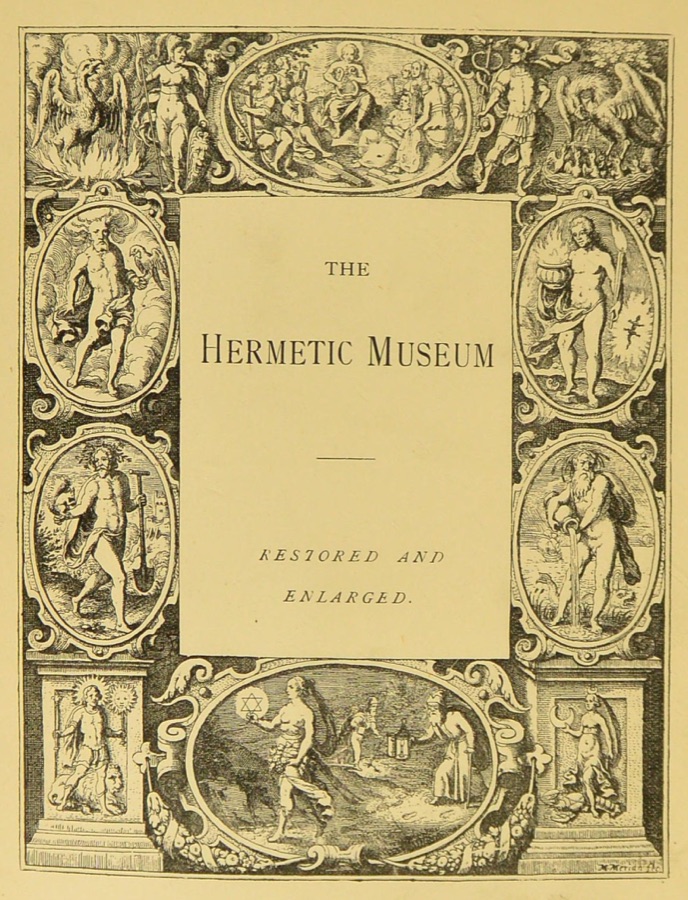
Altın Risale, Filozof Taşı'nın maddesini kendi başına ispatlamaya çalışmaz; bunun yerine Hermes'ten Geber'e, Morienus'tan Avicenna'ya kadar kadim otoritelerin sözlerini birbiri ardına dizerek onların mutabakatını delil sayar. Adını gizleyen müellif, önce Taş'ın maddesinin tek bir şey olduğunu ortaya koyar, sonra da onun nerede aranmaması gerektiğini — hayvanlarda, bitkilerde, tuzlarda, antimonda, zaçta, bayağı kükürt ve cıvada — sıra sıra eler. Böylece metin, bir tarif kitabından çok bir tanıklıklar mahkemesine benzer. Aşağıda risalenin tamamı yer alıyor.
MÜELLİFİN SANATSEVER OKURA ÖNSÖZÜ
Ey değerli okur ve tabiatın sırlarının hakiki müstefsiri, bu dünyanın ihtiyarlık çağında — bir ayağı çoktan mezara girmiş göründüğü şu vakitte — bu risaleyi yazmaya karar vermiş olmama şaşma; her ne kadar bilcümle kütüphaneler bu mevzudaki kitaplarla dolup taşsa da, ki bunların büyük kısmı yalandır ve felsefenin yalnızca allığını ve pudrasını taşır. Onu kendi zevkim için değil, senin faydan için yazdım; hakikatin temeline işaret ederek seni o yolsuz çölden doğru yola geri getirebileyim diye — ki bu elbette senin kendi menfaatinedir. Bana gelince, bu mevzuda bilmeyi dilediğim her şeyi çoktandır biliyorum ve çok kitaba ihtiyacım yoktur; zira son yirmi iki yıl boyunca elime geçen bütün eserleri okudum ve tekrar tekrar okudum — sayısız yazma nüshayı ve pek çok basılı cildi.
Bu risalemde mevzuun serimlenmiş ve hakiki çözümün verilmiş olduğunu bulacaksın; yalnızca nazarî olarak değil, amelî ve alegorik cihetten de, hem de daha evvelki hiçbir felsefî incelemede — kanaatimce — eşi görülmemiş bir açıklık ve berraklıkla. Alıntı yaparken her defasında tam künyeyi vermeye itina gösterdim; ki pasajı kendin arayıp bulasın ve üzerinde gayretle düşünerek idrakini bileyesin. Bu incelemeyi yazmak ve kendimi Altın Haç Kardeşleri'ne tanıtmak, o künyeleri çıkarmış olsaydım benim için çok daha kolay olurdu; lâkin senin hatırına aksine karar verdim. Adımı gizlememe ve yüz yüze karşına çıkmayı reddetmeme şaşma. Ben ne bir üç günlük şöhret uğruna ne de dünyevî övgü için öne çıktım; sana iyilik etmek için çıktım. Hem hocalarım, o hakiki filozoflar, dünyanın itibarında yüksek bir mevki elde etmek uğruna hayatımı böyle tehlikeye atmamamı, kendimi açgözlü haydutlara maruz bırakmamamı ve bu derin sırrı ayağa düşürerek nice cinayete vesile olmamamı öğütlediler.
Nazik okur hiç şüphesiz Sendivogius'un eserlerinden öğrenmiştir ki, o kendini ne zaman kudretlilere açıkça gösterdiyse, mütemadiyen can korkusuyla yaşamıştır. Tecrübe öğretir ki kendi güvenliğini hiçe sayan nice filozof, açgözlü ve kudretli haydutlarca öldürülmüş ve tentüründen edilmiştir; elinde büyük bir hazineyle dolaşan kimsenin eşkıyaya yem olacağı da akıl icabıdır. Sendivogius adını bir anagramla gizledi. Nitekim kısa zaman evvel bir başka filozof ve Altın Haç Kardeşi — hakiki adı bana çoktandır malûmdur — adını yine bir anagramın altına sakladı ve kendini dostlarına muammalı bir unvanla tanıttı. Öyleyse ben niçin kendimi bu murdar dünyanın insafına bırakayım? İzin ver de sevgili dostum, hakîmlerin izinden gideyim ve gerisini üç kere iyi ve ulu olan Tanrı'ya bırakayım; O, kendi adının şanı için ve senin ve benim hayrım için uygun olursa, hakiki benliğimi sana vakti gelince bildirecektir.
Adımı sormaya hevesli olma. Zira onu öğrensen, hatta benimle şahsen tanışsan bile, bu risalenin muhtevasıyla yetinmek zorunda kalırdın. Çünkü iki filozofa — Trevisanlı Kont Bernard'a ve Neigens'e — bu kitapta açığa vurulmuş olandan fazlasını kimseye ele vermeyeceğime dair ağır bir söz verdim. Bu paha biçilmez hazineye gerçekten sahip olup olmadığımı sormaya da can atma. Bunun yerine sor: dünyanın nasıl yaratıldığını gördüm mü; Mısır karanlığının tabiatını bilir miyim; gökkuşağının sebebi nedir; umumî dirilişte yüceltilmiş bedenlerin görünüşü nasıl olacaktır; en silinmez renk hangisidir. Bu küçük kitabı doğru anlayan senden ise şunu soracağım: o büyük tuzlu denizin, hiçbir aşındırma olmaksızın, bütün tabiatın rutubetinden yeterli bir miktarı en yüksek dağların doruklarına çıkardığını gördün mü? Söyle bana, kükürtten kükürt, cıvadan cıva nerededir — yahut kükürt cıvadan, cıva da yeniden kükürtten nerede fışkırır? En ateşli aşkın timsali, birbirine öyle sıkı sarılan erkek ile dişi ki artık ayrılamazlar da araştırılamaz bir sevgiyle bir olurlar — bu, gözlerinin önüne ne zaman kondu? Neye telmihte bulunduğumu anlıyorsan, deneyi kendi ellerinle yaptıysan ve kendi gözlerinle gördüysen, seni sırdaşım olarak selamlarım; senin dostane sohbetinden daha aziz bir dileğim de yoktur — bu küçük risaleyi dünyaya salmamın bir sebebi de budur.
Sanatımızın güçlüğünden şikâyet eden olursa bilsin ki o kendinde son derece basittir ve Tanrı'yı sevenlerle O'nun bu bilgiye lâyık gördüklerinin önüne hiçbir engel çıkaramaz. Bu Sanat'ın hakikatlerini fazla apaçık ve berrak serimlediğim, böylece herkesin ona vâkıf olmasını mümkün kıldığım için beni ayıplayan olursa, cevabım şudur: onları elbette lâyık olanlar ve Tanrı tarafından öncesizce takdir edilmiş bulunanlar için kâfi bir aydınlıkla açıkladım; lâkin lâyık olmayanlar onlardan hiçbir fayda devşiremez. Kimi ahmak ve sığ kişilere bu Sanat'ı defalarca en yalın surette, hatta kelimesi kelimesine anlattım; onlarsa yalnızca küçümsediler ve bizim işimizde ölülerin iki katlı bir dirilişinin sergilendiğine inanmadılar. Sanatımız, nazariyesiyle olduğu kadar ameliyle de, baştan sona Tanrı'nın bir armağanıdır: O onu dilediği zaman ve dilediği kimseye verir; bu ne dileyenin ne de koşanın işidir, yalnızca Tanrı'nın merhametiyledir.
Her ne kadar bu Sanat'ı on yedi on sekiz yıl gayretle tahsil etmiş olsam da, nihayetinde Tanrı'nın kendi vaktini beklemek ve onu karşılıksız bir armağan olarak kabul etmek zorunda kaldım. Kimsenin bu Sanat'ın hakikatinden yahut kesinliğinden şüphe etmesine mahal yoktur. O, güneşin öğle vaktinde parlaması ve ayın geceleyin yumuşak ihtişamını göstermesi kadar doğru ve kesindir, Tanrı tarafından tabiatta o kadar sağlam takdir edilmiştir. Lâkin bu önsözü bitirmeli ve risalenin kendisini yazmak üzere kuşanmalıyım. Ey Tanrı'nın bu en kıymetli armağanından gizlice nasıl hoşnut olunacağını ve nasıl kullanılacağını öğrenmek üzere olan sevgili Altın Haç Kardeşleri, siz de bana meçhul kalmayın; beni tanımıyorsanız emin olun ki sadıklar imtihandan geçirilecek ve imanları Haç vasıtasıyla bilinir olacak, emniyet ile huzur da onu gölgeleyecektir. Tanrı bizimle olsun, Âmin!
FİLOZOFLARIN TAŞI ÜZERİNE ALTIN RİSALE
Ey pek sevgili okur ve hakiki hikmetin sadık talibi, gerek kadim gerek yeni filozoflar, Tanrı'nın lütfuyla arzularının gayesine eriştiklerinde, keşiflerini dünyanın dört bir yanındaki hemhâl müstefsirlere bildirmeye çalışmışlardır — yalnızca üç kere ulu ve iyi olan Tanrı'nın zihinlerini aydınlattığını, ellerinin emeğini bereketlendirdiğini ve onlara yeryüzü hikmetinin en büyük, en derin sırrını gösterdiğini haber vermek istedikleri için değil (ki bu lütuf için bilcümle hamd, şeref ve şan hakkıyla O'na aittir), aynı zamanda Sanat'a yeni başlayanlara yardım eli uzatabilmek için; ta ki onlar da Tanrı'nın izniyle bu en mukaddes sırrın bilgisine erişebilsinler. Böyle kimseler her ülkede bulunmuştur. Mısırlılar arasında en yüksek mevki Hermes Trismegistos'undur; sonra Kildanîler, Yunanlılar, Araplar, İtalyanlar, Galyalılar, İngilizler, Hollandalılar, İspanyollar, Almanlar, Polonyalılar, Macarlar, İbranîler ve daha niceleri gelir.
Zikredilen Hakîmler ayrı zamanlarda ve ayrı dillerde yazmış olsalar da, eserleri öyle şaşılası bir mutabakat sergiler ki, hakiki her filozof kolayca görebilir: hepsinin kalbi bu taşın keşfiyle Tanrı tarafından şâd edilmiştir ve hepsi bu işi kendi elleriyle yapmıştır. İmdi, görüşlerinin doğruluğu nasıl aralarındaki mutabakattan anlaşılıyorsa, kimi başkalarının ihtilafı da onları sahte filozoflar diye işaretler. Zira bu şanlı Sanat'ın temelini bilmedikleri ve kendi kafalarından hayalî nazariyeler uydurdukları için, cehaletlerini herkesin gözü önüne sererler. (Risalenin bütün yöntemi bu paragrafta ilan edilir: hakikatin ölçütü tanıkların birbiriyle uyuşmasıdır. Metin bu yüzden baştan sona bir «tanıklıklar zinciri» — teknik adıyla bir florilegium — olarak kurulmuştur; alıntıyı alıntıya eklemek, ortaçağ ve erken modern simya edebiyatının temel kanıtlama yöntemiydi.)
Sözü edilen mutabakat Madde'ye, onun çözülmesine, tartısına ve ateşin ayarlanıp artırılmasına dairdir.
Madde'ye gelince: o birdir ve gereken her şeyi kendi içinde barındırır. Sanatkâr ondan dilediği ne ise onu hazırlar. Onun «doğumu kumdadır», nitekim filozof Anastratus Filozoflar Meclisi'nde şöyle der: «Denizin kızıl kumundan daha kıymetli hiçbir şey yoktur; o, Ay'ın imbikten çekilmiş rutubetinin Güneş'in ışığına katılıp pıhtılaşmasıdır.» Yalnızca bu tek maddenin gerektiğine aynı kitapta Agadmon tanıklık eder. Şöyle der: «Bilin ki benim bedenimi [kükürt] ruhsuz [cıvasız] almadıkça dilediğinizi elde edemezsiniz. Çok şey düşünmekten vazgeçin. Tabiat tek bir şeyle yetinir ve onu bilmeyen kaybolmuştur.» (Alıntılanan Filozoflar Meclisi, İngilizcede «The Crowd» diye anılan Turba Philosophorum'dur: X. yüzyıla uzanan, Arapçadan Latinceye geçmiş, hayalî bir filozoflar kurultayında herkesin sırayla söz aldığı bir simya klasiğidir. Anastratus, Agadmon, Zimon gibi adlar bu kurgusal meclisin üyeleridir.)
Aynı şekilde Villanovalı Arnaldus Flos Florum'da yazar: «Bizim taşımız tek bir şeyden ve tek bir şeyle yapılır.» Napoli Kralı'na da aynı manada şöyle der: «Bizim taşımızda ne varsa ona zatîdir; hiçbir yabancı katkıya da ihtiyacı yoktur. Tabiatı birdir ve o tek bir şeydir.» Rosinus ise şöyle der: «Bil ki arzunun nesnesi tek bir şeydir, ki her şey ondan yapılmıştır.» Lilium: «Yalnızca tek bir şeye ihtiyacın var; o da deneyimizin herhangi bir aşamasında bir başka tabiata dönüşebilir.» Geber de Summa'sında şöyle der: «Bizim taşımız birdir, tek bir ilaçtır; ona bir şey eklemeyiz, ondan bir şey eksiltmeyiz, yalnızca fazlalık olanı gideririz.» (Burada ve metnin tamamında adı geçen «Geber», tarihsel Câbir bin Hayyân değil, XIII. yüzyılda Latince yazan ve onun adını kullanan meçhul bir müellifi — bugün Pseudo-Geber denen kişiyi — işaret eder; Summa Perfectionis ona aittir.)
Yine Scites Filozoflar Meclisi'nde der ki: «Bu Sanat'ın özü de aynı şekilde muayyen tek bir şeydir; bütün öteki şeylerden daha güçlü ve daha yücedir ve en kudretli asit diye anılır, zira altını berrak bir ruha çevirir; onsuz ne beyazlık, ne siyahlık, ne de kızıllık vardır. Ruh bedene katıldığında onunla bir olur; sonra yine ruh olur ve ruhanî, değişmez tentürle doyurulur; böylece birleşme yoluyla yeniden, yok edilemeyecek bedenî bir tentür alır. Bedeni asitsiz olarak ateşin üstüne koyarsan, yanar ve mahvolur.» Scites'in bu sözlerinden okur, bir değil iki şeyin — yani bir beden ile onun asit dediği şeyin — gerektiği, kurunun ateşte tükenmemesi ve nemli olan sayesinde yanmaktan korunması için bir sıvının bir kuruya katılması gerektiği sonucunu çıkarabilir. Doğru anlaşıldığı takdirde böyle bir sonuca seve seve katılırım.
Lâkin yukarıda anılan felsefî sözlerden (ne kadar kapalı ifade edilmiş olurlarsa olsunlar) gün gibi aşikârdır ki Mübarek Taşımızın cevheri birdir (gerçi ayrı hakîmler ona ayrı adlar verir) ve Tabiat, dünyadaki başka hiçbir şeyi değil yalnızca bu tek şeyi Taş'ın maddesi olarak dilediğinden, onu ehil kişinin eline hazır kılmıştır. Bu Madde herkesin gözü önünde durur; herkes onu görür, ona dokunur, onu sever, lâkin onu bilmez. O şanlı ve bayağı, kıymetli ve değersizdir, her yerde bulunur. Theophrastus Paracelsus, Tabiî Şeylerin Tentürü adlı kitabında ona Kızıl Aslan der; adını çok kişi anar, kendisini az kişi bilir. Hermes, Risalesi'nin ilk bölümünde ona «en iç odalarında pıhtılaşmış cıva» der. Filozofların Gül Bahçesi'nde ise Tuz adıyla geçer. Lâkin kısaca söylemek gerekirse, bizim Maddemizin dünyadaki şeyler kadar çok adı vardır; ahmakların onu bilmemesinin sebebi de budur.
Ahmak dediklerim, Tabiat ve onun hassaları hakkında hiçbir önbilgisi olmaksızın bu Sanat'ı öğrenmeye kalkışan ve ona (Arnaldus'un dediği gibi) eşeğin yemliğe geldiği gibi, ağızlarını ne için açtıklarını bilmeden gelen kimselerdir. Bu yüzden Geber Summa Perfectionis'te güzel söylemiştir: «Tabiat hakkında temel bir bilgisi olmayan, bu Sanat'ı gereğince takdir etmekten çok uzaktır.» Rosarius da der ki: «Tabiat'ın ilkesini ve düzenini bilmedikçe kimseye bu Sanat'a yaklaşmasını salık vermem; bunları biliyorsa, tek bir şey dışında ona eksik olan pek azdır ve kendini büyük bir masrafa sokmasına da gerek yoktur, zira taş birdir, ilaç birdir, kap birdir, kaide birdir, tertip birdir.»
Yine de bu tek cevher, Tabiat'ın işleyişiyle ve Sanatkâr'ın maharetiyle öyle bölünür ki bizim Ak Kartal'ımıza dönüşür; ne de güneşin ihtişamı spagirik maddeyi ışınlarıyla daha bol aydınlatır; yahut Basilius Valentinus'un dediği gibi, «oradan kar gibi ak bir ruh ile kan gibi kızıl bir başka ruh doğar; bu iki ruh da üçüncü, gizli bir şeyde barınır.» Bu yüzden Kral Aros güzel söyler: «Bizim ilacımız tek bir öze sahip iki şeyden bileşir; yani bir katı ile bir sıvının, bir ruhanî ile bir bedenînin, bir soğuk ile bir nemlinin, bir sıcak ile bir kurunun merkürî birleşmesinden; başka hiçbir yolla da yapılamaz.» İngiliz Richard ise der ki: «Taş birdir, ilaç birdir; ne var ki filozoflara göre ona Rebis (İki-şey) denir, zira iki şeyden, yani bir beden ile bir ruhtan [kızıl yahut ak] bileşir. Lâkin nice ahmak bu hususta yolunu şaşırmış, onu türlü türlü izah etmiştir.»
Rebis iki şeydir ve bu iki şey tek bir şeydir; yani bedene katılmış sudur, ki onunla beden bir ruha, ilkin kendisinden yapılmış olduğu madenî suya çözülür; bu beden ile ruh tek bir madenî suyu meydana getirir ki ona İksir, yani maya denir; zira o vakit su ile ruh tek şeydir ve ondan bütün bedenleri arıtacak bir tentür ve ilaç bileşir. Böylece filozoflara göre bizde yerin üstünde kükürt ile cıvanın tabiatı bulunur, yerin altında ise bunlar altın ve gümüş olurlar. Trevisan ve March Kontu Bernard der ki: «Bizim işimiz tek bir kök ve madenden çekilip çıkarılmış, saf ve berrak iki ham merkürî cevher vasıtasıyla görülür; bunlar bu maddenin gerektirdiği üzere dostluğun sıcaklığıyla birleştirilir ve iki şey tek şey oluncaya dek itinayla pişirilir» vesaire.
Basilius Valentinus (Lib. Nat. et Supernat., bl. 4) der ki: «Bunu sana Tanrı sevgisi uğruna tam bir doğrulukla bildireceğim: göksel bir ruh olan felsefî kükürtün kökü, aynı madde içinde ruhanî ve tabiatüstü cıvanın kökü ve ruhanî tuzun ilkesiyle birleşmiştir — Taş bunlardan yapılır, birkaç ayrı şeyden değil. O tümel şey, yeryüzü hikmetinin en büyük hazinesi, tek bir şeydir; üç şeyin ilkeleri de bir tek şeyde bulunur, ki bütün madenleri tek bir madene çevirme kudreti ondadır. Bu üç şey cıvanın hakiki ruhu ile kükürtün canıdır; bunlar ruhanî tuza katılmış ve tek bir bedende yerleşmişlerdir; onlar ejderha ile kartal, kral ile aslan, ruh ile bedendir» vesaire. (Simyada «Kükürt», «Merkür» ve «Tuz» kimyasal element adları değil ilke adlarıdır: Kükürt yakıcı-etkin-biçimlendirici olanı, Merkür akışkan-uçucu-alıcı olanı, Tuz ise bunları bir arada tutan bedenî sabitliği temsil eder. Bu yüzden metin, eczacı dükkânından alınan kükürdü hiçbir surette bunlarla karıştırmamamızı ısrarla söyler.)
Bu suretle hazırladığımız madde erkek ve dişi, etkin ve edilgen diye de anılır. Nitekim Zimon Filozoflar Meclisi'nde der ki: «Bil ki işin sırrı erkek ile dişide, yani etkin ve edilgen bir ilkede yatar. Kurşunda erkek, zırnıkta dişi bulunur. Dişi kendisine getirildiğinde erkek sevinir; dişi de erkekten boyayıcı bir tohum alır ve onunla renklenir.» Diomedes ise der ki: «'Kızıl hizmetkâr'ın erkek çocuğunu güzel kokulu geline kat; Sanatımızın nesnesini meydana getireceklerdir. Lâkin araya hiçbir yabancı madde sokmamalısın; ne toz, ne başka bir şey. O vakit döllenme kusursuz olacak ve hakiki bir oğul doğacaktır. Ah, 'kızıl hizmetkâr'ın tabiatı ne kıymetlidir; onsuz hiçbir şey başarılamaz!»
Başkaları ona cıva yahut merkür, ve kükürt yahut ateş der; nitekim Roger Bacon Ayna'sının üçüncü bölümünde şöyle der: «Bütün madenler kükürt ile cıvadandır; onlara başka hiçbir şey yapışmaz, katılmaz yahut onları dönüştürmez, meğer ki kendilerinden ola. Şu hâlde cıva ile kükürdü taşın maddesi olarak kabul etmeliyiz.» Menabadus da der ki: «Cıvayı magnezyanın bedenine, kadını da erkeğe katan kimse, bedenlerin kendisiyle renklendiği gizli özü çıkarır.» Lullus Codicillus'unda der ki: «Bizim cıvamızın hassası kendi kükürdüyle pıhtılaşmaktır.» Vasiyet'inin ameliye kısmında ise: «Gümüş akıcı bir rutubettir; üstte yüzer ve bütünü yanmaktan korur.»
Başkaları beden, ruh ve can adlarını kullanır. Nitekim Arnaldus Flos Florum'da der ki: «Hakîmler bizim Taşımızın bedenden, candan ve ruhtan bileştiğini söylemişlerdir ve doğru söylemişlerdir. Zira nakıs kısmı bir bedene benzetmişlerdir, çünkü o zayıftır. Suya ruh demişlerdir ve doğru demişlerdir, çünkü o ruhtur. Mayaya can demişlerdir, çünkü o, evvelce ölü olan nakıs bedene hayat verir ve suretini daha güzel kılar.» Yine der ki: «Bir ruh, bir canın aracılığı olmadan asla bir bedene katılmaz. Zira can, beden ile ruh arasındaki vasıtadır; onları birbirine bağlar.» Morienus der ki: «Can çabucak kendi bedenine girer — lâkin onu yabancı bir bedene katmaya kalkışırsan beyhude yorulursun.» Lilium de der ki: «Beden, can ve ruh tek bir şey meydana getirir; o her şeyi kendinde taşır ve ona bir şey eklenmez.»
Lâkin Maddemizin anıldığı bütün adları niçin sayıp izah edelim? Yukarıdakilerle yetineceğiz, zira bunlar en yaygın ve maksadımıza en uygun olanlardır. İzleyen sayfalarda, cevherimizin nerede gizlendiğini ve nereden elde edilebileceğini bulmaya çalıştıktan sonra, onun çözülme tarzı hakkında birkaç söz söyleyeceğiz; ki araştırmamızın asıl nesnesi de nihayetinde odur. İmdi, Maddemizin aranmasına gelince, hatırlamalıyız ki başlangıçta, Kendisinden başka hiçbir şey yokken, hikmeti sonsuz olan Tanrı iki sınıf şey yarattı: gökte olanlar ve göğün altında olanlar. Göksel şeyler (ki burada onlardan uzun uzadıya söz etmemize gerek yok) göklerin kendileri ve gökte oturanlardır. Göklerin altındaki şeyler ise dört unsurdan yaratılmıştır ve alışıldığı üzere üç sınıfa ayrılır. Yaşayan ve duyanlar ilk sırayı tutar ve onlara hayvan denir. İkinci sınıf topraktan biten lâkin duymayan bitkilerdir. Üçüncü sınıf, madenlerin sınıfı, kaynağını yeraltından alır.
Bu üç sınıf, ayın altında unsurlardan yaratılmış olan her şeyi kapsar. Onlar asla çoğalamaz yahut azalamaz; Tanrı her şeyi kendi cinsine ve türüne bağlamıştır, öyle ki bir cinsten öbürüne geçemez. Biri bir taştan insan yahut ağaç, bir bitkiden maymun yahut kurşun, kurşundan hayvan yahut bitki yapmaya kalkışsa, Büyük Kral'ın ezelî nizamı buna mâni olurdu. Böyle bir şey mümkün olsaydı, bütün tabiî nesne sınıfları tek bir sınıfa dönüştürülebilirdi. Lâkin böyle bir değişim dünyanın sonunu getireceğinden, Kâinatın Hükümdarı buna izin vermez. Dahası, O yalnızca her şeyi kendi türüyle sınırlamakla kalmamış, yarattığı her şeye kendi tohumunu da vermiştir; ki onunla kendi tarzınca çoğalsın — daima kendi sınıfında kalarak ve başka bir türün sınırlarını aşmayarak.
Biri bir insanı ata, bir elmayı marula, bir elması yahut başka bir mücevheri altına çevirmek istese, muazzam bir yanılgıya düşerdi. Zira böyle bir teşebbüs, ay altı şeylerin tabiatına aykırıdır. Başlangıçta nasılsa sonda da öyle olacaktır; Yüce Kudret, başlangıçta «olsun» demişken, «yok olsun» diyeceği vakit. Lâkin ortak bir cevheri, tohumu ve unsurî bileşimi olan şeyler arasında, maddelerinin arıtılması yoluyla bir iyileştirme ve ıslah gerçekleştirmek zor değildir. Nitekim berrak ve ince zihinli bir adamın, daha az istidatlı olanlardan daha yüksek bir insanî mükemmellik derecesine erdiğini görebiliriz. Bu fark, onun ruhanî cevherinin üstün saflığından ve inceliğinden doğar; bu da kökenini ıslah edilmiş ve iyi kurulmuş bir bedende bulur. Aynı şekilde bir atın kuvvette ve süratte bir başkasını geçtiğini görürüz; bilcümle canlı varlıklarda da hâl böyledir.
Benzer bir kaide bitkiler ve ağaçlar hususunda daha da güçlü geçerlidir — ağaçlarda, bahçıvanların iyi bildiği aşılama, yerini değiştirme ve benzeri usullerle; öteki nebatî tabiatlara gelince, aynı cinsten bitki ve çiçeklerin şanda, güzellikte, kokuda ve tatta birbirinden nasıl ayrıldığını günlük tecrübe bize öğretir. Karanfiller ile lâleler bunun çarpıcı bir misalidir. Bu çiçekler kaç ayrı türe ayrılmıştır; hem bu yeni türler de günden güne daha güzel kılınmaktadır ve daha evvel hiç bu kadar zarif ve hoş kokulu çiçek görülmediği herkesçe kabul edilmektedir. Ortak bir cevheri — yani kükürtün kudretiyle hazmedilip pekiştirilmiş cıvayı — paylaşan madenler için ne diyeyim? Bu ortak cevher hakkında İngiliz Richard şu sözleri söyler: «Tabiat, eriyebilen bilcümle şeyi cıvadan ve onun kükürdünün cevherinden tabiî bir işleyişle imal etmiştir; zira cıvanın hassası, yanmayan ak ve kızıl kükürtün sıcaklığında olduğu gibi, buharla pekişmektir.»
Aynı görüşü Arnaldus da dile getirir (I. kısım, ii. bölüm): «Cıva, eriyebilen bütün şeylerin unsurî suretidir; zira eriyebilen her şey eritildiğinde ona dönüşür ve o da onlarla karışır, çünkü onlarla aynı cevherdendir. Böyle bedenler cıvadan yalnızca bileşimlerinde, o da cıvanın murdar kükürtün yabancı maddesinden ne kadar arınmış olup olmadığı ölçüsünde ayrılır.» Benzer şekilde Rosinus (Ad Saratantam) der ki: «Bütün madenlerin cevheri, yerin kalbinde katılaşmış ve nakıs cıvadır; zira kükürtün hayat verici sıcaklığıyla (kükürtün türlü çeşitlerine göre) yerde ayrı ayrı madenler doğar; asıl cevherleri bir ve aynıdır ve yalnızca daha büyük yahut daha küçük bir dış tesirle değişikliğe uğrar.» Böylece Tabiat'ın onları öldürmeye ve kemale erdirmeye ne kadar gayretle uğraştığını her gün görürüz.
İmdi madenlerin kemali ve Tabiat'ın onlar hakkındaki nihaî muradı altındır. Zira bütün madenler, Tabiat'ın nihaî kemale doğru onlar için bir şeyler yapmış olduğunu gösterir; hiçbir maden, tek bir zerre altın yahut gümüş barındırmayacak kadar bayağı değildir. Tabiat, kendi kükürdünü içinde taşıyan cıvayı, kimi zaman dışarıdan bir engelle — yani murdar, kokuşmuş ve yanıcı kükürtle — alıkonmasa, daima altına çevirirdi. Çoğu hâlde altın saf, berrak, cüruftan arınmış ve başka madenlerle karışmamış olarak çıkarılır. Lâkin çoğu kez cıvaya büyük miktarda yabancı kükürt karışır ve böylece onun kusursuz gelişmesini engeller; o kükürdün çeşidine göre de ayrı ayrı maden cinsleri doğar; nitekim Aristoteles der ki (Meteorologica, 4): «Cıva iyi bir cevherden olur da kükürt murdar ve yanıcı olursa, cıvayı pirince çevirir. Cıva taşlı, murdar ve topraksı, kükürt de saf olmazsa, demir olur. Kalayın cıvası iyi ve saf görünür; lâkin kükürdü kötüdür ve iyi karışmamıştır. Kurşunun cıvası kaba, kötü ve pis kokuludur, bu yüzden de gereğince pıhtılaşmamıştır.»
O geciktirici, yanıcı ve kokuşmuş kükürt, madenleri biçimlendiren hakiki ateş değildir; lâkin cıvanın kendi içinde kendi kükürdü vardır, ki onu biçimlendirmeye kâfidir; nitekim Trevisanlı Kont Bernard der ki: «Kimileri madenlerin doğuşunda dışarıdan kükürtlü bir cevherin katıldığına inanır; oysa bilakis aşikârdır ki Tabiat'ın işleyişinde kükürt çoktan cıvanın içine kapatılmıştır. Ne var ki onda hiçbir kudreti yoktur, meğer ki hareket ettirici sıcaklık vasıtasıyla ola; o sıcaklıkla söz konusu kükürt ve onunla birlikte cıvanın iki başka niteliği değişir. İşte böylece Tabiat, bu kükürt vasıtasıyla, derecelerin ve değişimlerin çeşitliliğine göre yerin damarlarında ayrı ayrı maden cinsleri doğurur.» Zira Arnaldus'a göre (I. kısım, iii. bölüm), madenlerde «iki katlı bir fazlalık vardır: biri cıvanın en iç tabiatına kapatılmıştır ve oraya madenin ilk karışımında girmiştir; öteki onun özüne ait değildir, ona dışsaldır ve bozulabilirdir. İlkini gidermek çetin bir iştir; ikincisi hiç zorlanmadan giderilebilir. Yanıcı kükürt ateşin tesirine maruz bırakılarak alınır yahut yabancı bedenlerle yok edilir; lâkin cıvanın içindeki öteki, cıva tarafından yanmaktan korunur.»
Ne var ki cıvayı biçimlendiren ve onu kemale doğru olgunlaştıran o içteki kükürt ya saftır ya murdar, ya yanıcıdır ya yanmaz. Murdar kükürt cıvanın hazmını engeller; cıva da kendisine ait olmayan tamamen ondan ayrılmadıkça altına dönüşemez; lâkin saf, yanmaz, sabit kükürt onunla kalır ve nihayet cıva — kükürt ak yahut kızıl oluşuna göre — ya altına ya gümüşe geçer. Bu içteki kükürt olgunlaşmış merkürden ve cıvanın en ilerlemiş kısmından başka bir şey değildir; cıvanın onu böylesine sıcak karşılamasının sebebi de budur, zira o kendi özündendir; kendine yabancı olan ötekini ise reddeder. Nitekim İngiliz Richard dokuzuncu bölümünde der ki: «Kükürt ne kadar yalın olursa, yalın ve saf merkürle o kadar kolay birleşir; ne kadar sıkı birleşirlerse, meydana gelen maden o kadar kıymetli olur.»
«Lâkin böyle bir kükürt» der Avicenna, «yeryüzünde bulunmaz; ancak güneşin ve ayın tesiriyle madenî bedenlerde bulunduğu ölçüde vardır. Güneşte kusursuz bir hâlde bulunur, zira orada daha iyi hazmedilmiş ve pişirilmiştir.» Richard'a göre ise, on ikinci bölümünde, filozofların kızıl kükürdü daha büyük hazmı sebebiyle güneşte, ak kükürdü de daha eksik hazmı sebebiyle ayda bulunur. (İbn Sînâ'ya — Latin dünyasında Avicenna'ya — atfedilen simya metinlerinin büyük kısmı aslında ona ait değildir; kendisi De congelatione et conglutinatione lapidum'da madenlerin dönüştürülebileceği fikrini açıkça reddetmişti. Ne var ki adı, Latin simyacılar için bir otorite mührü hâline gelmiş ve pek çok anonim risalenin başına konmuştur.)
Şu hâlde madenlerin cevheri bir ve hepsine ortak olduğuna, ve bu cevher (ya bir anda, ya da bayağı madenlerin yabancı ve kötü kükürdünü tedricî bir hazımla zamanla bırakarak) kendi içinde barınan kükürdün fazileti sayesinde bütün madenlerin gayesi ve Tabiat'ın hakiki muradı olan ALTIN'a çevrildiğine göre — kabul etmek ve seve seve itiraf etmek zorundayız ki madenler âleminde de, tıpkı bitkiler ve hayvanlar âleminde olduğu gibi, Tabiat tedricî bir kemale erişmeyi, saflığın ve mükemmelliğin en yüksek ölçüsüne tedricen yaklaşmayı arar ve talep eder.
Ey Tabiat'ın dost müstefsiri, mevzuu daha ayrıntılı tartışmanın en iyisi olacağını düşündüm; ki Taşımızın cevherini daha kolay tanıyıp kullanabilesin. Zira Taşımızı hayvanî bir cevherden üretmeye kalkışsaydın başarısız olurdun, çünkü bu iki şey ayrı tabiî mertebelere aittir. Zira Taş bir madendir, oysa sen onu hayvanî bir cevherden biçimlendirmeye çalışıyor olurdun. «Lâkin» der bizim Richard ilk bölümünde, «bir şeyde bulunmayan bir şey ondan çıkarılamaz. Şu hâlde her tür, her cins, her tabiî mertebe tabiî olarak kendi sınırları içinde gelişir, kendi cinsine göre meyve verir; özce farklı bir başka mertebenin içinde değil: tohumun ekildiği her şey kendi tohumuna karşılık gelmelidir.» Basilius Valentinus da der ki: «Düşün ve bil, dostum, bu maksadın için hayvanî bir can seçmemelisin. Zira et ve kan Yaratıcı tarafından hayvanlara verilmiştir, hayvanlara mahsustur ve onlardan hayvanlar biçimlenip meydana gelir.»
Bu sebeple, büyük ehiller sayılmak isteyip de taşın cevherini kadın kanında, meninde, yumurtada, kılda, sidikte ve benzeri şeylerde arayanlara; nice cildi boş ve beş para etmez reçeteleriyle doldurmaktan, cahilleri böyle ahmakça, faydasız ve beyhude kuruntularla aldatmaktan utanmayanlara şaşarım. Roger, Ayna'sında (iii. bölüm) bu adamların ahmaklığına duyduğu hayreti şöyle haykırarak dile getirir: «Ne tuhaftır ki aklı başında bir kimse, aradığı şeyi, aramasının nesnesiyle hiçbir alâkası olmayan hayvan ve bitki âlemlerinde arasın; oysa maden âlemi elinin altında hazır durmaktadır. Bir filozofun sanatını böylesine uzak bir temel üzerine kurması inanılır gibi değildir — meğer ki alegori yoluyla ola.» «Zira bizim Taşımız» der Basilius, «yanıcı şeylerden yapılmaz. Doğrusu o Taş ve onun maddesi böyle her kahırdan emindir; şu hâlde onu hayvanlar âleminde aramaktan vazgeç, zira Tabiat'ın kendisi bile onu orada bulamazdı.»
Yine, onu bitkiler âleminde — söz gelimi ağaçlarda, otlarda, çiçeklerde — bulmayı uman kimse, bir hayvanı taşa çevirmeye kalkışan kadar yanılmıştır. Bitkiler ve ağaçlar, ürettikleri her şeyle birlikte, ateşte tükenebilir ve geriye yapıldıkları tozdan ve türlerinin ilk yaratılışında Tabiat'tan aldıkları tuzdan başka bir şey bırakmazlar. Kimse, Filozof Taşı'nı buğdaydan yahut şaraptan üretebileceğini iddia edenlerin kendinden emin sözleriyle aldanmasın. Bu kimseler Raymundus Lullus'un yazılarındaki muayyen bir pasajın manasını anladıklarını sanırlar; oysa derin hikmet taslayarak ahmaklıklarının derinliğini sergiler, böylece hem kendilerini hem başkalarını aldatırlar. Bu kaynaklardan hem hekime hem kimyacıya vazgeçilmez kimi mükemmel çözücülerin elde edildiğini inkâr etmiyorum; lâkin Filozof Taşı'nın onlardan hazırlanabileceğini yahut tohumunun onlardan çekilebileceğini kesinlikle inkâr ediyorum, zira Yaratıcı hiçbir şeyin başlangıçta tayin edildiği tabiî mertebenin sınırlarını aşmamasını buyurmuştur.
Bundan hikmetin her hakiki müridi anlayabilir ki Taş'ın cevheri ne hayvanlar ne de bitkiler âleminde elde edilebilir, zira ikisi de yanıcıdır. Şu hâlde onu yanmaz şeyler arasında, yani madenler âleminde aramalıyız; ancak oradan hazırlayabiliriz. İmdi, Hakîmlerin Taşı madenî olduğuna ve madenlerin türlü çeşitleri bulunduğuna göre — taşlar (kil ve toprağın türlü çeşitleri dahil), tuzlar, umumî madenler ve metaller — bunların hangisinde bulunduğunu da sormalıyız. Taşları hemen eleyebiliriz, zira onlarda eriyebilir cıva yoktur ve kendilerine yapışan büyük miktardaki yabancı kükürt ile topraksı cevher yüzünden ne eritilebilir, ne çözülebilir, ne de bileşenlerine ayrılabilirler.
Tabiat'ın sırlarını araştıran hakîm kimse, Mübarek Taş'ın cevherini tuzlarda, şaplarda yahut benzeri madenlerde bulmayı da ummayacaktır. Onlarda keskin, aşındırıcı, yıkıcı bir ruhla karşılaşır; lâkin filozofların anladığı manada merkür ile kükürdü orada beyhude arayacaktır. Magnezya, bizmut, antimon gibi umumî madenler ise hiçbir surette metal olamaz; öyleyse bütün metallerin ve madenlerin zatî kemali olan bu Taş'ın cevheri onlardan nasıl elde edilebilir? Üstelik onların metallerle ortak hiçbir yanı yoktur; bilakis onları yakar, aşındırır ve yok ederler: öyleyse onların ıslahına nasıl vesile olabilirler?
İngiliz Richard'ın bu hususta ne dediğini dinle (x. bölüm): «Küçük madenler metal olamaz. Evvelâ, metallerin unsurî cevheri olan cıvadan doğmamışlardır. Doğuşları metallerin doğuşundan surette, cevherde ve bileşimde ayrıldığına göre, asla metal olamazlar; zira aynı türe ait şeylerin unsurî cevheri aynıdır ve aynı tohumdan biterler. Oysa küçük madenler merkürden doğmaz; bunu Aristoteles'ten ve Avicenna'dan öğreniriz. Metal olacak olsalardı, metallerin unsurî cevherine dönüşmeleri gerekirdi. Böyle bir dönüşüm de kimyanın gücünü aştığına göre, asla metal olamazlar; yani asla Taş'ın cevheri olamazlar. İkinci olarak, küçük madenler metallerin unsurî cevheri olan merkür olamadıklarına göre, aynı gelişimin ortasına ve sonuna, yani metallere ve tentüre de asla erişemezler. Küçük madenlerin hassaları metallerinkine yabancı olduğundan, madenlerin kimi faziletlerine sahip olsalar da, bütün olarak daha az mükemmeldirler ve ateşten zarar görmeye açıktırlar. Bu yüzden metallerin tabiatı onlardan hoşlanmaz, bilakis onları iter; kendine uygun olanı ise kabul eder. Bu sebeple, dinleyenlerini aldatmak için bunca yabancı kuruntuyu ortaya sürenler ahmaktır; zira öne sürdükleri şeyler metallere hiç benzemez ve onların tabiatını ne alabilir ne verebilir.»
Talebe, alıntıladığımız filozofların tuzlar hakkında ara sıra kullandıkları dille kendini yanıltmaya bırakmamalıdır; söz gelimi Hakîmlerimizin mistik dilinde «Tuzsuz çalışan asla ölü bedenleri diriltemez» dendiğinde, yahut Soliloquia kitabında «Tuzsuz çalışan, kirişsiz yay gerer» okuduğunda. Zira bilmelisin ki bu sözler, bayağı madenden çok başka bir tuz cinsine işaret eder. Bunu Filozofların Gül Bahçesi'ndeki şu pasajdan görebilirsin: «Metallerin tuzu Filozof Taşı'dır; zira bizim Taşımız altında ve gümüşte pıhtılaşmış sudur; ateşe düşmandır ve kendi cinsine göre bileştiği suya çözülebilir.» Hakîmlerin «pıhtılaşmış su»sunun sıradan su manasına gelmediği de Geber'in şu sözlerinden anlaşılabilir (lib. forn., xix. bölüm): «Güneş'i ve Ay'ı, bayağı halkın merkür dediği kuru sularına çözmeye çalış.» (Simya dilinde «bizim» eki kasıtlı bir gizleme işaretidir: «bizim Su», «bizim merkür», «bizim tuz» hep aynı şeyi söyler — bahsedilen, aynı adı taşıyan sıradan madde değildir. Bu, sırrı ehil olmayandan saklamanın en yaygın usulüdür.)
Hakîmler kendi topraklarını da tuz adıyla anlatmışlardır — söz gelimi Borazanın Sesi'nde şöyle denir: «İmbiğin dibinde kalan bizim tuzumuzdur, yani bizim toprağımızdır.» Bilgelerin Alegorileri'nde ise biri şu sözlerle coşar: «İyi işaretle: bizim bedenlerimizden akıp çıkan o bedenler tuzlar ve şaplardır.» Kimi zaman ilacın kendisine «Tuz» derler; nitekim Terazi'deki şu pasajda: «İkinci suyun fazileti, toprağı kendi madenî tuzuna yüceltmek, âdeta kendi kuvvetiyle onu kendine benzetmektir.» Arnaldus da Gençliğin Korunması adlı eserinde (iii. kitap) der ki: «Bu hazırlanmış tuzun gençliği korumakta büyük fazileti vardır. Hakîmler onu sağlıklı gençliğin tabiî sıcaklığına benzetmişlerdir. Taş'ın kendisine hakîmler bazen bu benzerlik sebebiyle Hayvanî Taş, bazen Madenî Sır, bazen Ebedî Deva yahut Hayat Suyu demişlerdir. Bütün hazırlık, aynı hassalara sahip öteki şeyler gibi, en saf içme suyuna indirgenebilir.» Söylenenlerden apaçık görünür ki hem Hakîmlerin talimi hem de işin tabiatı, Taş'ın küçük madenlerden yapılabileceğini varsaymamızı yasaklar.
Şimdi daha itinayla soralım: Taşımızın maddesi acaba ara madenlerden — bizmut, antimon, magnezya ve benzerlerinden — elde edilebilir mi? Bunlar Hakîmler tarafından bu bağlamda hakikaten sık sık anılır. Nitekim Senior bir yerde der ki: «Sarı zırnığın merkürü pıhtılaştırma kudreti yoksa, bizim Üstat İşimiz asla gayesine erişemez.» Aquinolu Thomas bize «bizim antimonumuzu yahut kara toprağımızı» almamızı salık verir; Parmenides ise Filozoflar Meclisi'nde der ki: «Cıvayı al ve onu magnezyanın bedeninde yahut bozulabilir kükürtte pıhtılaştır.» Lâkin bütün bu pasajlarda bu terimler mecazen kullanılır; Büyük Taş'ın böyle cevherlerden yapılabileceği kastedilmez.
Hakîmlerin zırnığı ve magnezyası bayağı madenler değil, başka pasajlarda Fail, Aslan, Kral, Kükürt ve daha nice adla anılan cevherdir. Ona zırnık derler, çünkü altına daha derin ve daha parlak bir renk verir; magnezya derler, çünkü ondan kazanılan şey mükemmel ve büyüktür; Aquinolu Thomas ile birlikte antimon derler, çünkü çözüldükten sonra aldığı siyahlık pırıl pırıldır. Nitekim Taş abanoz rengini aldığında onu bütün siyah şeylere benzetmek âdetleridir.
Lâkin denilebilir ki bu ara madenlerin kimileri hakikaten merkür ile kükürtten bileşiktir ve metal olabilirler; söz gelimi magnezya kurşun ve kalayla birleşir, antimon ise yalnızca metallerle karışmakla kalmaz, tabiî kurşundan pek de farklı olmayan bir kurşun da meydana getirir. Üstelik yüksek ve düşük mevkiden nice kimsenin bu madenlerden altın yapıldığını bizzat gördüğü ileri sürülür. Dahası denir ki, bu madenler merkür ile kükürtten bileşik olduklarına (ve kimyevî yollarla onlara indirgenebildiklerine), dolayısıyla metallerle ortak bir kökene sahip olduklarına göre, Taş'ın cevheri de onlardan çekilebilir. Lâkin evvelâ bu sınıfın çeşitli madenleri arasında bir ayrım yapmalıyız: merkür içerenler ile onu neredeyse hiç içermeyenler. Merkürle dolu olanların itibarı daha yüksektir, zira bizim İlacımız vasıtasıyla merkürleri altına ve gümüşe dönüştürülebilir; tabiatları kısmen madenî olduğundan onlara pekâlâ yarı-metal denebilir. Geri kalanların, yani merkürü olmayanların ise maksadımız için hiçbir faydası yoktur.
Ne var ki içlerindeki kaba ve yanıcı kükürt yüzünden, ilk sınıftakiler bile madenî gayeden çok ama çok uzaktır; şu hâlde saf ve kâmil merkürün saf, ince ve yanmaz kükürtle birleşmiş hâli olması gereken Taşımızın cevheri diye alınamazlar. Onların son derece murdar ve kükürtlerinin kabalığıyla derinden bulaşık olduğu, bir kimya deneyinin mihengiyle kolayca görülebilir. Bunlardan biri (zinetum), ağırlığı ve parlaklığı sebebiyle dikkatsiz bir göze ilk bakışta saf cıva gibi görünebilir; lâkin ateşin mihengine getirildiğinde, kükürdünki gibi bir dumanla tükenir. Bizmut ise ateşte erimez bile — topraksı kabalığı ve murdarlığı bu derecedir. Antimon ise kimyevî bir işlemle arıtılabilir ve son derece ak ve güzel bir regulusa indirgenebilir. Bu arınmış hâline bakarken, onun şanlı bir şeye dönüştürülemeyeceğine inanmak güç gelir. Bu yüzden kimi kendini beğenmiş kişilerin Taş'ın ondan hazırlanabileceğini sanmaları tabiîdir.
Lâkin antimon siyahlığından ne kadar arıtılırsa arıtılsın, kabalığını, sertliğini ve kükürtlü hassalarını yine de korur; asla (metaller gibi) dövülebilir olamaz ve bu yüzden, sayısız yakınlığına rağmen bir metal sayılamaz. Üstelik onun merkürü kaba ve murdardır; kükürdü de yanıcıdır. Ey büyük filozof olmaya heves edip de bu madeni tümel devanın özü diye öne süren ciltler dolusu yazılarınızla nice kişiyi aldatanlar — sizden tekrar tekrar rica ederim, görüşünüzü yeniden düşünün ve Arnaldus'un şu sözünü işaretleyin: «Bir şeyde bulunmayanı onda aramak ahmaklıktır.» O ayrıca Filozoflar Meclisi Şerhi'nde der ki: «Filozof taşı saf bir cevherdir.» Lullus da Son Vasiyet'inde şöyle gözlemler: «Bizim tentürümüz saf ateşten başka bir şey değildir.»
Aynı manada bir ifade onun Vade Mecum'unda da vardır: «O, bedenleri boyayan ve onları cüzamlı hastalıklarından temizleyen ince bir ruhtur.» Lâkin bu maden (istisnasız bütün ötekiler gibi) o kadar kaba ve murdardır ki ancak bizim tentürümüzün aracılığıyla temizlenebilir. Şu hâlde, Büyük Taşımızın cevheri ondan çekilemez, zira (Richard, i. bölüm) bir bedende bulunmayan hiçbir şey ondan elde edilemez. Şaşılası nitelikleriyle pek çok kişiyi yanıltan zaç için ne diyeceğiz — hele ki bir kısmı bakıra dönüştüğü ve kendisi de demiri bakıra çevirme kudretine sahip olduğu hâlde? Doğrusu o bakırın unsurî cevheridir; bu madenî buhar (yahut havamsı merkür) yerin maden damarlarında acı, ekşi, tuzlu ve zührevî kükürdünün gizlendiği bir yer bulduğunda, derhal onunla birleşerek bir metal oluşturur.
Lâkin söz konusu kükürdün miktarı merkürünkini çok aştığından, Tabiat'ın ayırıcı vazifesiyle saf olan murdardan, yanıcı olan yanmazdan ayrıldığında, merkürün kendisi yeşilimsi, aşağı bir cevhere dönüşür. Bakıra bayağı kükürt eklenip bütün ateşle temas ettirildiğinde (zira sanat, şiddetli sıcaklıkla birkaç anda, Tabiat'ın yumuşak sıcaklığının uzun zamanda başardığını yapabilir), kükürt bakırı aşındırır ve onu zaca çevirir; kükürdün miktarına göre de zaç daha koyu yahut daha soluk bir renk alır; kimi zacın daha çok, kiminin daha az bakır içermesi bundandır. Demirde de kaba kükürt vardır; bu yüzden onun merkürünü arayan zaç tarafından aşındırılır (demirin merkürü zacınkine pek benzer) ve (merkür kükürde katıldığında) demir saf bakır olur.
İtinayla dikkat edilmelidir ki zacın ekşi ruhu kükürtten doğar; zira zacın ruhunda kükürt kokusu duyulur ve kükürdün ruhunun da, zacın ruhu gibi, zaca dönüşme kudreti vardır. Şu hâlde, madem bu aşındırıcı kükürt zaçta gizlidir ve madem zaç bu kadar az miktarda murdar merkür içerir, emin olabiliriz ki o bizim aradığımızın nesnesi olamaz. Bu hususta Alphidius ile hemfikiriz; o der ki: «Sakın oğlum, ölü bedenlerden ve taşlardan kaçın; bu şeylerde doğru bir işleyiş yolu yoktur, zira onların hayatı korumaz, yıkar. Tuzlar, zırnıklar, arsenik, magnezya, bizmut, tutya ve benzerleri böyledir.» Arnaldus da (Flos Flor.) der ki: «Bu yanılgıların sebebi şudur: dört ruh, yani zırnık, nişadır, merkür ve kükürt, kâmil yahut nakıs madenlerin tohumu değildir (elbette merkür ile kükürt kendi başlarına müstesna).»
Lâkin Arnaldus'un bu son sözlerinden, bayağı merkür ile cıvanın taşın cevheri olduğu çıkarılabilir; zira bunlar dört ruh arasında sayılmakta ve kükürdün merkürü pekiştirdiği varsayılmaktadır. Fakat İngiliz Richard ile birlikte, on birinci bölümünde, cevabım şudur ki hakikatte öyle değildir. Zira bayağı kükürdün her çeşidi metallere aykırıdır; nitekim Hakîm der ki: «Doğrusu bilmelisin ki kükürt yerin yağından çıkar ve maden yatağında yumuşak sıcaklıkla koyulaşır; sertleştiğinde ona kükürt denir.»
İmdi iki çeşit kükürt vardır: diri olan ve yanıcı olan. Diri kükürt metallerin etkin ilkesidir ve bütün yabancı maddeden arıtıldığında Taşımızın Maddesi'dir. Lâkin bayağı yanıcı çeşit ne metallerin ne de Taşımızın Maddesi'dir; bilakis onlara zararlıdır. Bayağı, yanıcı kükürt — Avicenna ile İngiliz Richard bize böyle söyler — sanatımızla hiç alâkası olmayandır. Ne kadar itinayla hazırlanırsa hazırlansın, yine de metalleri dağıtır ve yok eder, çünkü onlarla hiçbir yakınlığı yoktur. Metallerin içine kapatıldığında erimelerini geciktirir. Bu, sert, kaba ve murdar kükürt içeren demirde açıkça görülür. Bu kükürt yakıldığında ölü, topraksı, toz hâlinde bir cevherden başka bir şey değildir. Öyleyse başka şeylere nasıl hayat verebilir? Zira onda iki bozulma ilkesi vardır: tutuşuculuğu ve topraksı murdarlığı. Hakîmlerin kükürdü ise bunun aksine diri bir ateştir; canlıdır, cansız cevherleri canlandırır ve olgunlaştırır. Şu hâlde bayağı kükürt Taş'ın cevheri olamaz.
Peki bayağı merkür hakkında ne sonuca varacağız? Hakîmler bize Taşımızın Maddesi'nin merkürî bir cevher olduğunu söyler ve onun nice niteliği bayağı merkürünkilere çok benzer. Zira o, eriyebilen bütün madenlerin unsurî cevheridir; nitekim Arnaldus der ki (Ros., I. kısım, ii. bölüm): «Zira eriyebilen bütün cevherler, eritildiklerinde ona dönüşür ve o da ortak tabiatı sebebiyle onlarla karışır: ondan yalnızca murdar yabancı kükürt içerdikleri ölçüde ayrılabilirler.» Yine (iv. bölüm): «Diri merkür apaçık en kâmil olandır ve bütün işlemlerinde sınanmıştır, zira yanmaktan kurtarır ve erimeyi kolaylaştırır. O kızıl tentürdür, kemalin toplamıdır ve şimşek kadar tezdir; var olduğu sürece karıştığı şeyden ayrılmaz da. Aynı şey yakınlıkla doludur, sadakatle yapışır ve tentürlerin kendisiyle birleştiği vasıtadır, zira onlarla en sıkı surette karışır, tabiî olarak en iç yerlerine nüfuz eder, çünkü aynı tabiattandır. Biz tam olarak Tabiat'ı taklit ederiz; o da maden yatağında saf merkürî bir suretten başka hiçbir madde üzerinde çalışmaz. Ateşi yenen ve onun tarafından yenilmeyen, bilakis onun dostane sıcaklığından hoşlanan tek şey odur.»
Yine Bernard der ki: «Bu merkürde ateşin dokunamayacağı zatî kükürt kapalıdır; o da maksadımızı saf merkürden başka hiçbir cevher olmaksızın gerçekleştirir.» Öyleyse, madem merkürün böylesine mükemmel hassaları vardır, o mutlaka Taşımızın cevheri olmalıdır, değil mi? Doğrudur; lâkin nasıl iki çeşit kükürt varsa, iki çeşit de merkür vardır: bayağı merkür ile Hakîmlerin merkürü. Bayağı merkür kaba ve hamdır; bizim merkürümüz gibi ateşin mihengine de dayanmaz, bilakis yumuşak bir sıcaklıkla bile duman hâlinde dağılır. Bu yüzden Hakîmler şu kaideyi koymuşlardır: «Bizim merkürümüz bayağı sürünün merkürü değildir.» Nitekim Lullus der ki (Clav., 1. bölüm): «Bayağı cıva, ne kadar itinayla hazırlanırsa hazırlansın, asla Hakîmlerin cıvası olamaz; zira bayağı cıva ateşin mihengine ancak başka bir kuru ve daha ileri hazmedilmiş cıvanın yardımıyla dayanabilir.»
Lâkin bu sanatın talebelerinin çoğu bayağı merkürün süblimleşmesi üzerine uzun uzun konuşmuş ve yeryüzü hikmetinin hazinesini bulunamayacağı yerde aramakta ısrar etmişlerdir, zira Tabiat onu oraya koymamıştır. Doğrusu bayağı merkürün işleyişi bile öyle şaşılasıdır ki kendini bu sanatın ehli sanan kimileri onunla yanılmıştır. Şu buna bir misaldir. Bir adam tanıdım ki amalgamına turuncu bir renk vermeyi başarmıştı, lâkin onu altının rengine daha fazla yaklaştıramıyordu. Nihayet bu maharetli kimyacı fırının ısısını artırmaya karar verdi; böylece çeşitli bileşenlerin daha sıkı birleşeceğini umuyordu. Lâkin eyvah! İmbik patladı, altın ateşe fırladı ve hâlâ uçucu olan merkür yüzünden neredeyse tabiatından çıktı. Bundan görünür ki merkür (ki onun bedenidir) altını en küçük zerrelerine kadar öyle güçlü etkilemiştir ki onu bir tentüre indirgemiştir; her ne kadar sıcaklığın eriyen kütle üzerindeki tesiriyle birkaç renk elde edilmişse de.
O iyi adam Arnaldus'un Flos Florum'daki sözlerini yüreğine yazmış olsaydı, o deneyi asla yapmazdı. Zira söz konusu Arnaldus bu usulü benimseyenlerden şu sözlerle bahseder: «Merkürün metallerin unsurî ilkesi olduğunu ve metallerin onun kükürdün sıcaklığıyla hazmedilmesinden meydana geldiğini biliyorlardı; bu yüzden merkürü tek başına süblimleştirdiler, sonra sabitleyip pekiştirdiler, sonra yeniden erittiler ve yeniden pıhtılaştırdılar; lâkin imbiği incelemeye geldiklerinde hiç altın bulamadılar» vesaire. Şu hâlde bayağı cıvanın Taş'ın cevheri olduğuna inanamayız. Bununla birlikte onun hem felsefî kimyacı hem de hekim için vazgeçilmez olduğunu inkâr etmiyorum.
Taşımızın cevherini hayvan ve bitki âleminde, taşlar arasında, küçük, orta ve büyük madenler arasında itinayla aradık, lâkin beyhude. Şimdi onu metallerde bulup bulamayacağımızı, bulursak da hepsinde mi yoksa yalnızca bir kısmında mı bulunduğunu görmeliyiz. Bilinen bir gerçektir (buna Roger tanıklık eder, Spec., iii. bölüm) ki bütün metaller kükürt ile cıvadan doğar ve onlarla hiçbir şey bir olmaz yahut onları hiçbir şey değiştirmez, meğer ki kendilerinden kaynaklanmış ola; zira bir şey ancak kendi tabiatına ait olanla geliştirilip iyileştirilebilir (Richard, i. bölüm).
Söylemeye gerek yok ki Büyük Sanatkâr, bütün Tabiat boyunca şeylerin yalnızca kendilerine benzeyeni doğurup meydana getirmesini buyurmuştur; öyle ki söz gelimi bir at asla bir insanın dölü olamaz. «Nasıl ki dilsiz hayvanlar» der Basilius Valentinus, «kendi cinslerine göre ancak ortak tabiatlarının fazileti sayesinde doğurma yoluyla çoğalabilirler; öylece sen de Mübarek Taş'ı, başlangıçta kendisinden yapılmış olduğu kendi tohumundan başka bir yerden elde etmeyi umamazsın. İmdi tohumu bulmak için, Taş'a ne maksatla ihtiyaç duyduğunu gayretle düşünmelisin. Derhal göreceksin ki o, ancak Tanrı'nın metallerin kendilerinin doğmasını buyurduğu madenî kökten elde edilebilir. Üstelik metallerin doğuşu ile Taş'ın doğuşu arasında büyük bir uygunluk vardır. Zira her ikisinde de kükürt ile cıva (ve onların canlandırıcı canı olan o tuzu içerecek surette) mutlaka gereklidir; bu üçü (madenî cevheri meydana getiren) birleştirilmedikçe de hiçbir işe yarar metal doğamaz; zira metallerin bileşiminde madenî bir kaynaktan elde edilmemiş hiçbir şey bulunmamalıdır.»
«Bu ikisinden [kükürt ile merkürden] türemeyen hiçbir dış şeyin» der Draco, «metalleri meydana getirme yahut dönüştürme kudreti yoktur. Bu sebeple Taş'ın üretimi için madenî bir cevher seçmeliyiz.» Şimdi kısaca soralım: acaba o nakıs madenlerde mi bulunur? Pek çok kişi ak tentürün cevherinin kalaydan yahut kurşundan, kızılınkinin ise bakırdan yahut demirden, yahut ikisinden birden çekilebileceğini hayal eder. Bu fikir şüphesiz Hakîmlerin sözlerinin yanlış anlaşılmasından ileri gelir. Zira Geber (lib. forn., ix. bölüm) der ki: «Mayalanacak hamuru genellikle nakıs [bayağı] bedenlerden elde ederiz.» Şu hâlde umumî bir kaide olarak koyarız ki ak hamur Jüpiter [kalay] ile Satürn'den [kurşun], kızıl olan ise Venüs [bakır], Satürn ve Mars'tan [demir] çıkarılabilir.
Basilius Valentinus da der ki (Lib. de phys. et hyperphys.), tentür Mars ile Venüs'ün birleşmesinden hazırlanır. Yine (Triumph. Antimon.) şu sözleri kullanır: «Güneş'in ve Ay'ın bu tentüründen sonra Venüs ile Mars'ın tentürü gelir; bu ikisi, iyice kemale erdirilip yoğunlaştırıldıklarında Güneş'in tentürünü meydana getirir. Bunlardan sonra Jüpiter'in ve Satürn'ün tentürleri (merkürün pıhtılaştırılması için), en sonda da merkürün kendisinin tentürü gelir.» Lâkin Tabiat'ın araştırıcısı bilmelidir ki Geber ile Basilius arasında görüş çelişkisi olamaz, zira hakiki filozofların yalan söylemesi imkânsızdır; şu hâlde bu sözler mesel yollu anlaşılmalıdır. (Simya metinlerinde gezegen adları doğrudan maden adlarıdır: Güneş altın, Ay gümüş, Satürn kurşun, Jüpiter kalay, Mars demir, Venüs bakır, Merkür de cıvadır. Metnin gezegenlerden söz ettiği yerlerde kastedilen göksel cisimler değil, bu madenlerdir.)
Zira nakıs madenlerden ne kendi başlarına ne de karıştırılarak hiçbir kemal elde edilemez; kendisi nakıs olan da başka şeyleri kemale erdiremez. Zira maksadımız için merkürün en saf cevheri gereklidir; buna Borazanın Sesi'nde ve Avicenna, Lullus ve neredeyse bütün Hakîmler tarafından tanıklık edilir; onlar hep bir ağızdan «işimiz için merkürün en saf cevherini seçtiğimizi» söylerler. İmdi merkürün bu son derece arıtılmış cevheri bayağı madenlerde bulunmaz, zira onlar murdar ve zatî olmayan kükürtleriyle öyle kabalaşmışlardır ki, cüzamlı bedenler gibi, asla baştan sona arıtılıp temizlenemezler; oysa bizim hünerimizin özü bu arıtma işlemindedir. Ateşin mihengine de iyi dayanmazlar, ki bu bizim Maddemizde aranan hassalardan biridir. Geber'in bize ne söylediğini dinleyelim (Summa,
(bkz. lxiii. bölüm) nakıs madenlerin saflıksızlığı ve kâmil merkürün hassaları hakkında; «İşte böylece,» der, «son derece hayret verici iki sırra rastlarız. Birincisi şudur ki her [nakıs] madenin ateşle helâk olmasının iki katlı bir sebebi vardır: yani, (1) onların iç tözünde hapsolmuş yanıcı kükürt şiddetli hararetle tutuşur ve — merkürlerindeki herhangi bir üstünlükle engellenmeksizin — bütün tözlerini yok eder ve dumana çevirir; (2) dıştaki alev onlarla beslenir, içlerine nüfuz eder ve gayet katı olsalar bile onları dumana çözer; (3) kalsinasyon yoluyla içleri açığa serilir. İmdi bu helâk şartlarının hepsi bir arada bulunduğunda cisimler zorunlu olarak helâk olur; bir arada bulunmazlarsa bir parça daha yavaş helâk olurlar.»
«İkinci sır ise cıvanın cisimlere bahşettiği üstünlüktür. Zira cıva — başka hiçbir bozulma şartı mevcut değilken — kendisinin unsurlarına ayrılmasına müsaade etmez, bilakis tözünü ateş içinde bozulmadan koruyarak kemâlini ispat eder. Onu yaratan ve ona bütün Tabiatta başka hiçbir yerde bulunmayan böyle bir töz ile böyle hassalar veren Tanrı mübarek olsun. Ateşi yenen ve onun dostane hararetinden haz duyan şey işte budur.» Geber burada açıkça gösterir ki Taşımızın tözü nakıs madenlerde bulunamaz; çünkü kendiliğinden murdar olan şeyler, kendilerini arıtabilecek ateşe tahammül edemezler, oysa bizim merkürümüz (saflığı sebebiyle) ateşten zerre kadar zarar görmez. Böylece idrak ederiz ki hiçbir nakıs maden Taşımızın tözünü içinde barındıramaz.
Lâkin o töz, murdar madenlerin bir karışımında da bulunmaz — zira karışmakla evvelkinden daha az saf hâle gelirler. Üstelik yukarıda söyledik ki bizim muhtaç olduğumuz töz birdir. Bu hakikati Hali (Kitâbü's-sır, vi. bölüm) apaçık ortaya koyar; şöyle der: «Taş Birdir; ona başka hiçbir şey katılmamalıdır: Hakîmler devâmızı tek bir tözden elde ederler. Taşın kendisine ya da tözüne başka hiçbir şey karışmamalıdır.» Morienus da der ki: «Bu Üstatlık tek bir asıl kökten neşet eder, o kök birkaç dala ayrılır ve ondan tek bir şey fışkırır.» Ne var ki bayağı madenler Taşın tözü olamıyorsa, Hakîmler bize niçin onları kullanmayı buyurur? Söyleyeyim.
Onlar murdar cisimlerden söz ettiklerinde bakırı, demiri, kurşunu, kalayı vesaireyi kastetmezler; kendi cismini ya da kendi toprağını kastederler — nitekim Arnaldus (Flos Florum) der ki: «Merkür toprakla, yani nakıs bir tözle [ya da cisimle] birleştirilir.» Zira bu «toprak» öylesine kâmil ve saftır ki bu bakımlardan Tabiatın azamî imkânına erişmiş görünür, yine de Taş bakımından hâlâ nakıs ve murdardır. Sanat bu noktada Tabiatı geride bırakır, çünkü Tabiatın başaramadığını başarır. Bu toprağın tam arınması ve yeniden doğuşundan evvel nakıs olduğu şundan görülebilir: boyama işinde henüz Tabiatın ona verdiğinden fazlasını yapamaz, oysa yeniden doğuşundan sonra son derece kudretlidir.
Onun kabalığı fiilî bir tecrübede açıkça müşahede edilir: zira evvelâ siyahtır ve kurşuna yahut antimona benzer; sonra beyazımsı bir renk alır ve Jüpiter (yahut kalay, yahut magnezya) diye adlandırılır, hem de bu daha hakiki beyazlığa erişmeden evvel olur; beyaz merhaleyi geçtiğinde ise Mars ve Venüs adını alır; ondan sonra kâmil ve kızıl olur. (Burada geçen gezegen adları maden karşılıklarıdır: Jüpiter kalay, Mars demir, Venüs bakır, Satürn kurşun, Güneş altın, Ay gümüştür. Metnin sıraladığı siyah—beyaz—kızıl geçişi ise simyanın «renklerin sırası» öğretisidir: nigredo yani kararma yahut çürüme, albedo yani ağarma ve arınma, rubedo yani kızıllaşma yani eserin tamamlanışı. Risalenin sonundaki temsilde aynı üçlü, siyah cesetler, beyazlayan bedenler ve kızıl kaftanlı Kral olarak yeniden anlatılacaktır.)
Basil Valentinus'un benimle mutabık olduğu ve bazı yazılarında dile getirdiği kanaati gerçekte taşımadığı, Büyük Taş hakkındaki risalesinden bellidir; orada (Taşın Maddesinden söz ederken) der ki Güneşte üç kemâlin üçü birden bulunur, ateşe direnme kudretini de buradan alır; Ay ise sabit merküründen ötürü ateşe kolayca boyun eğmez, bilakis imtihana dayanır. «O asil dilber Venüs,» diye devam eder, «bol bir renkle donatılmıştır ve bedeninin daha büyük ve daha zengin kısmı tentürle doludur. Bu renk, madenlerin en kıymetlisinde mukim olan rengin aynıdır ve bolluğu sebebiyle kızılımsı bir görünüş arz eder. Lâkin onun bedeni cüzamlıdır; bu yüzden tentür onda sabit kalamaz, beden helâk olduğunda buharlaşıp gider.»
«Zira beden çürüdüğünde ruh orada kalamaz, dağılır ve sürülüp uzaklaştırılır. Meskeni yıkılır ve ateşle yakılır, yeri de artık onu tanımaz. Sabit bir bedende ise güçlük çekmeden kalırdı. Sabit 'tuz' yiğit Mars'a sert, güçlü ve ağır bir beden verir; ruhunun kuvveti de bundan anlaşılır: zira bu savaşçı kolay kolay yenilmez. Çünkü bedeni serttir ve yaralanması güçtür.»
Fakat Basilius'un bu sözlerinden hiç kimse şu neticeyi çıkarmasın ki Venüs'ün o sabit kükürdü, kâmil merkürün ruhuyla birleştirildiğinde tentür olacaktır. Tekrar tekrar söylemeliyiz ki bizim tözümüz birçok kaynaktan devşirilmez; bilakis, Basilius'un dediği gibi, o tek ve küllî bir şeydir, tek bir şeyde bulunur ve tek bir şeyden elde edilir; merkürün ruhu, kükürdün canı ve ruhanî bir tuzdur, tek bir gök altında birleşmiş ve tek bir bedende mukimdir. Şu hâlde bayağı madenlere sırtımızı dönelim ve zihnimizi kıymetli madenlere çevirelim; Platon'un (ii. mesele) şu sözlerini gönlümüze nakşedelim: «Aradığın şey bunlarda [kıymetli madenlerde] hazır dururken, niçin başka cisimleri büyük emeklerle eritip çözersin? Bayağı madenleri kullanmak istiyorsan, önce onları kâmil cisimlerin tözüne dönüştürmen gerekir.»
Şu hâlde, ey Tabiatın sırlarını araştıran sevgili dost, hayvanî ve nebatî olan her şeyi, bilcümle tuzları, şapları, zâcları, bizmutları, magnezyaları, antimonları ve bütün bayağı ve murdar madenleri bir yana bırak; Taşını Arnaldus de Villanova ile birlikte (I. kısım, vii. bölüm) ara: «Güneş için Merkür ile Güneşte, Ay için Merkür ile Ayda; zira bu sanatın bütün fazileti yalnız bunlarda toplanmıştır.» «Nasıl ki tutuşmanın kaynağı ateş ise, altın da altın yapmanın ilkesidir,» der Ripley, Birinci Kapı'sında. Öyleyse filozofların sanatıyla altın ve gümüş yapmak istiyorsan, bu maksatla ne yumurta al ne kan; altın ile gümüş al; bunlar tabiî surette, ihtiyatla ve el marifetiyle değil, ateşin tesirine tâbi tutulduklarında, Tabiattaki her şey gibi kendi cinslerinden yeni tözler doğururlar.
Richard (x. bölüm) bize «altın ile gümüşü ekmemizi, ki bizim emeğimizle desteklenip Tabiatın aracılığıyla meyve versinler; zira bu ikisi, bütün dünyada aradığın şeye sahiptir [ve o şeydir], başka hiçbir şey değil» diye söyler. Hem saf ve kâmil merkürü, kızıl ve beyaz kükürtle birlikte içlerinde barındırdıklarına göre, ben niçin gözümü onlara dikmeyeyim? (Richard, xvii. bölüm.) Nitekim İbn Sînâ öğretir ki «her gümüşte beyaz, her altında kızıl kükürt vardır. Bu cisimlerde bulunan kükürdün benzeri, yeryüzünün hiçbir yerinde bulunmaz. Bu yüzden biz bu iki cismi ustalıkla hazırlarız ki, altın ile gümüşü yer altında doğuran tözün aynısından kükürt ve cıva elde edelim. Zira bunlar parıldayan cisimlerdir; ışınları, kendi hazırlanışlarının tarzına göre öteki cisimleri hakiki beyazlık ve kızıllıkla boyar.»
«Zira bizim Üstatlığımız,» der Arnaldus (Rosarium, I. kısım, v. bölüm), «kâmil cisimlere yardım eder ve başka hiçbir şey karıştırmaksızın nakıs olanlar üzerinde iş görür. Öyleyse altın, madenlerin en kıymetlisi olarak, her cismi boyayan ve dönüştüren kızıl tentürdür. Gümüş ise beyaz tentürdür, öteki cisimleri kendi kâmil beyazlığıyla boyar.» Nazik okura şunu söyleyeyim ki madenler, yani madenî biçimleriyle altın ile gümüş, bizim Taşımızın Maddesi değildir — onlar bu Madde ile bayağı madenlerin ortasında dururlar, tıpkı bizim Maddemizin onlarla Büyük Taşımızın ortasında durduğu gibi.
Bernardus da der ki (ii. kısım): «Bizimkinden başka bir tentür olduğunu yahut magnezyada gizlenen kükürtten başka bir kükürt bulunduğunu iddia edenler sussun; kırmızı köleden başkasından cıva çıkarmaya kalkanlar ve bizimkinden başka bir sudan söz edenler de sussun — ki bizim suyumuz bozulmazdır, kendi tabiatına ait olandan başka hiçbir şeyle birleşmez ve kendi tabiatıyla bir olandan başka hiçbir şeyi ıslatmaz [boyamaz]. Bizimkinden başka asit yoktur, başka bir tedbir yoktur, başka renkler yoktur. Aynı şekilde başka bir hakiki çözme, süblimleşme, katılaşma, çürüme de yoktur.»
«Bu sebeple sana öğüdüm şudur: şaplarla, zâclarla, tuzlarla, kara cisimlerle, boraksla, kezzapla, otlarla, hayvanlarla, canavarlarla ve onlardan gelen her şeyle — kıllar, kan, sidik, insan tohumu, et, yumurta ve bilcümle mineraller — işini bitir ve madenlere sadık kal.» Gelgelelim Taşımız için gereken cıva yalnız madenlerde bulunsa ve işin başlangıcı onlarda olsa da, madenî biçimlerini korudukları sürece onlar bizim Taşımız değildir. Zira bir ve aynı töz iki biçime sahip olamaz. Madenlerle merkür arasında bir orta biçim tutan bir şey, mevcut biçimi evvelâ yok edilip kaldırılmadıkça nasıl Taş olabilir?
Bu yüzden Raymundus Lullus da Vasiyetname'sinde (vi. bölüm) şöyle der: «Bundan ötürü iyi bir sanatkâr, üstatlık işinde madenleri, hele hele Güneş ile Ayı vasıta edinir; çünkü Merkür ile Kükürdün tözü onlarda Tabiatın kendi hüneriyle olgunlaşmış, arıtılmış ve iyice hazmedilmiştir. Sanatkâr, bu tam nispeti tabiî unsurlardan üretmeye boş yere uğraşırdı, eğer onu bu cisimlerde hazır bulmasaydı.» Codicillus'ta ise der ki: «Bu ikisi, yani altın ile gümüş olmasaydı sanatımızın hiçbir varlığı olmazdı; zira içerdikleri kükürt, Tabiat tarafından öyle bir eksiksizlikle arıtılmıştır ki sanat onu taklit etmeye boş yere yeltenir. Bu iki cisimden, hazırlanmış kükürtleriyle [yahut hazırlanmış arseniğiyle] birlikte, Devâmız çıkarılabilir; onlar olmadan ise ona asla erişemeyiz.»
Anahtar'ının önsözünde de der ki: «Size öğüdüm şudur dostlarım: Güneş ile Aydan başka bir şey üzerinde iş görmeyin; lâkin bunları kendi unsurî tözlerine, yani bizim cıvamız ile bizim kükürdümüze çözmelisiniz.» Aynı şekilde Arnaldus da temin eder ki «bu cisimlerden son derece beyaz ve kızıl bir kükürt çıkarılır; zira bunlarda kükürdün en saf tözü vardır, Tabiatın kendi hüneriyle azamî derecede arıtılmıştır.» Nicarus, Filozoflar Meclisi'nde der ki: «Çoğaltmak ve yenilemek istediğin altını almanı ve onun suyunu iki parçaya bölmeni buyuruyorum; zira o suya düşen o maden, altının mayalayıcı maddesi diye adlandırılacaktır.»
Bu Hakîm kendi «su»yuna nasıl altın diyebilir? Talebeye bu muammayı çözmekte yardım etmek için ona şunu söylemeliyim: Hakîmlerin altını bayağı altın değildir; nitekim Senior da bize bunu bildirir. Filozoflar Meclisi'nde denir ki: «Merkür bütün madenlerin unsuru olduğu gibi, altın da onların nihaî gayesidir; bu yüzden saf olsun murdar olsun bütün madenlerde altın, gümüş ve merkür vardır. Lâkin hepsinin özü olan tek bir hakiki altın vardır.» Böylece görürsün ki Hakîmlerin bir altını vardır ki, bayağı altından türemiş olsa da ondan çok farklıdır.
Doğan Şafak'ta (xvi. bölüm) şu sözler geçer: «Filozofun altını ne renkçe ne de tözce bayağı altına benzer. Ondan çıkarılan şey, kızıl ve beyaz tentürdür.» «Filozofun altını ucuza satın alınabilir» (Aphidius). «Pahalıya satın alınan her şey sahtedir. Az altınla çok satın alırız» (Morienus). Üstelik bizim altınımız diri altındır ve gümüşümüz diri gümüştür; öyle ki hayat ve büyümeden başka bir şeye sebep olamazlar. Bayağı altın ile gümüş ise ölüdür. Hakîm onları ölümden kaldırıp diriltmedikçe hiçbir şey yapamazlar. O zaman ise yaşarlar ve kendi cinslerini üretme ve çoğaltma kudretine yüksek derecede sahip olurlar.
Madenlerimizin hayatı hakkında o büyük filozof Sendivogius (ki hâlâ hayattadır) şu sözleri söyler: «Size öğüdüm, avamın altını ile gümüşünü almayın, zira onlar ölüdür. Bizim diri madenlerimizi alın. Onları bizim ateşimize koyun, kuru bir sıvı hâsıl olacaktır. Evvelâ toprak suya çözülecektir [zira Hakîmlerin Merkürü böyle adlandırılır]. O su altın ile gümüşü çözecek ve onlar bir parçayla birlikte yalnızca onda birleri kalıncaya dek onları tüketecektir. İşte bu, madenlerin nemli aslî cevheri olacaktır.»
Şuna dikkat edilmelidir ki Hakîmler bazen topraklarına olduğu gibi sularına da altın derler. Nicarus'un sözlerini bu hususta zaten işittik; benzer bir tarzda Filozofların Gül Bahçesi'nde de şöyle deniyor: «Bizim altınımız ve gümüşümüz avamın altını ile gümüşü değildir. Biz, ateşe maruz bırakıldığında havaya yükselen suya altın deriz. Doğrusu bu altın avamın altını değildir. Avam, kendi altınının katı tabiatı sebebiyle uçucu kılınabileceğine inanmazdı.»
Şu hâlde filozofun «toprak»ı bazen onların altını diye adlandırılır; nitekim aynı müellif şahitlik eder: «Bil ki filozofların altını olan cevherimiz, onların toprağıdır.» Bu «toprak» aynı zamanda cevher, maya yahut tentür diye de anılır; tıpkı «su»nun beyaz ve pul pul «toprak» diye anılması gibi. Boru Sesi'nde şöyle okuruz: «Bunun içindir ki Hermes der: Altınını, kalsinasyonla kor gibi, ince ve uçucu kılınmış beyaz pul pul toprağa ek.» Yani: Altını, yani canı ve hayat veren fazileti, hazırlanmakla beyaz ve saf kılınmış ve bütün kabalığından kurtarılmış beyaz toprağa ek. Böylece tabiî altın mayalayıcı madde değildir, mayalayıcı diri maya bizzat filozofun altınıdır.
Yine Filozofların Merdiveni'nin Yedinci Basamağında denir ki: «Onların toprağı beyazdır, altınları [ki candır] onun içine ekilir; ve bu beden bilginin merkezi, onun yoğunlaşması ve tentürlerin meskenidir.» Bir kez daha: «Bunun için Herakles der: Beyazlaşmış ve böğürtlen yapraklarına benzemiş magnezya cismini çöz.» Beden budur; can ise filozofun altını denilen özdür. (Zira ruh, suyla birlikte yukarıdaki havaya yükselir.) «Altını altınla karıştır,» der Senior, «yani suyla [merkürle] ve küllerle.» Hermes de yine der ki: «Altını beyaz pul pul toprağa ek.» Ne kadar kapalı ifade edilmiş olursa olsun, bu sözlerden bellidir ki bizim altınımız bayağı altın değildir.
Peki filozoflar altınlarına niçin bazen «su», bazen «toprak» derler? Kendileriyle yahut birbirleriyle çelişmiyorlar mı? Hayır; bizim Hakîmlerimiz hakikati şerh ederken onu kapalı ve temsilî ifadelerle örterler, yine de birbirleriyle öyle hayret verici bir uyum içindedirler ki hepsi âdeta tek bir ağızdan konuşuyor görünür. Bir şeyi bir başkasıyla karıştırmazlar, ciddi araştırıcıyı yoldan çıkarmak da istemezler. Kendilerini mistik ibarelerle ifade ederler ki hakikati liyakatsiz ve dinsiz olandan gizlesinler; incileri domuzların önüne atmış ve mukaddes olanı yalnız şehvetli arzularını tatmin etmeyi düşünenlerin ayakları altında çiğnenmeye vermiş görünmesinler diye. Lâkin sanatımızın asil talebesine bir kereden fazla söylendi ki Taşımızın hangi taraftan elde edileceği bir yana, onun tözünün de bir olması gerekir; ki bu töz sanatkârın hüneriyle ikiye çözülebilir, yani toprak ile ateşe, yahut merkür ile kükürde.
Şu hâlde Hakîmler altınlarına toprak yahut su demekle iyi ederler; zira ona diledikleri adı verme hakkına tastamam sahiptirler. Nitekim Taşlarına sık sık kendi altınları, kendi kemâl üstü altınları, kendi yeniden doğmuş altınları ve daha birçok ad vermişlerdir. Kim onların muradını ilk bakışta kavrayamıyorsa, onların kıskançlığını değil kendi cehaletini suçlasın.
Okur artık biliyor ki Taşımızın tözü ne hayvanîdir ne nebatî, ne minerallere ne de bayağı madenlere aittir; bilakis altın ile gümüşten çıkarılmalıdır, ve bizim altınımız ile gümüşümüz avamın ölü altını ile gümüşü değil, Hakîmlerin diri altını ile gümüşüdür. Şimdi çözme tarzı hakkında bir şeyler söylemeliyiz; zira o, hepsinin en büyük arkanumu ve meselenin ta köküdür. Çözme şu vakit vuku bulur: kuru bir şeyi sıvıya, sert bir şeyi yumuşağa, gizli bir şeyi aşikâr olana dönüştürdüğümüzde, yani bir katı suya çevrildiğinde — ama bayağı suya değil.
Nitekim Parmenides ile Agadmon Filozoflar Meclisi'nde bize öğretirler: «Bazı kimseler erimeden söz edildiğini işitince, bulutların suyuna bir dönüşüm vuku bulduğunu sanırlar. Oysa kitaplarımızı okumuş ve anlamış olsalardı, bizim suyumuzun kalıcı olduğunu bilirlerdi.» (Simya risalelerinde «filozofların suyu» ile bayağı su kesinlikle ayrı şeylerdir: bayağı su ıslatır ve uçar gider, filozofların suyu ise «kuru su»dur, elleri ıslatmaz, kalıcıdır ve kendi cinsinden olandan başkasını çözmez. Metin biraz sonra bunu açıkça söyleyecektir.) Bilakis Hakîmlerin suyuna, yani unsurî töze çevrilir; nitekim Arnaldus (Rosarium I, ix. bölüm) der ki: «Hakîmlerin gayesi Taşı kendi merkürüne, yani unsurî maddesine çözmektir.» İbn Sînâ da der ki: «Ey gayemize erişmek isteyen, önce iki nuru çözmeye ve süblimleştirmeye çalışmalısın — ki bu tecrübenin ilk merhalesidir — ta ki cıva olsunlar.»
Bu yüzden Arnaldus (Rosarium II, ii. bölüm) çözmeyi, cisimlerin çözülüşü ve İlk Madde yahut Tabiatın hazırlanışı diye tarif eder. İngiliz Richard da (xviii. bölüm) şöyle yazar: «Evvelâ Taş kendi unsurî tözüne çözülmelidir [madem ki o beden ile ruhun bir birleşimidir], ki bu ikisi tek bir merkürî su olsun.» Ne var ki bu ilk çözme sürecimizin en hayatî kısmı olduğu gibi, en zor kısmı da odur; nitekim Eobold Vogelius şöyle şahitlik eder: «Bu işi başarmanın ne kadar güç olduğunu, ancak onu başarmış olanlar söyleyebilir.» Trevisanlı Bernardus, Bononyalı Thomas'a hitaben yazdığı kitabında der ki: «Çözmenin sırrını bilen, Sanatın arkanumuna vâkıftır; o arkanum ise cinsleri karıştırmak ve unsurlardan, içlerinde gizlenen unsurları tesirli surette çıkarmaktır.»
Çözme kezzapla yapılmamalıdır; zira kezzap, yalnızca eritilip iyileştirilmesi gereken cismi kemirir ve tahrip eder. Çözme, elleri ıslatan herhangi bir suya değil, hem kükürt hem merkür diye anılan kuru bir suya doğru vuku bulur; nitekim Zneumo (Filozoflar Meclisi) der ki: «Onu unsurlarına çözerek cisimden iliğini çıkarmaz ve onu ele gelmez bir ruh kılmazsan, boşuna emek verirsin.» İngiliz Richard da İbn Sînâ'yı izleyerek doğrular (xi. bölüm): «Hakîmler, o kükürtlerin daha kâmil cisimlerden nasıl çıkarılabileceğini ve keyfiyetlerinin Sanatla öyle bir arıtılabileceğini bulmaya uğraşmışlardır ki, evvelce aşikâr olmayan (gerçi hep onlarda gizli duran) şey, Sanatın Tabiatla aracılığı sayesinde zuhur etsin.»
Ve itiraf ederler ki bu, cisim İlk Maddesine — yani başlangıçta kendisinden yapıldığı cıvaya — hiçbir dış şey karıştırılmaksızın çözülmedikçe yapılamaz; zira yabancı madde Taşımızın tabiatını iyileştiremez. «Zira hiçbir su,» der Bernardus, «bizim cisimlerimizi çözmez; ancak onların cinsinden olan ve onlarca koyulaştırılabilen su çözer.» (Bononyalı Thomas'a Mektup.) Aynı Mektupta şöyle de yazar: «Çözme kalıcı olmalıdır, ki her iki unsurdan, yani erkek ve dişi tohumdan yeni bir tür hâsıl olsun. Âmin, size derim ki hiçbir tabiî su madenleri çözemez; ancak onlarda tözce ve biçimce daima mevcut olan ve çözülen madenlerin yeniden katılaştırabileceği su çözebilir.»
Nitekim Morfoleus Filozoflar Meclisi'nde der ki: «Her cisim, kendisine katılan ruhla çözülür ve şüphesiz kendisi de ruhanî olur. Ve her ruh cisimlerce değiştirilir ve renklendirilir; böylece ruha ateşin imtihanına dayanan boyayıcı bir renk eklenmiş olur.» Bu yüzden sanatımızın talebesi, o suyun ne olduğunu titizlikle araştırmalıdır. «Zira çözücüyü bilmek,» der Raymundus (Compendium Animae, I. kısım), «bu Sanatın üstatlığında onsuz hiçbir şey yapılamayacak olan bir şeydir. Madenleri çözerken onları koruyan, bizim çözücümüzden başkası değildir.» Codicillus'ta bunu daha da açar: o, «madenlerin kendisiyle çözüldüğü, lâkin bütün cevherî hassalarının korunduğu sudur.»
Gerçi bu, Hakîmlerimizin daima gizli tuttukları ve ifşasını yasakladıkları Büyük Arkanumdur; yine de elimizden geldiğince iki iktibasla seni doğru yola koyacağız. Birincisi muhtasar Gül Bahçesi'nde bulunur ve şöyledir: «Bu Sanatın ilk hazırlığı ve temeli, cismin suya, yani cıvaya çözülmesidir [yani indirgenmesidir]; şunu dediklerinde çözme diye adlandırdıkları budur: Magnezyanın cisminde gizlenen altın çözülsün ki İlk Maddesine indirgensin, oradan da kükürt ve cıva olsun ve bir daha suya eritilmesin. Çözmemizin gayesi onu akışkan kılmak ve cıvanın tözüne çözmektir, ki kükürdünün tuzluluğu eksilsin; o ilahî kükürt ise, ruh cisimle buluştuğunda iki kükürtten çıkarılarak hazırlanır.»
İkinci iktibas, Ripley'in On İki Kapının Mukaddimesi'ndendir: «Sana derhâl öğreteyim ki bilesin: üç merkür vardır, bunlar bilginin anahtarlarıdır [Raymundus onlara kendi çözücüleri der] ve onlar olmadan hiçbir şey gereğince yapılmaz. Lâkin bunlardan ikisi yüzeyseldir. Üçüncüsü Güneş ile Ayın özündendir; hassalarını sana tarif edeceğim. Zira öteki madenlerin özü olan merkür, Taşımızın başlıca tözüdür. Altın ile Gümüşte çözücülerimiz göze görünmez, ancak tesirleriyle sezilirler. Bizim sözünü ettiğimiz Taş budur, eğer kitaplarımızı doğru anlayan biri varsa. O, Güneş ile Ayın canı ve parıldayan tözüdür; toprağın ihtişamını kendisinden aldığı o ince tesirdir.»
«Zira altın ile gümüş (der İbn Sînâ) saf kızıl ve beyaz topraktan başka nedir? Ondan söz konusu ihtişamı al, geriye değersiz topraktan başka bir şey kalmaz. Bütün bileşiğe biz kendi kurşunumuz deriz. İhtişam keyfiyeti Güneş ile Aydan gelir. Ve kısacası, çözücülerimiz bunlardır. Kâmil cisimleri birincisiyle tabiî surette kalsine ederiz; filozofların yaygın olarak yeşil aslan dedikleri biri hariç hiçbir murdar cisim katmadan; işte bu, Güneş ile Ayın tentürlerini eksiksizce birleştirmenin vasıtasıdır. Evvelce ölü olanı dirilten nebatî bir sıvı olan ikincisiyle iki ilke [hem maddî hem biçimsel] çözülmelidir; yoksa pek az kıymeti olurdu. Yağımsı keyfiyette, kalıcı ve yanmaz bir sıvı olan üçüncüsüyle ise Hermes'in ağacı yakılıp küle çevrilir. Bu bizim tabiî ve en emin ateşimizdir, bizim merkürümüz, bizim kükürdümüz, bizim saf tentürümüz, bizim canımız, rüzgârla yükseltilmiş ve toprakta doğmuş Taşımızdır.»
«Bunları gönlüne nakşet. Bu Taş, sana söylemeye cüret ediyorum, madenin kudretli özüdür; onu nasıl elde edeceğine iyi dikkat etmelisin. Zira bu çözücü görünmezdir; gerçi ikincil filozofî suyla, unsurların ayrılması yoluyla, saf su suretinde görünür kılınabilir. Bu çözücüden ve onunla birlikte, eğer tabiî surette saf bir ruha çevrilirse, Tabiatın kükürdünü elde edebilirsin. O zaman onunla temel yığınını [yani altın ile gümüşü] çözebilirsin.»
Bu iki iktibasta çözmenin bütün sırrı ifşa edilmiştir. Tabiatın hassalarını ve kudretlerini düşünür, onları bu sözlerle karşılaştırır ve Tabiatın bütün işleyişlerini yok edersen (yani onları indirger ve bir yumağın ipliği gibi çözersen), onlarda bütün hakikati apaçık ve esaslı surette bulacaksın. Lâkin sürgülü kapıların nerede olduğunu onlardan çıkaramıyor ve Tabiatın tözünü ve kudretlerini bilmiyorsan, oraya küçümseyici bir kendini beğenmişlikle değil, hararetli dua ve yorulmak bilmez çalışmayla ulaştırılacaksın.
Zira (yüce ve iyi Tanrı'nın vahyiyle) bu Sanata ancak sebatlı bir gayret, uykusuz geceler ve sahih kitapların tekrar tekrar okunmasıyla eriştim. Maddeden söz etmiyorum — o bana yalnızca Tanrı'nın vahyiyle bildirildi; lâkin onun çözülme sırrını çalışarak keşfettim; o sır ki kadim ve yeni Hakîmlerde birdir, Sanatın hakiki arkanumudur, ve o olmaksızın ne geçmişin ne bugünün Filozofları hiçbir şey başarabilirdi; öyle ki o, Sanatın bir sırrı ve hikmetin bir arkanumudur ki Tanrı'dan başka kimse onu ifşa etmemelidir. Bu lütuf için her şeyin Yaradanına kalbimle ve dudaklarımla ebedî şükranlarımı sunarım, dünyalar durdukça, Âmin.
Benden şikâyete sebebin kalmasın diye, ey nazik okur, Tanrı sevgisi için sana bir sırrı daha şerh edeceğim. Bilmelisin ki çözme bir olmakla birlikte, onda — mekteplerde dedikleri gibi — bir birinci ve bir ikinci ayırt edilebilir. Birinci çözme, Arnaldus'un yukarıdaki iktibasta söz ettiğidir, yani onun İlk Maddesine indirgenmesidir; ikincisi ise bedenle ruhun aynı anda gerçekleşen o kâmil çözülüşüdür ki, onda çözen ile çözülen daima birlikte kalır; ve bedenin bu çözülüşüyle eş zamanlı olarak ruhun katılaşması vuku bulur.
İşte burada, uzun zamandır görmeyi arzuladığın şeyi açıkça ve apaçık gözlerinle görebilirsin. Anlarsan, sırf bir çocuk oyunudur; bu yüzden bu hususta daha fazla söz etmekten sakınacağım. Başlangıcı bilirsen, son da Tanrı'nın yardımıyla gereğince gelecektir; ki bütün şan yalnız Ondan gelir — bu dünyanın bozulur şanı da, yüceltilmiş bedenlerle Tanrı'yı yüz yüze göreceğimiz o ebedî şan da. Bütün dünyevî hazzı hor görelim ki göğün o ebedî, sonsuz ve tarif edilemez sevincini kendi gözlerimizle temaşa edelim. Bu sözlerle küçük risaleme son veriyorum. Söylenmesi gereken diğer her şeyi, aşağıdaki temsilde ortaya koyacağım; orada bütün nizamı ve ameliyeyi açıkça şerh edilmiş bulacaksın. Onu gereğince izlersen, şüphesiz hakiki hikmete erişeceksin. Bu, sana ve bütün iyi insanlara Baba Tanrı, Oğul Tanrı ve Kutsal Ruh Tanrı tarafından gösterilsin, ki ebediyen mübarektir!
M.S.
Şey, sayıca birdir ve tek bir özdür; Tabiat onu, Sanatın yardımıyla ikiye, sonra iki kere ikiye dönüştürmeye çabalar: merkür ile kükürt kendilerine gıda verirler. Ruh, can, beden ve dört unsur: onların meydana getirdiği beşinci ise Filozof Taşıdır. Tözünü hilesiz seç, iki katlı olsun, ve parıltısı saf merkürden olsun. Her türlü yabancı tözden arınmış kükürdü al ve onu ateşli bir fırında tüket. Lâkin onu yeniden bir araya getirdiğinde, ağırlığı yine aynı kalsın. O vakit sırrın yolunda olduğuna inanırım. Çözdüğünde, çabucak süblimleştir. Elde ettiğini döv, ve durmadan imbikten çek. Sonra onu koyulaştırmaya çalış ve hararete maruz bırakmayı sürdür. Bundan sonra bolca «boyamaya» başla. İnsanların panzehrine ve madenlerin toplamına sahipsin; kimi ve neyi dilersen iyileştirebileceksin.
BURADA, BÜTÜN MESELENİN SIRRININ İLAN EDİLDİĞİ BİR TEMSİL GELİR
Bir zamanlar, bir ormanda gezinirken ve bu hayatın sefaletini düşünürken, ilk atalarımızın o acıklı düşüşü yüzünden bu zavallı hâle indirilmiş olmamıza hayıflanırken, kendimi birdenbire dikenlerle kaplı, engebeli, çiğnenmemiş ve geçit vermez bir patikada buldum. O vakit korktum ve adımlarımı geri çevirmeye çabaladım. Lâkin bu benim elimde değildi; zira arkamdan öyle şiddetli bir fırtına esiyordu ki ileri doğru on adım atmak, geriye doğru bir adım atmaktan kolaydı. Böylece ileri koşmak ve o sarp patikayı yokuş aşağı yokuş yukarı izlemek zorunda kaldım. Bir müddet sonra, meyve yüklü ağaçlarla çevrili güzel bir çayıra vardım; oranın sakinleri buraya Saadet Çayırı diyorlardı.
Orada ak sakallı, bitkin adamlardan oluşan bir kalabalıkla karşılaştım; içlerinden yaşlıca biri uzun ve esmerce bir sakal taşıyordu, ki onu adıyla bilirdim ama yüzünü hiç görmemiştim. Bu adamlar çeşitli mevzuları müzakere ediyorlardı: Tanrı'nın iyiliği ve hikmeti, bütün tabiî nesneler, ve bilhassa Tabiatta gizlenen o büyük sır — ki dedikleri gibi, Tanrı onu bütün dünyadan gizler ve yalnız kendisini hakikaten sevenlerden birkaçına bildirir. Onları uzun süre dinledim (zira sohbetlerinden hoşnut oldum), ta ki bazılarının epeyce çılgınca konuştuğunu düşünene dek — töz ve usul bakımından değil, temsiller, benzetmeler vesaire bakımından ki bunlar Aristoteles'in, Plinius'un ve başkalarının uydurmalarıydı.
Bunları işittiğimde artık kendimi tutamadım ve peygamberler arasındaki Saul gibi kanaatimi bildirmeye, o beyhude iddiaları tecrübeden ve akıldan devşirilmiş delillerle çürütmeye giriştim. Bazıları bana katıldı ve birçok soruyla bilgimi sınamaya başladılar. Lâkin öyle sağlam bir temele sahiptim ki herkesin hayranlığı içinde imtihanı geçtim. Hepsi bilgimin sağlamlığına şaştılar ve tek bir ağızdan, kardeşliklerine kabul edilmem gerektiğini bildirdiler. Bu sözler beni büyük bir sevinçle doldurdu. Ne var ki dediler ki, Aslanlarını ve onun iç ve dış hassalarını bilmedikçe onların Kardeşi olamazmışım. Onu boyunduruk altına almak için bütün gücümü toplamam gerektiğini söylediler. Ben de güvenle cevap verdim ki bu maksada erişmek için başvurmadık çare bırakmayacağım.
Zira gösterdikleri iyilik beni öyle etkilemişti ki, onları bu dünyanın bütün serveti karşılığında bile terk etmezdim. Böylece beni Aslana götürdüler ve onun tabiatını bana bildirmek için büyük gayret sarf ettiler. Lâkin ona başlangıçta nasıl davranmam gerektiğini kimse söylemedi. Bazıları bu hususta birkaç söz mırıldandı gerçi, ama öyle karışık ve kapalı bir biçimde ki, binde biri bile muratlarını anlamazdı. Yine de dediler ki, onun keskin pençelerinden ve korkunç dişlerinden zarar görmeden onu bağladığımda, gerisini kendiliğimden bilecekmişim. Bu Aslan yaşlı, azgın, iri ve dalgalanan sarı yelesiyle görmeye korkunçtu.
O vakit cüretime pişman oldum ve yeminim ile etrafımı saran ihtiyarlar beni maksadımdan alıkoymasaydı, seve seve geri çekilirdim. Böylece ihtiyatla Aslanın inine indim ve onu yatıştırmaya çabaladım; lâkin bana kızıl gözlerle baktı ve beni öyle korkuttu ki ayaklarımın üstünde zor duruyordum ve son saatimin geldiğini sandım. Fakat ine girerken ihtiyarlardan birinin bana söylediğini hatırladım — nicelerinin Aslanı ehlileştirmeye giriştiğini, lâkin pek azının bunu başardığını — ve cesaretimi topladım; gayretli bir talimle öğrendiğim birkaç hileye başvurdum. Üstelik tabiî sihirden de biraz anlardım.
Bu yüzden yaltaklanmayı bıraktım ve onu öyle nazikçe, ustaca ve inceden inceye yakaladım ki, o daha ne yaptığımı anlamadan bedeninden, hatta ta yüreğinden ve bağırsaklarından bütün kanını çekmiştim. Bu kan gerçekten kızıldı, lâkin safravîydi. Sonra onu teşrih etmeye giriştim ve son derece şaşırtıcı bir keşifte bulundum: kemikleri kar gibi bembeyazdı ve miktarları kanınkinden hayli fazlaydı. («Yeşil Aslan» simya risalelerinin en yaygın örtülü adıdır ve genellikle madenleri çözen aşındırıcı çözücüyü imler; burada Aslanın kızıl kanı ile kar beyazı kemikleri, aynı maddeden çıkarılan kızıl ve beyaz tentürü, yani eserin iki kolunu temsil eder.) İnin çevresinde duran ve mücadelemizi seyreden ihtiyarlar bunu görünce büyük bir heyecanla konuşmaya başladılar — el kol hareketlerinden anlıyordum, zira inin içinde olduğum için sözlerini işitemiyordum. Fakat çok geçmeden tartışmaları kızıştı ve şu sözleri seçebildim: «Kardeşimiz olmak istiyorsa, onu yeniden hayata döndürmelidir.»
Bu yüzden daha fazla gecikmeden inden geniş bir açıklığa çıktım ve sonra birdenbire (nasıl olduğunu bilmiyorum) kendimi çok yüksek bir duvarın üstünde buldum; havaya yüz metreden fazla yükseliyordu, lâkin tepesi bir ayaktan geniş değildi ve ortasından boydan boya son derece sağlam demirden bir korkuluk uzanıyordu. İmdi ilerlerken, korkuluğun sağ yanında önümde birinin yürüdüğünü gördüm sandım. Onu kısa bir mesafe izledikten sonra, öbür yanda beni takip eden bir başkasının farkına vardım; lâkin erkek miydi kadın mıydı, söyleyemem. Bu kişi bana seslendi ve kendi yanında benimkinden daha rahat basılacağını söyledi. Buna inanmaya hazırdım; zira duvarın ortasındaki korkuluk, böyle bir yükseklikte yolu ilerlemeyi son derece güçleştirecek kadar daraltıyordu; hatta beni takip edenlerden bazılarının düştüğünü fark ettim.
Bu yüzden korkuluğun üstünden öbür yana geçtim ve duvarın sonuna kadar ilerledim; orası son derece güç ve tehlikeli bir iniş arz ediyordu. O vakit kendi yanımı terk ettiğime üzüldüm, zira ne ilerleyebiliyor ne geri dönebiliyordum. Lâkin talihin cesurdan yana olduğunu hatırlayarak inişi denedim ve ellerimi ayaklarımı kullanarak sağ salim aşağı indim. İmdi biraz daha ilerledikten sonra tehlike düşüncesini büsbütün bir yana attım ve duvarla korkuluğu tamamen unuttum. Sonra bir yere rastlayarak beyaz ve kızıl güller buldum, lâkin sonuncular daha boldu; birkaçını topladım ve başlığıma iliştirdim. O yerde son derece güzel kadınlar vardı ve komşu bahçede bir sürü genç adam görünüyordu.
Lâkin bahçeyi çeviren bir duvar, gençlerin kadınlara katılmasını engelliyordu. Bunu çok istiyorlardı, ama bahçenin çevresini dolaşıp kapıyı bulmalarına izin verilmiyordu. Bu manzara bana acıma verdi; bu yüzden geldiğim düzgün yoldan aceleyle geri döndüm ve çok geçmeden birkaç eve vardım; aralarında bahçıvanın kulübesini bulmayı umuyordum. Fakat orada birçok adam buldum; her birinin kendi hücresi vardı (pek azında ikişer kişi birlikte yaşıyordu). Hepsi durmadan çalışıyor, her biri tek başına didiniyordu. İşleri bana uzun zamandır iyice tanıdık gelen türdendi — hatta fazlasıyla tanıdık. Bu yüzden kendi kendime dedim: «İşte, burada birçok kişi beyhude ve kısır tecrübeler üzerinde çalışıyor; bunların (her insanın kendi mizacına göre) aldatıcı bir makuliyeti var, lâkin Tabiatta hiçbir gerçek temeli yok. Elbet sen de bağışlanacaksın.»
Hiç değilse kendimi bu kısır boşluklarla oyalanmaya bırakmadım, yoluma devam ettim. Bahçenin kapısına vardığımda bazıları bana yan yan baktı ve maksadımı yerine getirmemi engellemelerinden korktum. Başkaları söylenerek dediler: «Bakın, bu herif bahçenin kapısına yaklaşmaya kalkışıyor; oysa bu bahçıvanlık emeklerine bunca yıl vermiş olan bizler asla içeri alınmadık! Geri çevrilirse ona nasıl da güleceğiz.» Lâkin sözlerine hiç aldırmadım (zira o bahçenin içini, hiç girmemiş olsam da, onlardan daha iyi bilirdim) ve çift kilitli olan, üstelik hiçbir anahtar deliği görünmeyen kapıya yaklaştım; ne var ki çok geçmeden, sıradan bir gözlemcinin gözünden kaçacak bir anahtar deliği fark ettim.
Böylece bu maksatla gayretle yontmuş olduğum, bazılarının «zaniye» dediği maymuncuğumu soktum, sürgüyü geri ittim ve içeri girdim. Bu kapıyı geçtikten sonra başka sürgülü kapılarla karşılaştım; onları da hiç güçlük çekmeden açtım. Böylece bahçeye girdim ve ortasında küçük, dört köşe bir bahçe buldum; etrafı güzel güllerle kaplı bir gül çiti ile çevriliydi; ve hafif bir yağmur yağdığından ve güneşin ışınları üstüne vurduğundan, orada bir gökkuşağı gördüm. Lâkin genç kadınlara yardım edebileceğimi düşündüğüm yere gitmek üzere küçük bahçenin yanından aceleyle geçerken, işte, kızların en güzeli öne çıktı; ipek ve atlas giymişti, yanında gençlerin en güzeli, kızıl bir kaftan içinde.
Kol kola gül bahçesine doğru yürüyorlardı ve ellerinde bir sürü mis kokulu gül taşıyorlardı. Onları selamladım ve kıza nasıl karşıya geçtiğini sordum. «Şu sevgili güveyim,» dedi, «bana yardım etti; şimdi bu hoş bahçeden ayrılıyor ve sevgimizi doyurmak için odamıza koşuyoruz.» «Sevindim,» diye karşılık verdim, «benim hiçbir zahmetim olmadan arzularınızın yerine geldiğine. Lâkin görüyorsunuz ki sizin uğrunuza ne kadar zahmete katlandım, bunca kısa zamanda bunca uzun bir mesafe kat ettim.»
Sonra içi taştan yapılmış bir su değirmenine geldim; orada ne un ambarı vardı ne de değirmencinin başka aletleri; yine de suyun döndürdüğü çarkları gördüm. Bitkin değirmenciye sebebini sordum, o da bana öğütmenin görüş alanının dışında bir yerde yapıldığını söyledi. Tam o anda bir değirmencinin küçük bir köprüden o yere girdiğini gördüm ve hemen onu izledim. Çarkların sağ yanında bulunan köprüyü geçtiğimde durdum ve hayret verici bir manzara gördüm. Bir anda çarklar köprünün üstüne çıkmıştı; bembeyaz damlaları olan kapkara bir su gördüm; köprü ancak üç parmak genişliğindeydi; lâkin korkuluklara tutunarak hiç ıslanmadan sağ salim geri döndüm ve ihtiyara kaç çarkı olduğunu sordum. «On,» diye cevap verdi. Bu şaşırtıcı hadise beni tedirgin etti ve manasını seve seve öğrenirdim, lâkin ihtiyara soru sormanın boşuna emek olduğunu hissettim ve oradan ayrıldım.
Değirmenin önünde yükseltilmiş bir set vardı; sözü geçen ihtiyarlardan bazıları ılık güneşin altında orada bir aşağı bir yukarı yürüyor, Üniversitenin Fakültesinden aldıkları bir mektubu müzakere ediyorlardı. Mektubun muhtevasını sezdim ve beni ilgilendirdiğinden emin olarak onlara bu yolda bir soru yönelttim. «Seni ilgilendiriyor,» dediler, «uzun zaman evvel evlendiğin karını ebediyen tutmalısın, yoksa reisimize söylemek zorunda kalırız.» «Bu mesele için kendinizi hiç yormayın,» dedim, «zira biz birlikte doğduk, çocukken birlikte büyütüldük; şimdi onunla evlendiğime göre, onu asla terk etmeyeceğim, son nefesine dek el üstünde tutacağım; hatta ölümün kendisi bile bizi ayıramayacak.»
«İyi öyleyse,» dediler, «karın da razı; birleştirilmelisiniz.» «Kabulüm,» dedim. «İyi öyleyse,» diye tekrarladılar. «Zira Aslan ancak böylece hayata dönecek ve evvelkinden daha kudretli, daha diri olacak.» O vakit emeklerimi hatırladım ve kimi alâmetlerden anladım ki bu mesele beni değil, çok iyi bir dostumu ilgilendiriyordu. Bu düşünceler zihnimden geçerken, güveyimizle sevgili gelinini — ikisi de sözü geçen giysiler içinde — birleşmeye can atarak öne çıkarken gördüm. Bu manzara beni sevindirdi; zira bütün meselenin beni ilgilendirmesinden korkmuştum.
İmdi güvey parlak kızıl kaftanıyla, ipek elbisesi ışıklar saçan gelinini yanına alarak ihtiyarlara ulaştığında, derhâl birleştirildiler. Ve şaşırdım ki güveyinin annesi olduğu söylenen kız, öyle genç görünüşlüydü ki onun kızı sanılabilirdi. Lâkin ne günah işlediklerini bilmiyorum; ancak şu var ki kardeşle kız kardeş birbirlerine öyle tutkulu bir sevgiyle çekilmişlerdi ki artık ayrılamazlardı; ve ensest ile suçlanarak, ebediyen sıkı bir zindana kapatıldılar — ki bu zindan cam gibi berrak ve saydamdı, göğün kubbesi gibi kemerliydi, öyle ki içeride yaptıkları her şey dışarıdan görülebiliyordu. Burada günahlarının kefaretini dinmeyen gözyaşları ve hakiki kederle ödeyeceklerdi. Bütün giysileri ve dış süsleri alındı. Hizmetkârlarından ve dostlarından hiçbirinin yanlarında bulunmasına izin verilmedi; yeterince yiyecek ve içecek (sonuncusu sözü geçen sudan) aldıktan sonra kapı kapatılıp kilitlendi ve üstüne Fakültenin mührü vuruldu.
Kışın odalarını ısıtma vazifesi bana verildi; ne fazla sıcak ne fazla soğuk olsunlar diye; ayrıca kaçmamalarına da göz kulak olacaktım. Herhangi bir kaza vuku bulursa ağır surette cezalandırılacaktım. Bu vazife hoşuma gitmedi; ve meselenin son derece mühim olduğunu, Hakîmler Kolejinin de kastetmedikleri bir şeyi söylemek âdetinde olmadıklarını hatırladıkça korkuyla doldum. (Bu «saydam zindan», simyanın kapalı cam kabı yani filozofların yumurtasıdır; kışın nazikçe ısıtılan «oda» ise atanordur. Temsilin bütün ayrıntısı — mühürlenmiş kapak, sürekli ve ölçülü ateş, kapağın açılmaması şartı, ısıyı ne fazla ne az tutma vazifesi — hayalî değil, gerçek bir laboratuvar tarifidir; risale, ameliyeyi rüya diliyle anlatırken fiilî fırın idaresini de öğretmektedir.)
Lâkin değiştiremeyeceğim şeye katlanmak zorunda olduğumdan, hem oda sağlam bir kulenin içinde bulunduğundan, mazgallarla ve yüksek duvarlarla çevrili olduğundan, üstelik yumuşak ve sürekli bir ateşle kolayca ısıtılabildiğinden, yardım için Tanrı'ya seslendim ve odayı ısıtmaya başladım. Peki ne oldu? O hoş sıcaklığı hisseder hissetmez birbirlerine öyle tutkuyla sarıldılar ki, kocanın yüreği aşkın aşırı hararetiyle eridi ve paramparça olup düştü. Onu kendisini sevdiğinden az sevmeyen kadın bunu görünce ona ağladı ve âdeta taşan gözyaşlarıyla onu örttü, ta ki tamamen suya gömülüp görünmez olana dek. Lâkin o feryatlar ve gözyaşları uzun sürmedi; zira aşırı kederden bitkin düşerek nihayet kendini de helâk etti.
Eyvah! Sıkı sıkıya bana emanet edilenlerin âdeta erimiş ve ölü hâlde önümde yattığını gördüğümde nasıl bir korku ve ıstırap üstüme çöktü. Bunun için öldürüleceğimden emindim; lâkin katlanacağım alaylar, istihza ve hakaret bana ölümden de ağır göründü. Bu endişeli hâl içinde birkaç gün geçirdim; ta ki aklıma şu düşünce gelene dek: Medeia ölü bir bedeni hayata döndürebildiyse, belki ben de aynısını yapabilirim. Fakat odanın sıcaklığını, su buharlaşıncaya ve âşıkların ölü bedenleri yeniden görününceye kadar sürdürmekten daha iyi bir tedbir düşünemedim. Şüphem yoktu ki o vakit bütün tehlikeden en şerefli surette kurtulacaktım.
Böylece ateşi kırk gün sürdürdüm; su gün geçtikçe eksiliyor, ölü bedenler yeniden belirmeye başlıyordu. Ne var ki şimdi kömür gibi kapkara görünüyorlardı. Oda bu kadar sımsıkı kapatılmış ve mühürlenmiş olmasaydı, bu tesir daha erken hâsıl olurdu; zira hiçbir surette açamıyordum. Nitekim gördüm ki su odanın tavanına dek yükseliyor, sonra yağmur gibi yine iniyordu; lâkin ölü bedenler çürüyüp berbat bir koku salmaya başlayana dek odadan hiçbir çıkış bulamıyordu. (Bu kırk günlük kararma, siyah küf ve pis koku, simyanın nigredo yani kararma safhasının klasik tarifidir: eser, ilerlemeden evvel maddenin ölümünden ve çürümesinden geçmek zorundadır. Metnin biraz sonra anlatacağı beyazlama albedo, kızıl kaftanlı Kralın zuhuru ise rubedo safhasıdır.)
Bu arada güneşin ışınları odanın rutubeti üzerine vurarak son derece güzel bir gökkuşağı meydana getirdi; ve bütün kederimin ardından, onun şen renklerinin manzarası beni büyük bir hazla doldurdu; bilhassa âşıklarımı önümde yatarken görmek hoşuma gitti. Lâkin nasıl ki bir damla acı olmadan hiçbir sevinç yoksa, benim de içimi hâlâ şu düşünce kemiriyordu: bana emanet edilenler hâlâ cansız yatıyorlardı. Yine de şu mülahazayla teselli buldum: oda (bu kadar sıkı kapalı olduğuna göre) hâlâ onların canlarını ve ruhlarını içinde barındırıyor olmalıydı. Bu yüzden onları ısıtma vazifemi gayretle sürdürdüm; emindim ki o nemli havadan haz duyabildikleri sürece bedenlerine dönmeyeceklerdi.
Bu tahmin, vuku bulan hadiselerle doğrulandı. Zira akşama doğru fark ettim ki güneşin hararetiyle topraktan bir sürü buhar yükseliyor ve su güneşin çektiği gibi yukarı kaldırılıyordu; sonra gece bastırınca bunlar toprağı bereketli bir çiy gibi suluyor ve bedenlerimizi yıkıyordu; bu serpilme ne kadar sık tekrarlanırsa bedenler o kadar güzel ve o kadar beyaz oluyordu. Ve ne kadar beyazlaşırlarsa, havadaki nemin miktarı o kadar azalıyordu; ta ki nihayet hava, ruh ile canın orada daha fazla kalmasına yetmeyecek kadar incelene dek. Böylece onlar sonunda Kraliçenin arınmış bedenine dönmek zorunda kaldılar; o beden de (büyük sevincime) derhâl hayata döndürüldü.
Sevincim daha da büyüktü; zira şimdi kadın, ölümlü gözün nadiren gördüğü güzel ve muhteşem bir giysi kuşanmıştı ve başında baştan başa elmastan yapılmış şanlı bir taç vardı. Böyle donanmış hâlde ayakları üzerinde durdu ve haykırdı: «Bunu bilin, ey ölümlüler, ve yüreğinize girsin: En Yüce Tanrı tek Tanrıdır, kralları yükseltmeye ve indirmeye kudreti vardır. Dilediğini zengin, dilediğini yoksul kılar. O öldürdü ve yeniden diriltti. Ben büyüktüm ve alçaltıldım; lâkin şimdi, alçaltılmış olarak, çok daha fazla memleketin Kraliçesi kılındım. Ölümden sonra bana hayat geri verildi. Yoksul olduğumda, hakîmlerin ve kudretlilerin hazineleri bana emanet edildi. Bu yüzden ben de yoksulu zengin edebilir, alçakgönüllüye lütuf bağışlayabilir, hastanın sıhhatini geri verebilirim. Lâkin sevgili kardeşimi, o en kudretli Kralı, ölümden kaldırmaya henüz muktedir değilim. Yine de o geldiğinde, sözlerimin doğru olduğunu gösterecektir.»
Böyle söyledikten sonra güneş dünyayı şanlı ışınlarıyla aydınlattı ve hararet arttı (zira köpek günleri yaklaşıyordu). Bundan çok evvel, Kraliçemizin düğünü için zengin siyah ipekten, gri yahut kül renginde damaskodan, gümüşle, kıymetli incilerle ve pırıl pırıl elmaslarla işlenmiş ender beyaz ipekten giysiler hazırlanmıştı; şimdi ise yeni Kralımızın süslenmesi için çok renkli giysiler hazırlanıyordu — ten renginde, portakalî ve safran renginde, kızıl ve al ipekten, yakutlarla ve lâllerle zengince işlenmiş. Lâkin o giysiler üzerinde çalışan hiç kimse görünmüyordu; yine de biri ardından bir diğeri hazır oluyordu, öyle ki çok şaştım; zira biliyordum ki odaya gelinle güveyden başka kimse girmemişti.
Hayretim şunu müşahede ettiğimde daha da arttı: her elbise tamamlandıkça, evvelce orada bulunanlar derhâl kayboluyordu, gerçi hiç kimsenin onları kaldırdığını göremiyordum. İmdi o en kıymetli al giysi tamamlandığında, o büyük ve kudretli Kral, büyük bir ihtişam ve tarif edilmez bir haşmet içinde zuhur etti; ve kendisinin içeri kapatılmış olduğunu görünce, en ikna edici bir eda ile bana yalvardı, kapıyı açmamı istedi; onu odadan çıkarmam benim lehime olacakmış. İmdi, odayı açmamam en sıkı surette tembih edilmişti; yine de Kralın haşmeti ve ikna edici konuşması beni hayranlıkla doldurdu ve talebini kabul ettim.
Odadan çıktığında öyle iyi kalpli, öyle nazik ve öyle alçakgönüllü davrandı ki, bu faziletlerin büyüklerin en şanlı süsü olduğunu düşünmekten kendimi alamadım. Köpek günlerini büyük bir hararet içinde geçirdiğinden aşırı susamış, tükenmiş ve yorgun düşmüştü; bu yüzden benden alçakgönüllülükle, çarkların altında köpüren ve kudurarak akan ırmaktan biraz su getirmemi rica etti. Talebini seve seve kabul ettim; ve derin bir yudumla susuzluğunu giderdikten sonra odasına döndü, kapıyı dikkatle kapatmamı rica etti ki kimse onu rahatsız etmesin yahut uykusundan uyandırmasın.
Böylece birkaç gün uyudu, sonra beni yine kapıyı açmaya çağırdı. Çok daha güzel, çok daha al yanaklı ve çok daha krallara yakışır görünüyordu; ve bu suyun pek kıymetli ve fazilet dolu olduğunu söyledi. Talebi üzerine biraz daha getirdiğimde, evvelkinden daha derin bir yudum aldı; öyle ki odanın büyüklüğü genişlemiş gibi göründü. Bu sudan (ki cahiller onu az bulur) dilediği kadar içtikten sonra öyle güzel ve öyle şanlı oldu ki, bütün hayatımda daha şanlı bir adam yahut daha şanlı işler gördüğümü hatırlamıyorum.
Zira beni kendi memleketine götürdü ve bütün dünyanın hazinelerini, servetlerini gösterdi; ta ki itiraf etmek zorunda kalana dek: Kraliçe, onun kudretini abartmak şöyle dursun, bana yarısını bile anlatmamıştı. Altının ve kıymetli lâllerin sonu yoktu. Orada ayrıca gençliğin ve tabiî melekelerin yenilenmesi ve iadesi, yitirilmiş sıhhatin geri kazanılması ve bütün hastalıklara karşı hiç eksilmeyen bir panzehir de bulunuyordu. Beni en çok hoşnut eden şey ise, o memleketin ahalisinin Yaradanlarını bilmeleri, Ondan korkmaları ve Ona hürmet etmeleri, Ondan hikmet ve idrak, bu hayattan sonra da ebedî şan ve saadet dilemeleri ve bunları elde etmeleriydi. Bu sonuncusu bize de Baba Tanrı, Oğul Tanrı ve Kutsal Ruh Tanrı, o Mübarek Teslis tarafından bahşedilsin; ki hamd, şan ve şeref Onundur, dünyalar durdukça, Âmin. (Simya risalelerinin bir dua ve teslis övgüsüyle kapanması bir süs değil, türün değişmez âdetidir: Sanat, insanın hüneriyle değil ancak Tanrı'nın bağışıyla tamamlanan bir lütuf sayılırdı; bu yüzden metinler ameliyenin tarifini ibadet diliyle çerçeveler ve sırrın ehil olmayana açılmasını Tanrı'nın iznine bağlar.)
Özgün metin (İngilizce)
The Golden Tract Index Next The Golden Tract The Golden Tract Concerning The Philosopher's Stone. The Author's Preface to the Art-loving Reader. Worthy reader, and true enquirer into the secrets of nature, marvel not that in the old age of this world, when it seems to have one foot already in the grave, | have determined to write this tract, although all libraries ale already full of books on this subject -- of which, however, the greater part are false, and wear merely the rouge and powder of philosophy. | have written it not for my own pleasure, but for your advantage, that, by pointing to the foundation of truth, | might lead you back from the pathless wilderness into the right way -- which is certainly for your own interest. As far as | am concerned, | have long known all that | seek to know in regard to this matter, and have no need of many books, seeing that during the last twenty-two years | have read and re-read all the works that fell into my hands -- including numerous manuscripts, as well as many printed volumes. In this my tract you will find the subject set forth, and the true solution given, not only theoretically, but also from a practical and allegorical point of view, with a clearness and lucidity such as | believe to be almost unparalleled in any previous philosophical treatise. In quoting, | have always been careful to give the exact reference, so that you may look out the passage for yourself, and by diligently considering it, sharpen your understanding. | could more easily have composed this treatise, and made myself known to the Brethren of the Golden Cross, if | had left out those references; but for your sake | decided otherwise. Do not wonder that | conceal my name, and refuse to appear to you face to face. | have come forward, not for the sake of any paltry glory, or of worldly praise, but to do you good. Moreover, my teachers, even the true philosophers, advised me not thus to risk my life for the sake of obtaining a high place in the world's esteem, to expose myself to greedy robbers or to give occasion for many crimes by the prostitution of this profound secret. No doubt the gentle reader has learned by the works of Sendivogius that whenever he shewed himself openly to the powerful, he went in constant fear of his life. Experience teaches that many philosophers who gave no thought to their personal safety, have been killed and deprived of their tincture by greedy and powerful robbers; and it stands to reason that any one going about with a great treasure in his hand, must fall a prey to brigands. Sendivogius concealed his name by an anagram. Thus also a short time ago another philosopher and Brother of the Golden Cross, whose real name has long been familiar to me, concealed it beneath an anagram, and made himself known to his friends by an enigmatical designation. Why then should | place myself at the mercy of this impure world? Permit me rather, dear friend, to follow the example of the sages, and leave the rest to the thrice good and great God, who will make my true self known to you in good time, if it be for the glory of His name, and for your and my The Golden Tract good. Do not be eager to enquire after my name. For even if you should get to know it, or become personally acquainted with me, you would have to rest satisfied with the contents of this tract. For | have solemnly promised two philosophers- Bernard, Count of Trevisan, and Neigens -- that | will not betray to any one more than has been revealed in this book. Neither be anxious to ask whether I actually possess this precious treasure. Ask rather whether | have seen how the world was created; whether | am acquainted with the nature of the Egyptian darkness; what is the cause of the rainbow; what will be the appearance of the glorified bodies at the general resurrection; what is the most indelible colour. Of you that rightly understand this little book, | will enquire whether you have seen that great salt sea, without any corrosion, raise a sufficiency of the moisture of all nature to the summits of the highest mountains. Tell me where there is sulphur out of sulphur, and mercury out of mercury -- or where sulphur springs from mercury, and again mercury from sulphur. When was there placed before your eyes the idea of most fervent love, the male and the female embracing each other so closely that they could no more be torn asunder, but through unsearchable love became one? If you understand what | am alluding to, and have performed the experiment with your own hands, and seen it with your own eyes, | welcome you as fellow partakers of the mystery, and have no dearer wish than to enjoy your familiar intercourse -- for which reason | have also sent forth into the world this little tract. If any one complain of the difficulty of our Art, let him know that in itself it is perfectly simple, and can present no obstacle to those who love God, and are held worthy by Him of this knowledge. If any one blame me for setting forth the truths of this Art too plainly and clearly, so as to render it possible for any one to gain a knowledge thereof, | answer that | have indeed explained them with sufficient lucidity for those who are worthy and foreordained of God, but that the unworthy can derive no profit from them. To some foolish and shallow persons | have several times expounded this Art in the simplest manner, and even word for word, but they despised it only, and would not believe me that there is exhibited in our work a twofold resurrection of the dead. Our Art, its theory as well as its practice, is altogether a gift of God, Who gives it when and to whom He elects: it is not of him that wills, or of him that runs, but simply through the mercy of God. Though | had diligently studied this Art for 17 or 18 years, yet | had, after all, to wait for God's own time, and accept it as a free gift. No one need doubt the truth or certainty of this Art. It is as true and certain, and as surely ordained by God in nature, as it is that the sun shines at noontide, and the moon shews her soft splendour at night. But | must conclude this preface, and gird myself for writing the tract itself. But ye, beloved Brethren of the Golden Cross, who are about to learn how to enjoy and use this most precious gift of God in secret, do not remain unknown to me, and if ye know me not, be sure that the faithful will be approved and their faith become known through the Cross, while security and pleasure overshadow it. God be with us, Amen! The Golden Tract Concerning The Stone Of The Philosophers. ANCIENT as well as modern philosophers, most beloved reader, and devoted seeker after true wisdom, when through the grace of God they had reached the goal of their desires, have endeavoured to make their discovery known to their fellow inquirers in all parts of the world -- not only because they wished to inform them that the thrice great and good God had enlightened their minds, blessed the The Golden Tract labours of their hands, and shewn to them the greatest and most profound secret of earthly wisdom (for which benefit all praise, honour, and glory are justly due to Him) -- but also that they might afford assistance to beginners in the Art, by which, with God's permission, they too might attain to the knowledge of this most holy mystery. Such men there have been in all countries. Amongst the Egyptians Hermes Trismegistus holds the highest place; then come Chaldaeans, Greeks, Arabs, Italians, Gauls, Englishmen, Dutchmen, Spaniards, Germans, Poles, Hungarians, Hebrews, and many others. Though the aforementioned Sages wrote at different times, and in different languages, yet their works exhibit so marvellous an agreement, that any true philosopher may easily see that all their hearts had been gladdened by God in the discovery of this stone, and that they all had performed this work with their own hands. Now, as the truth of their views is perceived by their agreement, so the disagreement of certain others marks them as false philosophers. For, not knowing the foundation of this glorious Art, and making up fanciful theories out of their own heads, they exhibit their ignorance to all. The aforesaid agreement exists in regard to the Matter, its solution, its weight, and the regulation and increase of the fire. As concerns the Matter, it is one, and contains within itself all that is needed. Out of it the artist prepares whatever he wants. Its "Birth is in the sand,” as the philosopher Anastratus says in "The Crowd": "Nothing is more precious than the red sand of the sea; it is the distilled moisture of the Moon joined to the light of the Sun, and congealed.” That only this one substance is required is attested by Agadmon in the same book. He says: "Know that unless you take my body [sulphur] without the spirit [mercury] ye will not obtain what ye desire. Cease to think of many things. Nature is satisfied with one thing, and he who does not know it is lost.” In the same way Arnold, of Villa Nova, writes in his "Flower of Flowers"; "Our stone is made out of one thing, and with one thing." To the same effect he says to the King of Naples: "All that is in our stone is essential to it, nor Does it need any foreign ingredient. Its nature is one, and it is one thing.” And Rosinus says: "Know that the object of your desire is one thing, out of which all things are made." Lilium: "You have need only of one thing, which at any stage of our experiment can be changed into another nature.” So Geber says in his "Summary": "Our stone is one, one medicine, to which we add nothing, from which we take nothing away, only removing that which is superfluous.” Again, Scites in "The Crowd" says: The essence of this Art is in like manner a certain one thing which is stronger and more exalted than all other things, and is called the most powerful acid, because it changes gold into a clear spirit, without which there is neither whiteness, nor blackness, nor redness. When the spirit is joined to the body it becomes one with it; and yet again becomes a spirit, and is saturated with the spiritual and unchangeable tincture, and thus again by combination receives a bodily tincture which cannot be annihilated. If you place the body without the acid over She fire, it will be burnt and destroyed.” From these words of Scites the reader might conclude, that not one but two things, namely a body and an acid (as he calls it) are required, and that a liquid must be combined with a dry thing lest the dry thing should be consumed by the fire, in order that by the moist thing it may be preserved from such combustion. To such a conclusion, if rightly accepted, | gladly subscribe. But from the above mentioned philosophical dicta (however obscurely worded they may be) it is clearer than day that the substance of our Blessed Stone is one (although different sages call it by different names), and that Nature has The Golden Tract made it ready to the hand of the adept, having willed this one thing, and no other thing in all the world, to be the material of the Stone. This Matter lies before the eyes of all; everybody sees it, touches it, loves it, but knows it not. It is glorious and vile, precious and of small account, and is found everywhere. Theophrastus Paracelsus, in his book concerning "The Tincture of Physical Things,” calls it the Red Lion, which is named by many, but known by few. Hermes, in the first chapter of his Treatise, calls it "Quick Silver coagulated in its innermost chambers.” In the "Rosary of the Philosophers” it goes by the name of Salt. But, to be brief, our Matter has as many names as there are things in the world; that is why the foolish know it not. Foolish | call those who, without any previous knowledge of Nature and her properties, undertake to learn this Art, and come to it (as Arnold says) like the ass to the crib, not knowing for what they open their mouths. Hence it is well said by Geber, in the "Sum of Perfection": "He who has no elementary knowledge of Nature is far from a proper appreciation of this Art.” And Rosarius says: "|I advise no one to approach this Art unless he knows the principle and the regimen of Nature: if he be acquainted with these, little is wanting to him except one thing, nor need he put himself to a great expense, since the stone is one, the medicine is one, the vessel one, the rule one, the disposition one.” Yet this one substance is so divided by the operation of Nature, and the skill of the Artist, that it is transmuted into our White Eagle, nor does the splendour of the sun illuminate more abundantly the spagyric matter with its beams; or, as Basilius Valentinus hath it, that, “thence is born a spirit white as snow, and another spirit red as blood, which two spirits are contained in a third hidden thing." Hence King Aros well says: “Our medicine is composed out of two things having one essence, namely, through the mercurial union of a solid and a liquid, a spiritual and a corporeal, a cold and a moist, a warm and a dry, and in no other way can it be made.” And Richard the Englishman says: "The stone is one, the medicine one, which, however, according to the philosophers is called Rebis (Two-thing), being composed of two things, namely a body and spirit [red or white]. But over this many foolish persons have gone astray, explaining it in divers ways.” Rebis is two things, and these two things are one thing, namely, water joined to a body, by which the body is dissolved into a spirit, that is, mineral water, out of which it was first made; and this body and spirit make up one mineral water, which is called Elixir, that is to say, ferment; for then water and spirit are one thing, of which is composed a tincture and medicine for purging all bodies. And thus, according to the philosophers, we have the nature of sulphur and mercury above ground, while underground they become gold and silver. Bernard, Count of Trevisan and the March, says: “Our work is performed by means of one root, and two crude mercurial substances, drawn and extracted from a mineral, pure and clear, being conjoined by the heat of friendship, as this matter requires, and carefully cooked until the two things become one thing," &c. Basilius Valentinus (Lib. Nat. et Supernat., c. 4) says: "I will make this known to thee in all truth for the love of God], that the root of philosophic sulphur, which is a heavenly spirit, is united in the same material with the root of the spiritual and supernatural mercury, and the principle of spiritual salt -- out of which is made the Stone, and not out of several things. That universal thing, the greatest treasure of earthly wisdom, is one thing, and the principles of three things are found in one, which has power to change all metals into one. The three things are the true spirit of mercury, and the soul of sulphur, united to spiritual salt, and dwelling in one body; they are dragon and eagle, king and lion, spirit and body, etc." In this way our prepared material is also called male and female, active and passive. So Zimon says, in "The Crowd" : "Know that the secret of the work consists in male and female, i.e., an active and a passive principle. In lead is found the The Golden Tract male, in orpiment the female. The male rejoices when the female is brought to it, and the female receives from the male a tinging seed, and is coloured thereby." And Diomedes says: "Join the male child of the ‘red servant’ to the fragrant spouse, and they will produce the object of our Art. But you must not introduce any foreign matter, neither dust, nor any other thing. The conception will then be perfect, and a true son will be born. Oh, how precious is the nature of the ‘red servant,’ without whom nothing can be effected !" Others call it quicksilver, or mercury, and sulphur, or fire, as Roger Bacon says, in the third chapter of his "Mirror" : "Out of sulphur and mercury are all metals, and nothing adheres to them, neither is joined to them, or transmutes them, but what is of them. And thus we must accept mercury and sulphur as the matter of the stone." So also Menabadus says: "He who joins quicksilver to the body of magnesia, and the woman to the man, extracts the secret essence by which bodies are coloured.” Lullius in his "Codicil" says : "The property of our mercury is to be coagulated by its sulphur”. And, in the Practice of his Testament: "The silver is a flowing moisture, floating above and preserving the whole from combustion." Others use the names, body, spirit, and soul. Thus Arnold, in his "Flower of Flowers," says: "The Sages have affirmed that our Stone is composed of body, soul, and spirit, and they have spoken truly. For the imperfect part they have compared to a body, because it is weak. The water they have called spirit, and truly, because it is spirit. The ferment they have termed soul, because it gives life to the imperfect body (which before was dead), and makes its form more beautiful." Again, he says: "A spirit is never joined to a body but by the interposition of a soul. For the soul is the medium between body and spirit, joining them together." Morienus says: "The soul quickly enters its own body -- but if you tried to join it to a foreign body, you would labour in vain.” And Lilium says: "Body, soul, and spirit make up one thing, which has all in itself, and to which nothing is added." But why should we mention and explain all the names by which our Matter is designated? We will be content with the foregoing, seeing that they are the most common and the most germane to our purpose. In the following pages, after endeavouring to find where our substance lies hid, and where it may be obtained, we will say some words about the mode of its dis solution, that being after all the principal object of our inquiry. And first, as concerns the search after our Matter, we should remember that in the beginning, when there was nothing but Himself, God, who is infinite in wisdom, created two classes of things, namely, those that are in heaven, and those that are under heaven. The heavenly things (about which we need not here speak at length) are the heavens themselves, and the dwellers in heaven The things that are under the heavens were created out of four elements, and are commonly divided into three classes. Those that live and feel hold the first place, and are called animals. The second class are the plants, that grow out of the earth, but do Dot feel. The third class, that of the minerals, has its origin underground. These three classes include all that (beneath the moon) has been created out of the elements. They can never become more or less, and God has bound each thing to its own genus and species, so that it cannot change from one genus to another. If any one tried to make a man or a tree out of a stone, ora monkey or lead out of a plant, or an animal or a plant out of lead, he would be prevented from doing so by the eternal order of the Great King. If such a thing were possible, all classes of natural objects could be changed into one. But, because such a change would put an end to the world, the Ruler of the Universe does not permit it. Nay, what is more, He not only restricted everything to its own kind, but gave each created thing its own seed, by which it might be propagated The Golden Tract after its own manner -- always remaining in its own class, and not overstepping the bounds of some other species. If any one wished to change a man into a horse, an apple into a lettuce, a diamond or any other jewel into gold, he would make an enormous mistake. For such an attempt would be against the nature of sublunar things. And as it was in the beginning so it shall be in the end, when the Almighty, who in the beginning said "Let it be,” shall say "Let it perish.” But among those things which have a common substance, seed, and elementary composition, it is not difficult to accomplish an amelioration and improvement, by the purification of their matter. So we may see a man of a clear and subtle mind attain to a higher degree of human excellence than others who are less gifted. This difference arises from the superior purity and subtlety of his spiritual substance, which again has its origin in a rectified and well constituted body. Thus also we see one horse excel the strength and speed of another; and it is the same with all kinds of living beings. A like rule holds good to an even greater degree in regard to plants and trees -- with trees, by transplanting, grafting, and kindred methods well familiar to gardeners; while as to other vegetable natures, we are taught by daily experience how plants and flowers of the same kind differ from each other in glory, in beauty, in fragrance, and savour. Of this cloves and tulips afford a striking instance. Into how many different species have these flowers been developed; and even these new developments are being made more beautiful from day to day, and it is universally admitted that never were there such fine and fragrant flowers before. What am | to say about metals which have a common substance, namely, quicksilver, digested and consolidated by the power of sulphur ? Concerning this common substance, Richard the Englishman has the following words: "Nature has elaborated all kinds of fusible things by a natural process out of mercury, and the substance of its sulphur, because it is the property of quicksilver to be consolidated by steam, as by the heat of white and red sulphur which does not burn." The same view is expressed by Arnold (pt. 1., cp. ii.): "Quicksilver is the elementary form of all things -fusible; for all things fusible, when melted, are changed into it, and it mingles with them because it is of the same substance with them. Such bodies differ from quicksilver in their composition only so far as itself is or is not free from the foreign matter of impure sulphur.” Similarly Rosinus (Ad Saratantam) says: "The substance of all metals in the heart of the earth is solidified and imperfect quicksilver; for by the quickening heat of sulphur different metals (according to the different varieties of sulphur) are generated in the earth; their original substance is one and the same, and is modified only by a greater or smaller external influence.” Hence we see daily how busily Nature is occupied in bringing them to mortification and perfection. Now the perfection of metals, and the final intention of Nature in regard to them, is gold. For all metals shew that Nature has done something for them towards ultimate perfection, no metal is so base as not to contain a single grain of gold or silver Nature would always change quicksilver that has within itself its own sulphur into gold, if she were not often hindered by some outward impediment, viz., impure, foetid, and combustible sulphur. In most cases gold is dug out pure, clear, free from dross, and unmixed with any other metals. But most frequently a large quantity of foreign sulphur mingles with the quicksilver, and thus prevents its perfect development; and, according to the variety of that sulphur, different kinds of metals are generated, as Aristotle says (4. Meteor.): "If the quicksilver be of a good substance but the sulphur impure and combustible, it changes the quicksilver into brass. If the quicksilver be stony, impure, and earthy, and the sulphur not pure, it becomes iron. Tin seems to have good and pure quicksilver; but the sulphur is bad and not The Golden Tract well mixed. Lead has gross, bad, and ill-smelling quicksilver, and is thus not properly coagulated." That retarding, combustible, and foetid sulphur is not the true fire that fashions metals; but quicksilver has its own sulphur in itself, which is sufficient for the purpose of fashioning it, as Bernard, Count of Trevisan, says: “Some believe that in the generation of metals, a sulphuric substance is introduced from without; but, on the contrary, it is clear that in the working of Nature sulphur is already enclosed in the mercury. Yet it has no power in it except through the moving heat, by which the said sulphur is changed, and with it two other qualities of the mercury. In this way, then, Nature generates by means of this sulphur the different kinds of metals in the veins of the earth, according to the diversity of degrees and alterations.” For in metals, according to Arnold (pt. l., cp. iii.), “there is a two-fold superfluity: one that is enclosed in the innermost nature of the quicksilver, and got there at the first mingling of the metal; the other does not belong to the essence of it, is external to it, and corruptible. To remove the former is a difficult task; the latter may be removed without any difficulty. The combustible sulphur is taken away by being subjected to the action of fire, or is destroyed by foreign bodies; but the other, which is in the quicksilver, is preserved by it from combustion.” But again, that inward sulphur which fashions the quicksilver belonging to it, and matures it towards perfection, is either pure or impure, combustible or incombustible. Impure sulphur hinders the digestion of the quicksilver, which cannot be transformed into gold until that which does not belong to it has been entirely separated from it; but the pure, incombustible, fixed sulphur remains with it, and then at length it passes either into gold or silver, according as the sulphur is either white or red. This internal sulphur is nothing but mature mercury, and the most advanced part of the quicksilver. and for this reason the quicksilver receives it so kindly, as being of its own essence, while it rejects the other which is foreign to it. So Richard the Englishman says, in his ninth chapter: "The more simple the sulphur is, the more readily does it combine with simple and pure mercury, and the more intimately they combine the more precious is the metal which is produced. "But such sulphur, says Avicenna, “is not found on earth, except in so far as it exists in metallic bodies through the action of the sun and moon. In the sun it exists in a perfect state, because there it is better digested and decocted." According to Richard, in his twelfth chapter, the red sulphur of the philosophers exists in the sun on account of its greater digestion, and the white sulphur in the moon on account of its inferior digestion." Since, then, the substance of the metals is one and common to all, and since this substance is (either at once, or after laying aside in course of time the foreign and evil sulphur of the baser metals by a process of gradual digestion) changed by the virtue of its own indwelling sulphur into GOLD. which is the goal of all the metals, and the true intention of Nature -- we are obliged to admit, and freely confess that in the mineral kingdom, as well as in the vegetable and animal kingdoms, Nature seeks and demands a gradual attainment of perfection, and a gradual approximation to the highest standard of purity and excellence. | thought it would be best, O friendly searcher of Nature, to discuss the matter more in detail, in order that you might the more readily know and make use of the substance of our Stone! For if you attempted to produce our Stone out of an animal substance you would fail, because the two things belong to different natural orders. For the Stone is a mineral, but you would be trying to fashion it out of an animal substance. "But nothing," says our Richard, in his first chapter, “can be got out of a thing which is not in it. Therefore every species, every genus, every The Golden Tract natural order, is naturally developed within its own limits, bearing fruit after its own kind, and not within some other essentially different order: everything in which seed is sown must correspond to its own seed.” And Basil. Valentinus says: “Consider and know, my friend, that you must not select an animal soul for this your purpose. For flesh and blood were given by the Creator to animals, and are proper to animals, and from them animals are formed and brought forth.” For this reason | wonder at those who wish to be regarded as great adepts, and yet look for the substance of the stone in female menstruums, the seminal fluid, eggs, hairs, urine, and similar things, and are not ashamed to fill so many volumes with their vain and worthless recipes, and to deceive the ignorant with such foolish, futile, and useless speculations. Roger, in his "Mirror" (cp. iii.), expresses his amazement at the folly of these men when he exclaims: "How strange that any sane person should look for what he wants in the animal and vegetable worlds, which have nothing whatever to do with the object of his search, while the mineral world is quite as ready to his hand. It is incredible that any philosopher should establish his art on such a remote foundation, except indeed by way of allegory.” "For our Stone (says Basil) is not made of combustible things. Verily that Stone and the matter thereof are safe from all such violence, therefore cease to seek it in the animal kingdom; for Nature herself could not find it there." Again, whoever hopes to find it in the vegetable world, as, for instance, in trees, herbs, flowers, is quite as much mistaken as he who would change an animal into a stone. Plants and trees, with all that they produce, may be consumed by fire, and leave nothing behind but the dust out of which they are made, and the salt which at the first creation of their species they received from Nature. Let no one be misled by the confident assertions of those who pretend that they can produce the Philosopher's Stone out of wheat, or out of wine. These persons fancy they understand the meaning of a certain passage in the writings of Raymond Lullius, but they exhibit the depth of their folly by the assumption of profound wisdom, and thus only deceive themselves and others. | do not deny that some excellent solvents, indispensable both to the physician and to the chemist, are obtained from these sources; but | do most positively deny that the Philosopher's Stone can be prepared, or its seed elicited, from them, since the Creator has ordained that nothing should overstep the bounds of the natural order to which it was originally assigned. Hence every true disciple of wisdom may gather that the substance of the Stone is to be obtained neither in the animal nor in the vegetable world, seeing that both are combustible. We must therefore look for it among incombustible things, that is to say, in the mineral world, and thence only can we prepare it. Since, then, the Stone of the Wise is mineral, and there are different kinds of minerals, as stones (including clay and the different varieties of earth), salts, general minerals, and metals, we must further ask, in which of all these it is contained. We may at once eliminate stones, because they contain no fusible mercury and cannot be melted, dissolved, or divided into their component parts on account of the large quantity of foreign sulphur and earthly substance which cleave to them. Nor will the wise investigator of Nature's secrets expect to find the substance of the Blessed Stone in salts, alums, or similar minerals. In them he meets with a sharp, corroding, destructive spirit, but mercury and sulphur, as understood by philosophers, he would vainly look for. General minerals, like magnesia, bismuth, antimony, etc., can never under any circumstances become metals; how, then, can the substance of this Stone, which is the essential perfection of all metals and minerals, be obtained from them? Moreover, they have nothing in common with metals, but do burn corrode, and destroy them: -- how then can they be the means of their improvement? The Golden Tract Hear what Richard the Englishman has to say on this head (cp. x.) : "The lesser minerals cannot become metals -- First, because they were not generated out of the elementary substance of metals, which is quicksilver. But seeing that their generation differs from the generation of metals in form, and substance, and composition, they can never become metals, because things belonging to the same species have the same elementary substance, and spring from the same seed. But the lesser minerals are not generated from mercury, as we learn from Aristotle and Avicenna. If they were to become metals, they would have to change into the elementary substance of metals. And, since such a transformation is beyond the power of chemistry, they can never become metals; that is to say, they can never be the substance of the Stone. Second, since the lesser minerals cannot be come the elementary substance of metals, which is mercury, they can never reach the middle and the end of the same development, namely, metals and the tincture. But because the properties of the lesser minerals are foreign to those of the metals, although they may have some of the virtues of minerals, yet on the whole they are less excellent and are liable to be injured by fire. Therefore the nature of metals delights not in them, but repels them, while it receives that which is suited to it. For this reason they are foolish who bring in so many foreign speculations for the purpose of imposing upon their hearers; for the things they put forward are altogether unlike metals and can never receive nor impart their nature." The student must not suffer himself to be misled by the language occasionally employed with regard to salts by the philosophers whom we have quoted, as, for instance, when it is said, in the mystic language of our Sages, "He who works without salt will never raise dead bodies"; or, again, when he reads in the book of Soliloquies,” He who works without salt draws a bow without a string." For you must know that these sayings refer to a very different kind of salt from the common mineral. This you may see from the following passage of the "Rosary of the Philosophers”: "The salt of metals is the Philosopher's Stone; for our Stone is water congealed in gold and silver; it is hostile to fire and may be dissolved into the water of which it is composed after its kind." And that the “congealed water” of the Sages does not mean ordinary water may be gathered from the following words of Geber (lib. forn., cp. xix.): "Seek to resolve the sun and the moon into their dry water, which the vulgar call mercury.” The Sages have also described their earth under the name of salt -- e.g., in the "Sounding of the Trumpet,” where it is said: "That which is left at the bottom of the distilling vessel is our salt -- that is to say, our earth.” And in the "Allegories of the Wise" one bursts forth into these words: "Mark well that those bodies which flow forth from our bodies are salts and alums.” At times they call the medicine itself "Salt," as in the following passage of the "Scale" : "The virtue of the second water is to exalt earth into its own mineral salt, as though assimilating it by its own strength.” And Arnold, in his work concerning the "Preservation of Youth," (lib. iii.) says: "This prepared salt has great virtue in preserving youth. The Sages have compared it to the natural heat of healthy youth. The Stone itself has sometimes been called by the wise the Animal Stone, sometimes the Mineral Secret, on account this similitude; sometimes the Everlasting Remedy, or the Water of Life. The whole preparation may be reduced to the purest drinking water, like other things that have the same properties.” From the aforesaid it clearly appears that we are forbidden both by the teaching of the Sages and by the nature of the thing to suppose that the Stone can be made out of the lesser minerals. We should next enquire more carefully whether the matter of our Stone may be obtained from the intermediate minerals -- like bismuth, antimony, magnesia, and so on. They are certainly often mentioned in this connection by the Sages. Thus The Golden Tract Senior says, in a certain passage: "If yellow orpiment has not the power of coagulating mercury our Magistery can never attain its goal." Thomas de Aquinas recommends us to take “our antimony or black earth,” while Parmenides, in "The Crowd," says: "Take quicksilver and coagulate it in the body of magnesia, or corruptible sulphur.” But in all such passages these terms are used metaphorically; it is not meant that the Great Stone can ever be made out of such substances. The orpiment and magnesia of the Sages are not the common minerals, but the substance which in other passages is called the Agent, the Lion, the King, Sulphur, and by many other names. They call it orpiment because it gives a deeper and more brilliant colouring to gold; magnesia because of the excellence and greatness of that which is gained from it; antimony, with Thomas Aquinas, on account of the brilliant blackness which it assumes after solution. As a matter of fact, when the Stone has assumed its ebony colour they are in the habit of comparing it to all black things. But it may be said that some of these intermediate minerals are, as a matter of fact, composed of mercury and sulphur, and may become metals, e.g., magnesia unites with lead and tin, and antimony not only mingles with metals, but also produces a lead not very different from natural lead. Moreover, it is asserted that many persons of high and low degree have actually seen gold made of these minerals. It is further said that as these minerals are composed of mercury and sulphur (and can by chemical means be reduced to them), and are therefore of a common origin with the metals, the substance of the Stone may also be elicited from them. But, in the first place, we must draw a distinction between the various minerals of this class, namely those which contain mercury, and those which hardly ever contain it. Those that are full of mercury are of greater account, since, by means of our Medicine, their mercury may be transformed into gold and silver; and, their nature being partly metallic, they may well be called half metals. But the rest, which have no mercury, are of no use for our purpose. But forasmuch as, on account of the gross and combustible sulphur which is in them, even the first are very far indeed from the metallic goal, so they cannot be taken for the substance of our Stone, which should be pure and perfect mercury combined with pure, subtle, and incombustible sulphur. That they are most impure and deeply infected with the grossness of their sulphur, may be easily seen by the test of a chemical experiment. One of them (zinetum) might, by reason of its weight and brilliance, be taken at first sight for pure mercury by the careless; but when brought to the test of fire it is consumed with a smoke, like that of sulphur. Bismuth, on the other hand, is not even fusible by fire -- such is its earthy grossness and impurity. Antimony, again, can be purged by a chemical process, and reduced to a very white and beautiful regulus. As we gaze upon it in this purified state, it seems difficult to believe that it may not be transformed into something glorious. Hence it is natural that some self-conceited people should have supposed that the Stone may be prepared from it. But however much antimony is purged of its blackness, it still retains its grossness, hardness, and sulphuric properties; it can never become malleable (like the metals), and therefore, in spite of its numerous affinities, cannot be regarded as a metal. Moreover, it has gross and impure mercury; and its sulphur is combustible. Ye, then, who would be great philosophers and do deceive many with your voluminous writings, in which you put this mineral forward as the essence of the universal remedy -- | ask you again and again to reconsider your opinion, and to mark the saying of Arnold, that "it is foolish to seek in a thing that which it does not contain.” He also says, in his Commentary on "The Crowd" : "The philosopher's stone is a pure substance." Again, Lullius in his "Last Testament," observes: “Our tincture is nothing but pure fire." The Golden Tract There is an expression to the same effect in his "Vade Mecum" : "It is a subtle spirit which tinges bodies and cleanses them of their leprous infirmities.” But this mineral (like all the rest, without a single exception) is so gross and impure that it can only be cleansed by the mediation of our tincture. Therefore, the substance of our Great Stone cannot be elicited from it, since (Richard, cp. |.) nothing can be obtained from a body which does not exist therein. What shall we say of vitriol, which misleads many by its wonderful qualities, especially as some part of it changes into copper, and itself has the power of transforming if on into copper? As a matter of fact, it is the elementary substance of copper, and when this mineral vapour (or aeriform mercury) finds in the mineral veins of the earth a place where its bitter, acid, salt, and venereal sulphur lies hid, it immediately amalgamates with it into a metal. But since the quantity of the aforesaid sulphur greatly exceeds that of the mercury, when the pure is separated from the impure, and the combustible from the incombustible by the segregating office of Nature, the mercury itself is changed into a greenish inferior substance. When common sulphur is added to copper, and the whole brought in contact with fire (for art can do by intense heat in a few moments what it takes the gentle heat of Nature a long time to accomplish) it corrodes the copper, and changes it into vitriol, and, in proportion to the quantity of the sulphur, the vitriol assumes a richer or fainter colour; whence it comes that some vitriol contains more copper and some less. In iron, too, there is gross sulphur; hence it is corroded by vitriol which seeks its mercury (the mercury of iron being very like that of vitriol), and (the mercury being joined to the sulphur) the iron becomes pure copper. It should be carefully noticed that the acid spirit of vitriol is generated from sulphur; for the smell of sulphur is perceived in the spirit of vitriol, and the spirit of sulphur, like the spirit of vitriol, has power to change into vitriol. Since, then, this corrosive sulphur is hid in vitriol, and since it contains so small a quantity of impure mercury, we may be sure that it cannot be the object of our search. In this we agree with Alphidius, who says: "Take heed, my son, and eschew dead bodies, and stones; in these things there is no true way of procedure, for their life preserves not, but destroys. Such are salts, orpiments, arsenic, magnesia, bismuth, tutty, and the like." And Arnold (Flos Flor.) says: "The reason of these mistakes is that the four spirits, viz., orpiment, salt of ammonia, mercury, and sulphur, are not the seed of perfect or imperfect metals (except, of course, mercury and sulphur by themselves)." But from these last words of Arnold it might be inferred that common mercury and quicksilver are the substance of the stone, seeing that these are referred to the four spirits, and that sulphur is supposed to consolidate the mercury. But | answer, with Richard the Englishman, in his eleventh chapter, that it does not really do so. For every kind of common sulphur is repugnant to metals, as the Sage says: "Indeed you must know that sulphur comes forth out of the fatness of the earth, and is thickened in the minera by gentle heat; when it becomes hard it is called sulphur.” Now there are two kinds of sulphur, the living and the combustible. Quick sulphur is the active principle of metals, and, when purged from all foreign matter, is the Matter of our Stone. But the common combustible variety is not the Matter of metals or of our Stone; rather, it is injurous to them. Common, combustible sulphur -- so we are told by Avicenna and Richard the Englishman -- has nothing to do with our art. However carefully prepared, it still disintegrates and destroys metals, because it has no affinity with them. When enclosed in metals, it retards their fusion. This is clearly seen in the case of iron, which contains hard, gross, and impure sulphur. When this sulphur is burned it is nothing but a dead, earthy, The Golden Tract powdery substance. How then can it impart life to other things? For it has two principles of decay -- its inflammability and its earthy impurity. The sulphur of the Sages, on the other hand, is living fire; it is quick, and quickens and matures lifeless substances. Common sulphur, then, cannot be the substance of the Stone. But what shall we infer concerning common mercury? The Sages tell us that the Matter of our Stone is a mercurial substance, and many of its qualities closely resemble those of vulgar mercury. For it is the elementary substance of all fusible minerals, as Arnold says (Ros., pt. l., Cp. ii.): "Since all fusible substances, when melted, are changed into it, and it mingles with them because of its common nature: they can differ from it only in so far as It contains impure foreign sulphur." And, again (cp. iv.): "Living mercury is clearly most perfect, and proved in all its operations, since it saves from combustion and promotes fusion. It is the red tincture, the sum of perfection, and quick as lightning; nor is it severed from that with which it has mingled so long as it exists. The same is full of affinity, cleaving faithfully, and is the medium by which tinctures are united, for it mingles most intimately with them, penetrating naturally into their inmost part, for it is of the same nature. We imitate Nature exactly, who in her minera hath no other matter whereon she works except a pure mercurial form. It is the only thing that overcomes fire, and is not overcome by it, but delights in its amicable warmth.” Again, Bernard says "In this mercury is enclosed essential sulphur, which the fire cannot touch; and it accomplishes our object without any other substance than that of pure mercury." Seeing, then, that mercury has such excellent properties, it must surely be the substance of our Stone? True; but as there are two kinds of sulphur, so there are two kinds of mercury, the common mercury and the mercury of the Sages. Common mercury is gross and crude; nor does it stand the test of fire like our mercury, but is dissipated in the form of smoke, even by gentle heat. Hence the Sages have laid down this rule: “Our mercury is not the mercury of the vulgar herd." So Lullius says (Clav. cp. 1.) : "Common quicksilver, however carefully prepared, can never become the quicksilver of the Sages, for common quicksilver can only stand the test of fire by the aid of some other dry and more highly digested quicksilver.” But most students of this art have spoken largely about the sublimation of common mercury, and have persisted in seeking the treasure of earthly wisdom where it cannot be found, because Nature has not placed it there. And, truly, the working even of common mercury is so wonderful that it has misled some who supposed themselves to be adepts in this art. The following is a case in point. | knew a man who succeeded in giving to his amalgam an orange colour, but he could not get it any nearer to the colour of gold. At last this clever chemist determined to increase the heat of the furnace, thinking that this would have the desired effect of more intimately combining the various ingredients. But alas ! the alembic burst, the gold was hurled into the fire, and almost changed from its nature by the still volatile mercury. Hence it appears that the mercury (which is its body) so strongly affected the gold in its minutest particles as to reduce it toa tincture, although several colours were obtained by the action of the heat on the melted mass. If that good man had taken to heart Arnold's words in the "Flower of Flowers," he would never have made that experiment. For the said Arnold makes reference to those who adopt this method in the following terms: "They knew that mercury is the elementary principle of the metals, and that they are produced through its digestion by the heat of sulphur; they therefore sublimed mercury by itself, then fixed and consolidated it, again melted it and did again coagulate it: but when they came to examine the alembic, they found no gold, etc." Therefore we cannot believe that common quicksilver is the substance of the Stone. At the same time | do not deny that it is indispensable both to the philosophical chymist The Golden Tract and to the physician. We have carefully sought the substance of our stone in the animal and vegetable world, among stones, lesser, intermediate, and greater minerals, but in vain. We must now see whether we can find it in the metals, and if so, whether in all or only in some. It is a well-known fact (to which Roger bears witness, Spec., cp. iii.), that all metals are generated out of sulphur and quicksilver, and that nothing will become one with them, or change them, but what originates in themselves; since a thing can be developed and improved only by that which belongs to its own nature (Richard, cp. i.). | need not say that the Great Artist has ordained that throughout the whole of Nature things should generate and produce only that which is like them, so that, for instance, a horse can never be the offspring of a man. “As brute animals,” says Basil Valentine, “cannot multiply after their kind by way of generation except by virtue of their common nature; so you cannot expect to obtain the Blessed Stone, but out of its own seed, out of which it was made from the beginning. Now to find the seed you should diligently consider for what purpose you require the Store. You will at once see that it can be obtained only from the metallic root from which God has ordained that the metals themselves should be generated. Moreover, there is a great conformity between the generation of the metals and the Stone. For in both sulphur and quicksilver (containing that salt which is their quickening soul) are indispensably required; nor can any useful metal be generated until these three (making up the metallic substance) have been combined for in the composition of metals there must be nothing which has not been obtained from a metallic source.” "No external thing says Draco, "which is not derived from these two [sulphur and mercury] has power to produce or transmute metals. On this account we must select a metallic substance for the production of the Stone.” We must next briefly enquire whether it is to be found in imperfect metals. Many imagine that the substance of the white (tincture) may be elicited from tin or lead, and that of the red out of copper or iron, or both. This idea is doubtless owing to a misconception of the words of the Sages. For Geber (lib. forn. cp., ix.) says: "The mass for fermentation we generally gain from the imperfect [base] bodies." Therefore we lay it down as a general rule that the white paste may be extracted from Jupiter and Saturn, the red from Venus, Saturn, and Mars. And Basil. Valentinus says (Lib. de phys. et hyperphys.), that the tincture is prepared out of a conjunction of Mars and Venus. Again (Triumph. Antimon.), he uses these words: "After this tincture of the Sun and Moon comes the tincture of Venus and Mars which two make up the tincture of the Sun, when they have been thoroughly perfected and condensed. After these come the tinctures of Jupiter and of Saturn (for the coagulation of mercury) and at last the tincture of mercury itself." But the searcher of Nature must know that there can be no contradiction of opinion between Geber or Basil, for it is impossible that the true philosophers should ever lie, and so these words should be parabolically understood. For no perfection can be obtained from imperfect metals, either by themselves or mixed, nor can that which is itself imperfect bring other things to perfection. For the purest substance of mercury is required for our purpose, as is testified in the "Sounding of the Trumpet,” and by Avicenna, Lullius, and almost all the Sages, who unanimously affirm that "the purest substance of mercury is selected by us for our work." Now this highly refined substance of mercury is not found in the base metals, since they are rendered so gross by their impure and unessential sulphur, that, like leprous bodies, they can never be thoroughly purged and cleansed, in which process is the essence of our artifice. Nor do they well stand the test of fire, which is one of the properties required in our Matter. Let us hear what Geber has to tell us (Summa, The Golden Tract cp. ixiii.) concerning the impurity of imperfect metals, and the properties of perfect mercury: “Thus,” he says, "we happen upon two most wonderful secrets. The one is that there exists a twofold cause for the destruction of every [imperfect] metal by fire: namely, (1), the combustible sulphur enclosed in their interior substance is kindled by fierce heat, and (unimpeded by any excellence in their mercury) annihilates, and converts into smoke their entire substance; (2), the outward flame is fed by them, penetrates into their interior, and dissolves them into smoke, even though they be very solid; (3), their interior is laid bare by calcination. Now when all these conditions of destruction are found together, bodies must needs be destroyed; if they are not found together, they are destroyed somewhat more slowly. The second secret is the excellence which quicksilver imparts to bodies. For quicksilver (no other condition of decay being present) does not permit itself to be separated into its elements, but proves its perfection by preserving its substance intact in the fire. Blessed be God who created it, and gave it such’ a substance and such properties as are not found in all Nature besides. This is that which overcomes fire, and delights in its amicable heat. "Here Geber clearly shews that the substance of our Stone cannot exist in imperfect metals; because things that are impure in themselves do not abide the fire which might purify them, while our mercury (on account of its purity) is not in the slightest degree injured by the fire. Thus we perceive that no one imperfect metal can contain the substance of our Stone. But neither is it to be found ina mixture of impure metals -- for by mixing they become less pure than they were before. Moreover we said above that the substance we required was one. This fact is clearly set forth by Halys (lib. secret., cp. vi.), when he says: "The Stone is One; nothing else must be added to it: out of one substance the Sages obtain our remedy. Nothing else must mingle with the Stone itself, or with its substance." And Morienus says: "This Magistery grows from one original root, which branches out into several parts, and from which springs one thing.” But if base metals cannot be the substance of the Stone, why do the Sages bid us employ them? | will tell you. When they speak of impure bodies, they do not mean copper, iron, lead, tin &c., but its own body, or its earth -- as Arnold (Flos Flor.) says "Mercury is united to earth, i.e., to an imperfect substance [or body]. “For though this "earth" is so perfect and pure that in these respects it would seem to attain the utmost possibility of Nature, yet in regard to the Stone it is still imperfect and impure. In this point art leaves Nature behind, since it accomplishes what Nature could not perform. That this earth before its plenary purgation and regeneration is imperfect, may be seen from the fact that it cannot yet accomplish more in the matter of tinging than Nature has given to it, while after its regeneration it is most powerful. Its grossness is clearly perceived in an actual experiment: for first it is black and looks like lead or antimony; then it is of a whitish colour, and is called Jupiter (or tin, or magnesia), and this also before it has attained true whiteness, but when it has passed the white stage it is called Mars and Venus; after that it becomes perfect and red. That Basil Valentinus agrees with me, and did not really hold the opinion which he expressed in some of his writings, is clear from his tract concerning the Great Stone where (speaking of the Matter of the Stone) he says that in the Sun all three perfections are found together, whence it derives its power of resisting the fire, and that the Moon, on account of its fixed mercury, does not easily yield to the fire, but endures the trial. "That noble paramour Venus,” he continues, "is furnished with an abundance of colour, and the greater and richer part of her body is full of tincture. The colour is the same which dwells in the most precious of metals, and on account of its abundance has a reddish appearance. But its body is leprous, for which reason the tincture cannot remain fixed in it, but evaporates when the former is destroyed. For when the body The Golden Tract decays the soul cannot remain, but is dissipated and driven off. Its habitation is destroyed and burnt with fire, and its place knows it no more. In a fixed body it would without difficulty remain. The fixed ' salt ' gives to brave Mars a hard, strong, and heavy body; whence the strength of his soul is perceived: for this warrior is not easily overcome. For his body is hard and difficult to wound." But let no one conclude from these words of Basilius that that fixed sulphur of Venus, when united to the spirit of perfect mercury, will become the tincture. We must again repeat that our substance is not collected from many sources; but, as Basilius says, it is one universal thing, and is found in, and obtained from one thing, being the spirit of mercury, the soul of sulphur, and a spiritual salt, united under one heaven and dwelling in one body. Therefore let us turn our backs upon the base metals, and turn our minds to the precious metals, taking to heart those words of Plato (qu. ii.): "Why do you melt and dissolve other bodies with great labour, when in these [the precious metals] you have what you seek? If you wish to use the base metals, you must first change them into the substance of perfect bodies." Therefore, beloved inquirer into the secrets of Nature, leave on one side all things animal and vegetable, all salts, alums, vitriols, bismuths, magnesias, antimonies, and all base and impure metals, and seek thy Stone with Arnold de Vill.nov. (Pt. 1., cp. vii.): “in Mercury and the Sun for the Sun, and in Mercury and the Moon for the Moon; since the whole virtue of this art consists in them alone."For as the source of ignition is fire, so gold is the principle of gold making,” says Ripley, in his "First Gate.” If, therefore, thou wouldest make gold and silver by the philosopher's art, take for this purpose neither eggs, nor blood, but gold and silver, which, being subjected to the action of fire naturally, prudently, and not manually, generate new substances after their own kind, like all things in Nature. Richard (cp. x.) tells us "to sow gold and silver, that aided by our labour they may bring forth fruit, through the mediation of Nature: for these two have [and are] what you seek and nothing else in all the world.” And why should | not fix on them since they contain pure and perfect mercury, with red and white sulphur. (Richard, cp. xvii.) So Avicenna teaches that, “in all silver is white, as in all gold there is red, sulphur. No other sulphur like that which exists in these bodies is found on all the earth. Therefore we cunningly prepare these two bodies, that we may have sulphur and quicksilver of the same substance as that which generates gold and silver under the earth. For they are shining bodies, whose rays tinge other bodies with true whiteness and redness, according to the manner of their own preparation.” "For our Magistery," says, Arnold (Rosar. pt. 1., cp. v.) “aids perfect bodies, and works upon the imperfect without the admixture of anything else. &old, then, being the most precious of all the metals, is the red tincture, tinging and transforming every body. Silver is the white tincture, tinging other bodies with its perfect whiteness." Let me tell the gentle reader that the metals, that is to say, gold and silver in their metallic form, are not the Matter of our Stone -- being in the middle between them and the base metals, as our Matter is in the middle between the former and our Great Stone. no Bernard says (pt. ii.): "Let them be silent who affirm that there is any tincture but our own, or any other sulphur than that which lies hid in magnesia; also those who would extract the quicksilver from any but the red slave, and who speak of some other water but our own which is incorruptible and combines with nothing except that which belongs to its own nature, and moistens [tinges] nothing except that which is one with its own nature. There is no acid but our own, no other regimen, no other colours. In the same way, there is no other true solution, sublimation, consolidation, putrefaction. | therefore advise you to have done with alums, vitriols, salts, black bodies, borax, aqua fortis, herbs, animals, beasts, and all that proceeds from The Golden Tract them, hairs, blood, urine, human seed, flesh, eggs, and all minerals, and to keep to the metals. But though the quicksilver required for our Stone is found in metals only, and in these is the beginning of the work, they are not therefore our Stone, so long as they retain their metallic form. For one and the same substance cannot have two forms. How can they be the Stone which holds an intermediate form between metals and mercury, unless their present form is first destroyed and removed? Therefore, also, Raymond Lully says in his "Testament" (cp. vi.): "On this account a good artist takes metals for his media in the work of the magistery, and especially the Sun and Moon, because in them the substance of the Mercury and Sulphur is ripened, pure, and well-digested by Nature's own artifice.. The artist would vainly endeavour to produce this exact proportion out of the natural elements, if he did not find it ready to his hand in these bodies.” And in the "Codicil" he says: "Without these two, viz., gold and silver, our art would have no existence since the sulphur they contain has been purified by nature with a thoroughness such as art would vainly strive to imitate. From these two bodies, with their prepared sulphur [or prepared arsenic] our Medicine may be elicited, but without them we can never obtain it." In the preface to his "Key" he says: "I advise you, my friends, to operate on nothing but the Sun and Moon; but these you should resolve into their elementary substances, viz., our quicksilver and our sulphur.” In like manner Arnoldus assures us that "from these bodies there is extracted an exceedingly white and red sulphur; for in these there is a most pure substance of sulphur, cleansed to the highest degree by Nature's own artifice." Nicarus, in "The Crowd," says: "I bid you take gold, which you desire to multiply and renew, and to divide its water into two parts; for that metal falling into that water will be called the fermenting matter of gold.” How can this Sage call his "water" gold? To assist the student in solving this enigma | must tell him that the gold of the Sages is not common gold, as also Senior tells us. In "The Crowd" it is said: "As mercury is the element of all metals, so gold is their ultimate goal; hence in all metals, pure and impure, there are gold, silver, and mercury. But there is one true gold which is the essence of all." Thus you see that there is a gold of the Sages, which, though derived from common gold, is yet very different from it. The following words occur in the "Rising Dawn" (cp. xvi.) "The philosopher's gold resembles common gold neither in colour nor in substance. That which is extracted from it is the red and white tincture." "The philosopher's gold may be bought at a low price" (Aphidius). "All that is bought at a high price is false. With little gold we buy much" (Morienus). Moreover, our gold is living gold, and our silver is living silver, so that they can cause nothing but life and growth. Common gold and silver are dead. They can effect nothing until they are raised from the dead and quickened by the Sage. Then they live, and possess in a high degree the power of propagating and multiplying their race. Concerning the life of our metals that great philosopher, Sendivogius (who is still living), has the following words: "Let me advise you not to receive the gold and silver of the vulgar herd, for they are dead. Take our living metals. Place them in our fire, and there will result a dry liquid. First, earth will be resolved into water [for thus the Mercury of the Sages is called]. That water will solve gold and silver, and consume them until only the tenth part with one part is left. This will be the humid radical of the metals.” It is to be noted that Sages sometimes call their water, as well as their earth, gold. Hereunto we have already heard the words of Nicarus, and after a like manner we are told in the "Rosary of the Philosophers: "Our gold and silver are not the gold and silver of the vulgar. We call gold the water which rises into the air when exposed to fire. Verily, this gold is not the gold of the vulgar. The vulgar would not believe of their gold that it could be volatilised on account of its solid nature.” The Golden Tract The philosopher's "earth," then, is sometimes designated their gold, as the same author testifies: "Know that our ore, which is the gold of the philosophers, is their earth." This "earth" is also called ore, ferment, or tincture; just as the "water" is called white and flaky "earth". So we read in the "Sounding of the Trumpet" : "Wherefore Hermes says, "Sow your gold in white, flaky earth which by calcination has been made glowing, subtle, and volatile.” That is to say: Sow gold, i.e., the soul and quickening virtue, into the white earth, which by preparation has been made white and pure and freed from all its grossness. Thus natural gold is not the fermenting matter, but the philosopher's gold is the quickening ferment itself." Again, in the Seventh Step of the is “Ladder of the Philosophers": "Their earth is white in which their gold [which is the soul] is sown, and this body is the centre of knowledge, the concentration thereof, and the habitation of tinctures." Once more: "Therefore Hercules says: "Solve the body of magnesia which has become white and like the leaves of the bramble.” This is the body; the soul is the essence which is called the philosopher's gold." (For with water the spirit ascends into the upper air.) “Mix,” says Senior, “gold with gold, that is water [mercury] and ashes." Again, Hermes says: “Sow gold into the white flaky earth." From these expressions, however obscurely worded it is clear that our gold is not common gold. But why do the philosophers call their gold now "water," and now "earth"? Do they not contradict themselves, or each other? No; our Sages, in expounding the truth, veil it under obscure and allegorical expressions, but nevertheless agree with each other so marvellously that they all seem to speak, as it were, with one mouth. They do not confound one thing with another, nor do they wish to lead the earnest enquirer astray. They express themselves in mystic phrases to hide the truth from the unworthy and impious, lest they should seem to be casting pearls before swine, and giving the holy thing to be trodden underfoot by these who think only of indulging their lustful desires. But the noble student of our art has been told more than once, not only from what quarter our Stone may be obtained, but also that its substance must be one, which by the artist's skill may be resolved into two, viz., earth and fire, or mercury and sulphur. The Sages, then, do well to call their gold earth or water; for they have a perfect right to term it whatever they like. So they have frequently called their Stone their gold, their superperfect gold, their regenerate gold, and by many other names besides. If any one does not perceive their meaning at the first glance, he must blame his own ignorance, not their jealousy. The reader now knows that the substance of our Stone is neither animal nor vegetable, and that it does not belong to the minerals or the base metals, but that it must be extracted from gold and silver, and that our gold and silver are not the vulgar, dead gold and silver, but the living gold and silver of the Sages. We must now say something about the mode of solution, as the greatest arcanum of all, and the root of the matter. A solution takes place when we transform a dry thing into a liquid, a hard thing into a soft, a hidden thing into one that is manifest, i.e., when a solid is changed into water; not, however, the vulgar water (as Parmenides and Agadmon in “The Crowd “teach us: "When some persons hear of the liquefaction, they think a change takes place into the water of the clouds. But if they had read and understood our books, they would know that our water is permanent), but into the water of the Sages, i.e., the elementary substance, as Arnold (Ros. l., cp. ix.) says: "he object of the Sages is to dissolve the Stone into its mercury, or elementary matter” And Avicenna says: "Thou who wouldest attain our object must first endeavour to dissolve and sublime the two luminaries, which is the first stage of the experiment, that they may become quicksilver." Therefore Arnold (Ros. Il., The Golden Tract cp. ii.) describes the solution as a resolving of bodies, and a preparation of the first Matter or Nature. And Richard the Englishman (cp. xviii.) writes thus: "First the Stone must be resolved into its elementary substance [seeing that it is an union of body and spirit], that the two may become one mercurial water.” But even as this first solution is the most vital part of our process, so is it also the most difficult, as Eobold Vogelius testifies when he says: “How hard this achievement is can be affirmed by those who have performed it.” Bernard of Trevisan, in his book addressed to Thomas of Bononia, says: "He who knows the secret of the solution is acquainted with the arcanum of the Art, which is, to mingle kinds, and effectually to extract elements from elements which lie hid in them.” The solution must not be made with aqua fortis; for aqua fortis corrodes and destroys the body which should be only liquefied and improved. The solution does not take place into any water that wets the hands, but into a dry water, which is called both sulphur and mercury, as Zneumo says (Turba): "Unless by resolving it into its elements you extract from the body its marrow, and make it an impalpable spirit, you labour in vain.” And Richard the Englishman, following Avicenna, affirms (cp. xi.): "The Sages have striven to discover how those sulphurs may be extracted from more perfect bodies, and how their qualities may be so refined by Art, that that which was not manifest before (although it always lay hid in them) may appear by the mediation of the said Art with Nature." And this they confess cannot be done unless the body be resolved into its First Matter, which is quicksilver, out of which it was made in the beginning, without admixture of any outward things; since foreign matter cannot improve the nature of our Stone. "For no water," says Bernard, “dissolves our bodies, but that which is of their kind, and may be inspissated by them.” (Ep. to Thom. of Bonon.) And in the same Epistle he writes: "The solution should be permanent, so that from both elements, viz., the male and female seed, a new species may result. Amen, | say unto you that no natural water can dissolve metals, except that which is always in them substantially and formally, and which the metals themselves, being dissolved, may again consolidate.” Thus Morfoleus, in “The Crowd" says: “Every body is dissolved with the spirit that is joined to it, and doubtless also becomes spiritual. And every spirit is modified and coloured by bodies, to which spirit is thus added a tinging colour which stands the test of fire." Hence the student of our art must diligently enquire what that water is. "For the knowledge of the menstruum," says Raymond (Comp. An., p. i.) “is a thing without which nothing can be done in the magistery of this Art. Nothing preserves the metals while it dissolves them, but our menstruum," which, as he further states in his ' Codicil,' is “the water by which the metals are solved, while all their essential properties are conserved." Though this is the Great Arcanum which our Sages have always kept secret, and have forbidden us to reveal, yet, as far as we may, we will put you on the right track by two quotations. The first is found in the abridged Rosary, and runs as follows: "The first preparation and foundation of this Art, is the solution [i.e., reduction] of the body into water, i.e., into quicksilver, and this they call the solution, when they say: Let the gold be dissolved, which is hid in the body of magnesia, that it may be reduced to its First Matter, that thence it may become sulphur and quicksilver, and not be again liquefied into water. The object of our solution is to make it liquid, and resolve it into the substance of quicksilver that the saltness of its sulphur may be diminished, which divine sulphur is prepared by extraction from two sulphurs, when the spirit meets the body." The second quotation is from the "Proemium of the Twelve Gates,” by Ripley: "I will straightway teach thee that thou mayest know that there are three mercuries, which are the keys of knowledge [which Raymond calls his menstrua], without which nothing is properly done. But two of them are superficial. The third is of the essence of the Sun and Moon, the properties of The Golden Tract which | will describe to thee. For mercury, the essence of other metals, is the principal substance of our Stone. In Gold and Silver our menstrua are not visible to the eye, and are only perceived by their effect. This is the Stone of which we speak, if anyone understand our books aright. It is the soul and shining substance of the Sun and Moon, that subtile influence from which the earth derives its splendour. For what are gold and silver (says Avicenna) but pure red and white earth? Take away from it the aforesaid splendour, and it will be nothing but worthless earth. The whole compound we call our lead. The quality of splendour comes from the Sun and Moon. And, in brief, these are our solvents. Perfect bodies we naturally calcine with the first, without adding any impure body but one commonly called by philosophers the green lion, and this is the medium for perfectly combining the tinctures of the Sun and Moon. With the second, which is a vegetable liquid, reviving what before was dead, the two principles [both material and formal] must be solved; else they would be of little value. With the third, which is a permanent, incombustible liquid, of unctuous quality, the tree of Hermes is burnt to ashes. This is our natural, most sure fire, our mercury, our sulphur, our pure tincture, our soul, our Stone raised with the wind, born in the earth. These things take to heart. This Stone, | dare to tell thee, is the powerful essence of the metal, and thou must be careful how thou dost obtain it. For this solvent is invisible, although with the secondary philosophic water it may, by the separation of elements, become visible in the form of pure water. Out of this solvent, and with it, thou mayst obtain the sulphur of Nature, if it be naturally turned into a pure spirit. Then. thou mayst with it dissolve thy fundamental mass [i.e. gold and silver]." In these two quotations the whole mystery of the solution is revealed. If you will consider the properties and powers of Nature, and compare them with these words, and annihilate all the workings of Nature (i.e. reduce them. and unroll them like the thread of a skein), you will find in them all truth plainly and fundamentally. But if you cannot gather from them where are the bolted gates, and do not know the substance and the powers of Nature, you shall be conducted to them, not by contemptuous self-conceit, but by ardent prayer and indefatigable study. For (by the revelation of the great and good God) | have attained this Art only by persevering application, vigils, and repeated reading of authentic books. | do not speak of the matter -- that was made known to me by the revelation of God alone; but I have by study discovered the secret of its solution, which is the same with ancient and modern Sages, and the true arcanum of the Art, in the absence of which neither past nor present Philosophers could have performed anything, whence it is a secret of Art and an arcanum of wisdom which no one but God must reveal, for which benefit | give undying thanks with heart and lips to the Creator of all things, world without end, Amen. That you may have no cause to complain of me, gentle reader, | will, however, for the love of God, expound to you another mystery. You are to know that, although the solution is one, yet in it there may be distinguished a first, and a second, as they say in the schools. The first solution is that of which Arnold speaks in the above quotation, viz., the reduction of it to its First Matter; the second is that perfect solution of body and spirit at the same time, in which the solvent and the thing solved always abide together, and with this solution of the body there takes place simultaneously a consolidation of the spirit. Here you may clearly and plainly see with your eyes what you have long desired to The Golden Tract see. If you understand it, it is mere child's play; therefore, | will forbear to speak any further about it. If you know the beginning, the end will duly follow by the help of God, from whom alone we may obtain all glory, the corruptible glory of this world, and that eternal glory in which with glorified bodies we shall see God face to face -- despising all mundane pleasure that we may behold with our own eyes that eternal, infinite, and unspeakable joy of heaven. With these words | will conclude my little tract. Everything else that remains to be said | will set forth in the following parable, where you will find the entire system and practice clearly expounded. If you duly follow it, you will doubtless attain to the true wisdom. May it be shewn to you, and to all good men, by God the Father, God the Son, and God the Holy Spirit, Blessed for evermore! M.S. The thing is one in number, and one essence, which Nature strives to transform, but with the help of Art, into two, and twice two: mercury and sulphur impart nourishment to themselves. Spirit, and soul, and body, and four elements: the fifth which they furnish is the Philosopher's Stone. Select your substance without guile, let it be double, and let its splendour be of pure mercury. Take sulphur free from every foreign substance, and consume it in a fiery furnace. But when you put it together again, let it still be of the same weight. Then I will believe that you are upon the road of the mystery. When you have dissolved, quickly sublime it. Pound what you obtain, and ceaselessly distil it. Then endeavour to condense it, and continue to expose it to heat. After this begin to "tinge" largely. You have the panacea of men, and the sum of the metals, and you shall be able to cure whomsoever and whatsoever you please. Here follows a Parable in which the Mystery of the whole Matter is Declared. Once upon a time, when | was walking abroad in a wood, and considering the wretchedness of this life, and deploring that through the lamentable fall of our first parents we had been reduced to this pitiable state, | suddenly found myself upon a rough, untrodden, and impracticable path, which was beset with briars. Then | was afraid, and strove to retrace my steps. But it was not in my power to do so; for so violent a tempest blew upon me from behind that it was easier to take ten steps forward than to take one backward. So | had to hurry forward, and follow the rugged path up and down hill. After a while, | reached a beautiful meadow, surrounded with heavy-laden fruit trees, which the inhabitants of the place called the Meadow of Happiness. There | met a crowd of decrepit men with grey beards, one of whom, an elderly personage, had a long darkish beard, whom also | knew by name, but whose face | had never seen. These men were discussing various subjects, e.g., the goodness and wisdom of God, all natural objects, and especially the great mystery which lies hid in Nature, which -- they said -- God conceals from the whole world, and makes known only to a few who truly love Him. | listened to them for a long time (for | was pleased with their discourse) till | thought that some were talking rather wildly, not in regard to the substance and the method, but as concerns parables, similitudes, etc., which were the figments of Aristotle, Pliny, and others. When | heard these things, | could no longer contain myself, and, like Saul among the prophets, | began to give my opinion, and to refute those futile assertions by arguments drawn from experience and reason. Some of them agreed with me, and began to test my knowledge with many questions. But | was The Golden Tract so well grounded that | stood the test to the admiration of all. They all marvelled at the soundness of my knowledge, and affirmed with one voice that | should be received into their fellowship. These words filled me with great joy. But they said | could not be their Brother until | knew their Lion, and his internal and external properties. They told me | must summon up my whole strength to subdue him. | confidently replied that | would leave no stone unturned to attain this object. For their kindness affected me so that | would not have left them for all the wealth of this world. Therefore they conducted me to the Lion, and were at great pains to declare to me his nature. But no one would tell me how | must treat him at first. Some of them did indeed mutter a few words on this point, but so confusedly and obscurely, that scarce one in a thousand would have understood their meaning. However, they said that when | had bound him without being harmed by his sharp claws and terrible teeth, | should know all the rest. This Lion was old, fierce, great, and terrible to behold with his flowing yellow mane. Then | repented of my temerity, and would gladly have retreated if | had not been held to my purpose by my vow, and the old men that surrounded me. So | carefully descended into the Lion's den, and strove to pacify him; but he glared upon me with red eyes, and affrighted me so that | could hardly stand upon my feet, and thought that my last hour had come. But calling to mind what one of the old men had said to me when | entered the den, namely, that many had undertaken to tame the Lion, but that only few had accomplished it, | summoned up courage, and tried several artifices, which | had learned by diligent training. Moreover, | had some knowledge of natural magic. | therefore relinquished my blandishments, and seized him so gently, skilfully, and subtly, that almost before he knew what | was about | had drawn all the blood from his body, and from his very heart and bowels. This blood was red indeed, but choleric. Then | proceeded to dissect him, and made a most marvellous discovery: -- his bones were as white as snow, and their quantity more considerable than that of the blood. When the old men who stood round the den, and had watched our struggle, saw this, they began to converse with great eagerness, as | could see from their gestures -- for, being in the den, | could not hear their words. But anon their dispute began to run high, and | could distinguish these words: "He must bring him to life again if he wishes to be our brother." Therefore, without further delay, | stepped out of the den into a large open space, and then suddenly (I know not how) found myself upon a very high wall, which rose more than 100 yards into the air, but at the top was not more than a foot in width, and along the middle of it ran an iron battlement of great strength. Now as | passed along | thought | saw one walking before me on the right side of the battlement. When I had followed him a short distance | became aware of another person following me on the other side; but, whether it was a man or a woman | cannot undertake to say. This person hailed me, and said that there was more convenient footing on his side than on mine. This | was quite ready to believe; for the battlement, which was on the middle of the wall, made the path so narrow as to render progress extremely difficult at such a great height, indeed, | noticed that some of those who followed me actually fell. Therefore | got over the battlement on to the other side, and proceeded to the end of the wall, which presented a most difficult and dangerous descent. Then | was sorry that | had deserted my own side, as | could neither advance nor retreat But, remembering that fortune befriends the bold, | attempted the descent, and by using my hands and feet, | got down safely. Now when I had advanced a little further, | put away all thought of danger, and forgot all about the wall and the battlement. Then lighting upon a certain place, | found white and red roses, but the latter were more abundant; so | gathered some of them and stuck them in my cap. In that place were some most beautiful women, and in the neighbouring garden a number of young men were to The Golden Tract be seen. But a wall which surrounded the garden prevented the latter from joining the women. They were eager to do so, but were not allowed to go round the garden and find the gate. The sight moved me to pity, and therefore | hastily went back by the smooth path along which | had come, and soon reached some houses, among which | expected to find the gardener's cottage. But | found there many men, of whom each had his own cell (in very few there were two living together). They were all busily at work, each labouring by himself. Their work was of a kind long and familiarly known to me -- indeed, far too well known. So | said to myself: "Behold, here are many persons at work upon vain arid foolish experiments, which have a certain specious plausibility (according to each man's idiosyncrasy), but no real foundation in Nature. Surely you, too, will obtain forgiveness.” At least, | would not suffer myself to be detained with these barren futilities, but went on my way. When I reached the gate of the garden some looked askance at me, and | was afraid they would prevent me from carrying out my purpose. Others murmured, and said: "Look, this fellow presumes to approach the gate of the garden, and we who have spent so many years in these horticultural labours, have never gained admittance! How we will jeer at him if he meets with a repulse.” But | paid no attention to their talk (for | knew the interior of that garden better than they, although | had never been in it), and approached the gate, which was double-locked, and in which there appeared to be no keyhole, but soon | perceived a keyhole which would have escaped any common observer. So | inserted my master key (called by some “the adulteress"), which | had diligently fashioned for the purpose, pushed back the bolt, and entered. After passing this gate, | came upon other bolted gates, which, however, | opened without any difficulty. So | entered the garden, and found in the middle of it a small square garden, which was surrounded with a rose hedge covered with beautiful roses, and as a little rain was falling, and the rays of the sun shone upon it, It beheld a rainbow. But | was hastening past the small garden, to that place where | thought | could aid the young women, when, behold, there came forward the most beautiful of all the maidens, arrayed in silk and satin, with the most beautiful of the youths, dressed in a scarlet robe. They walked arm in arm to the rose garden, and carried many fragrant roses in their hands. | greeted them, and and asked how she had got over. "This my beloved bridegroom,” she said, "helped me, and now we are leaving this pleasant garden, and hastening to our chamber to satisfy our love.” "I am glad," | returned, “that without any trouble on my part your desires have been fulfilled. But you see how much trouble | have taken on your behalf, having traversed so great a distance in so short a time.” Then | came to a water-mill, built within of stones, where there were no flour bins or other miller's requisites; yet | saw wheels driven round by the water. | asked the decrepit miller the reason, and he told me the grinding took place somewhere out of view. At the same moment | saw a miller enter that place by a small bridge, and immediately followed him. When | had passed the bridge, which was on the right side of the wheels, | paused and beheld a wonderful sight. In a moment the wheels were above the bridge; | saw very black water, with white drops; the bridge was only about three inches wide; but by clinging to the rails | got safely back, without being wetted at all, and asked the old man how many wheels he had. He answered, "Ten." | was troubled by the marvellous incident, and would gladly have known its meaning, but felt that it was labour lost to ask the old man any questions, and so departed. Before the mill was a raised platform on which some of the aforesaid old men were walking to and fro in the warm sunshine, discussing a letter which they had received from the Faculty of the University. | guessed the tenor of the letter, and, feeling sure that it concerned me, | addressed to them a question to that effect "It does concern you," they said, "the wife whom you married a long time ago, you must keep for ever, or The Golden Tract else we must tell our chief.” "You need not trouble yourselves about this matter,” | said, "for we were born together, and brought up together as children, and now that | have married her, | will never forsake her, but cherish her till her last breath; nay, even death itself shall not sever us." "It is well,” they said, “your wife is satisfied, too; you must be joined together." "I am content," | said. “It is well,” they repeated. "For thus the Lion will be restored to life, and be more powerful and more active than he was before." Then | remembered my labours, and knew by certain signs that this matter concerned not myself, but a very good friend of mine. As these thoughts crossed my mind, | saw our bridegroom and his beloved bride -- both clothed in the aforesaid garments -- come forward, eager to be joined together. This sight gladdened me; for | had been afraid that the whole matter concerned me. Now when the bridegroom, in his bright scarlet robe, with his bride, whose silk dress gave out shining rays, reached the old men, they were straightway joined together. And | marvelled that the maiden, who was said to be the mother of her bridegroom, was of so youthful an appearance, that she might have seemed his daughter. But | know not what sin they had committed, except that brother and sister had been drawn to each other by such passionate love that they could no more be separated; and, being charged with incest, they were shut up for ever in a close prison, which, however, was as pellucid and transparent as glass, and arched like the heavenly vault, so that all that they did could be seen from without. Here they were to do penance for their sins with ever-flowing tears, and true sorrow. All their clothes and outward ornaments were taken away. None of their servants and friends were allowed to be with them, but after they had received sufficient meat and drink (the latter taken from the aforesaid water), the door was shut and locked, and the seal of the Faculty was affixed to it. | was entrusted with the charge of heating their chamber in the winter, so that they might be neither. too hot nor too cold, and | was further to see that they did not escape. If any accident of any kind happened, | was to be severely punished. | did not like this charge; and, as | remembered that the matter was most important, and that the College of Sages were not wont to say what they did not mean, | was filled with fear. But since | had to bear that which | could not alter, and since the chamber was situated in a strong tower, and surrounded with battlements and lofty walls, and, moreover, could be easily heated with a gentle and continuous fire, | called upon God for help, and began to heat the chamber. But what happened ? As soon as they felt the grateful warmth they fell to embracing each other so passionately that the husband's heart was melted with the excessive ardour of love, and he fell down broken in many pieces. When she who loved him no less than he loved her, saw this, she wept for him, and, as it were, covered him with overflowing tears, until he was quite flooded and concealed from view. But those complaints and tears did not last long, for being weary with exceeding sorrow, she at length destroyed herself. Alas ! what fear and anguish fell upon me, when I saw those who had been so straitly committed to my charge lying, as it were, melted and dead before me. | felt sure that | should be put to death for it; but the jeers, the derision, and the contempt which | would have to undergo seemed more grievous even than death. In this anxious state of mind | spent several days, until the thought occurred to me that, if Medea had restored a dead body to life, | might perhaps be able to do the same. But | could think of no better plan than to keep up the warmth of the chamber until the water should have evaporated, and the dead bodies of the lovers could again be seen. | doubted not that then | should most honourably escape from all danger. So | kept up the fire forty days, the water diminishing from day to day, and the dead bodies beginning to reappear. Now, however, they looked as black as coals. This effect would have been produced sooner if the chamber had not been so closely shut and sealed so The Golden Tract that | could in no wise open it. For | noticed that the water rose to the \roof of the chamber, and then came down again like rain, but it could find no exit from the chamber, until the dead bodies had putrefied and began to give out a grievous smell. In the meantime the rays of the sun shining upon the moisture of the chamber, produced a most beautiful rainbow; and, after all my sorrow, the sight of its gay colours filled me with great delight; and | was particularly pleased to see my lovers lying before me. But as there is no joy without a drop of bitterness, so | was still disturbed by the thought that those who had been committed to my care were still lying lifeless. Nevertheless, | comforted myself with the reflection that the chamber (being so tightly closed) must still contain their souls and spirits. Therefore | continued diligently to perform my office of warming them, being assured that they would not return to their bodies while they could enjoy that moist atmosphere. This conjecture was justified by the event. For towards evening | noticed that many vapours rose from the earth through the heat of the sun, and were lifted up as water is attracted by the sun; afterwards when night fell, they watered the earth as fertilising dew, and washed our bodies, which became more beautiful and white the oftener this sprinkling took place. And the whiter they became, the more the quantity of moisture in the air diminished, until at last the atmosphere was too thin for the spirit and soul to remain therein any longer; so they were at length compelled to return to the clarified body of the Queen, which (to my great joy) was straightway restored to life. My joy was all the greater, because now she was arrayed in a beautiful and magnificent garment such as is rarely seen by mortal eye, a d had a glorious crown, all made of diamonds, upon her head. Thus attired, she stood upon her feet and cried: "Know this, ye mortals, and let it enter your hearts, that the most High God is one God, who has power to set up and pull down kings. He makes rich and poor as He wills. He has killed, and raised again. | was great, and was brought low; but now, having been humbled, | have been made Queen of many more kingdoms. After death life has been restored to me. When | was poor, the treasures of the wise and mighty were committed to me. Therefore I, too, can make the poor rich, give grace to the humble, and restore the health of the sick. But | am not yet able to raise my beloved brother, the most mighty King, from the dead. Nevertheless, when he comes, he will show that my words are true.” When she had thus spoken the sun lighted up the world with his glorious rays, and the heat waxed great (for the dog days were approaching). Long before this, garments of rich black silk, of grey or ash-coloured damask, of rare white silk, embroidered with silver, precious pearls, and brilliant diamonds, had been got ready towards the marriage of our Queen; and now garments of many colours, of flesh colour, orange, and saffron, and of red and scarlet silk, richly embroidered with rubies and carbuncles, were being prepared for the adornment of our new King. But there was no one to be seen working at those garments; yet one after another was got ready, insomuch that | greatly marvelled, because | knew that none but the bride and the bridegroom had entered the chamber. My wonder increased when | observed that as each dress was finished, those that had been there before straightway vanished, though | could see no one put them away. Now when that most precious scarlet garment had been finished, the great and mighty King appeared in great splendour and indescribable magnificence, and when he saw that he was shut in, he besought me, in the most persuasive accents, to open the door, as it would be to my advantage to let him out of the chamber. Now, though | had been most strictly enjoined not to open the chamber, | was filled with awe by the majesty and persuasive speech of the King, and acceded to his request. When he left the chamber, he bore himself so kindly, so gently, and so humbly, that | could not help reflecting that these virtues are the most glorious ornaments of the great. As he The Golden Tract had passed the dog days in great heat he was extremely thirsty spent, and weary wherefore he humbly requested me to bring him some water from the river where it raged and foamed under the wheels. | gladly acceded to his request, and, after slaking his thirst with a deep draught, he returned to the chamber, requesting me to shut the door carefully so that no one might disturb him or rouse him from his sleep. So he slept a few days, and then called me back to open the door again. He looked much more beautiful, ruddier, and more royal, and said that this water was very precious and full of virtue. When at his request | had fetched him some more, he took a deeper draught than before, insomuch that the size of the chamber seemed to become enlarged. After drinking of this water (which is lightly esteemed by the ignorant) as much as he desired, he became so beautiful and glorious that in all my life | do not remember to have seen a more glorious man, or more glorious deeds. For he took me into his kingdom and showed me all the treasures and riches of the whole world, till | was obliged to confess, that so far from exaggerating his power, the Queen had not told me the half of it. Of gold and precious carbuncles there was no end. There was also to be found renewal and restoration of youth and of the natural faculties, and recovery of lost health, with a never failing panacea for all diseases. What pleased me most of all, was that the people of that kingdom knew, feared, and honoured their Creator, and asked and obtained of him wisdom, understanding, and, after this life, eternal glory and beatitude. May this latter be given to us also by God the Father, God the Son, and God the Holy Spirit, the Blessed Trinity, to Whom belong praise, glory, and honour, world without end, Amen.