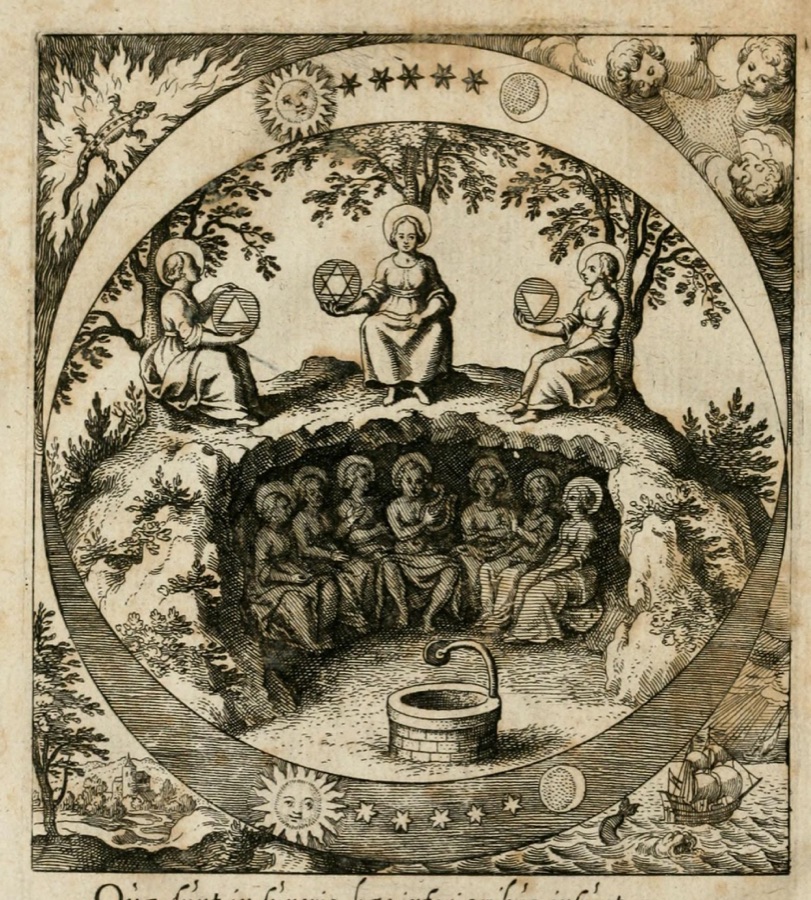
Westminster Başrahibi olduğunu söyleyen bir Benedikten keşişi, otuz yılını anlaşılmaz simya kitaplarını didikleyerek ziyan ettiğini itiraf ederek söze başlıyor. Ardından İtalya'ya gidişini, Raymundus Lullus'a mürit oluşunu, üstadını İngiltere'ye ve Kral III. Edward'ın huzuruna getirişini ve kralın verdiği sözü çiğneyerek üstadı denizler ötesine kaçmaya mecbur edişini anlatıyor. Anlatının ardından Filozof Taşı'nın hazırlanışına dair altı bölümlük bir tarife ile manastır kardeşlerine bırakılan sıkı bir sır saklama emri geliyor. Aşağıda vasiyetin tamamı yer alıyor.
M[ICHAEL] M[AIER]'İN BU ESER ÜZERİNE DÖRTLÜĞÜ
Ya Müellif'in maksadı ya da yazılarının lafzı aldatıcıdır.
Şu hâlde tetikte ol; her yerde, çiçeklerin arasında bir yılan pusuya yatmıştır.
Lâkin elinden geldiğince açık konuşmuş bir dostu hor görme.
Sözlerin gölgeli yaprakları altında Hakikat'in altın meyvesi gizlidir.
İNGİLİZ CREMER'İN, WESTMINSTER BAŞRAHİBİ VE BENEDİKTEN TARİKATI KEŞİŞİNİN VASİYETİ
Simya'nın tam ve dosdoğru bir anlatısını, bu Sanat'ın nice talibinin yolunda pek ağır bir engel teşkil etmiş olan o karanlık ıstılahların hiçbirine başvurmaksızın vermeye giriştim. Burada tasvir ettiğim kendi tecrübemdir: bütün marifeti, düşünceyi anlaşılmaz bir dille ifade etme sanatında toplanmış görünen müelliflerin yazılarını didikleyerek harcadığım ve ziyan ettiğim otuz yılın tecrübesi. Ne kadar çok okuduysam o kadar umutsuzca yoldan saptım; nihayet İlahî Takdir bana İtalya'ya bir yolculuğa çıkmayı ilham etti ve o soylu, hayret verici derecede âlim Üstat Raymundus'un yanında bir mürit olarak kabul edilmemi nasip etti. Uzun zaman onun yanında kaldım. (Westminster Manastırı'nın başrahipler listesinde Cremer adında bir kişinin tarihsel kaydı yoktur. Metnin muhtemelen 16. yüzyılda kaleme alınmış, kendisine sahte bir otorite kurmak üzere bir başrahibin ağzından yazılmış bir eser olduğu kabul edilir.)
Gözünde öyle bir lütfa mazhar oldum ki, bu Büyük Sır'ın bilgisini kısmen bana açmakla kalmadı, en hararetli yalvarışım üzerine benimle beraber şu İngiltere adasına da geldi ve burada iki yıl benimle yaşadı. Kaldığı müddet boyunca beni işin bütün sırrında etraflıca yetiştirdi. Sonrasında, soylu üstadımı en inayetli Majesteleri Kral Edward'a takdim ettim; kral onu nezaketle ve şerefle karşıladı ve ondan tükenmez bir servet vaadi kopardı — şu şartla ki, kendisi bizzat Tanrı'nın düşmanları olan Türklere karşı bir Haçlı Seferi'ne kumanda edecek ve bundan böyle öteki Hristiyan milletlere savaş açmaktan sakınacaktı. (Ramon Llull'a atfedilen simya eserlerinin hiçbiri gerçekte ona ait değildir; araştırmacılar bu külliyatı Pseudo-Lull diye anar. Llull 1316 dolaylarında ölmüştü; III. Edward ise 1327'de tahta çıkmıştır. Yani anlatılan karşılaşma tarihsel olarak mümkün değildir.)
Lâkin, ne yazık ki bu vaat asla yerine getirilmedi; zira kral mukavelenin kendisine düşen tarafını çirkin biçimde çiğnedi ve aziz üstadımı, ruhunda keder ve hüzünle denizlerin ötesine kaçmaya mecbur etti. Gördüğü haksız muameleyi düşündükçe yüreğim hâlâ içimde yanar; onun bedeniyle huzurunda bir kez daha bulunmaktan daha hararetli bir özlemim yoktur. Zira gündelik hayatının nizamı ile zihninin saflığı ve dürüstlüğü, en azılı günahkârı bile tövbeye sevk ederdi. Bu arada müsterih ol, ey en mübarek Raymundus: ben ve kardeşlerim her gün senin için Tanrı'nın huzuruna dualarımızı döküyoruz. (Kralın Kutsal Topraklar için sefer sözü verip bunun yerine Fransa'ya savaş açması, Yüzyıl Savaşları'na (1337'den itibaren) yapılmış bir göndermedir. Metin bu tarihsel hayal kırıklığını simyacının ihanete uğrayışı hikâyesine dönüştürür.)
Bilcümle hikmet Tanrı'dan gelir ve daima O'nda son bulur. Bilgi arzulayan kimse onu O'ndan istesin; zira O cömertçe ve başa kakmaksızın verir. Her bilginin yüksekliği ve derinliği, hikmetin bütün hazinesi Tanrı adamlarına verilmiştir; çünkü her şey O'nda, O'na ve O'nun eliyle vardır ve O'nun iradesi olmadan hiçbir şey vuku bulmaz. Sözüme başlarken, bütün iyi şeylerin membaı ve menşei olan O'ndan yardım dilerim. Ruhunun parlak nuru yüreğimde ışısın ve beni bütün hakikate götürsün; başkalarına da Bilgi'nin hakiki yolunu göstermeme imkân versin! Bu dua, yücelerde taht kurmuş olan, her şeyi yöneten ve idare eden O'nun tarafından, ebediyen kabul buyrulsun! Âmin. (Bu tür «ehil ile hükümdar» anlatıları simya edebiyatında başlı başına bir tür oluşturur: bilgeliğin kaynağı bir üstattır, iktidar sahibi ona ihanet eder, sır böylece sadece ehil olanda kalır. Anlatının işlevi tarih vermek değil, sırrın gizlenmesini meşrulaştırmaktır.)
«Başlangıçta Söz (Logos) vardı — lütuf ve hakikatle dolu.»
DUA
Ey Kutsal Rab, Kadir Baba, Ebedî Tanrı: biz nâlayık kulların, biricik Oğlun Rabbimiz İsa Mesih'i şefaate çağırarak takdis etmeye cüret ettiğimiz ateşi kutsamaya ve mukaddes kılmaya tenezzül eyle. Ey inayeti bol Tanrı, onu bereketinle mukaddes kıl ve insan neslinin hayrına hizmet etsin; Rabbimiz İsa Mesih'in hatırına.
Ey Ulu Rab, Kızıl Işığın Yaratıcısı,
Ey zamanları muayyen mevsimlerle bölen,
Güneş kaybolunca korkunç Kaos yeniden gelir:
Ey Mesih, nurunu sadık kavmine geri ver!
Göğün zeminini yıldızlarla bezemiş olsan da,
Ve onu Ay'ın parlak kandiliyle kakmış olsan da,
Yine de bize çakmaktaşından ışık çıkarmayı öğretiyorsun,
Ve taştan doğan kıvılcımı üfleyip hayata getirmeyi.
Sen gözlerin hakiki nuru, duyuların ışığısın;
Dıştaki şeylerin de içteki şeylerin de aynasısın.
Hizmet ederek taşıdığım şu ışığı kabul buyur,
Sulhu getiren bakireden çıkan mesh yağıyla renklenmiş olan bu ışığı.
Sana geliyoruz, ey ulu Baba, biricik Oğlun aracılığıyla,
Ki şanın onda gözle görülür biçimde parlar,
Ve O'nun aracılığıyla, o Mübarek Tesellici aracılığıyla,
Ki onu büyük yüreğinden gönderdin.
Onda Parlaklığın, Şerefin, Nurun ve Hikmetin,
Haşmetin, İyiliğin ve Merhametin
Çağlar boyunca bizimle kalsın,
Ve bizi Işık Pınarı'na çeksin. Âmin.
I. BÖLÜM — SANATIMIZIN HAYATINI TEŞKİL EDEN DİRİ SUYUN HAZIRLANIŞI
İyi cins kırmızı şaraptan üç ons tartar al; kuvvetli ve saf olsun. Üzerine beş ons Petrol, iki ons diri kükürt, iki ons turuncu renkli Arsenik, üç ons Rabusenum, iki ons söğüt kömürü ekle. Bütün bu maddeleri karıştır ve ağzı iyice tıkanmış bir cam kavanoz içinde, «Neptün banyosu»nda damıt. («Neptün banyosu», doğrudan ateş yerine kaynar su içinde ısıtma usulüdür; simya metinlerinde balneum Mariae ya da su banyosu diye de geçer. Bir tanrı adı değil, teknik bir ıstılahtır.) Bu kavanoz aşağı yukarı bir arşın boyunda olsun ve ruhların yahut dumanın buharlaşmasını önlemek için itinayla kapatılsın. Rengin soluklaştığını gördüğünde onu ocaktan çıkar ve soğumaya bırak. Bunu dört gün kadar bir sürede hazırlayabilmen gerekir. Kokusunu solumamaya dikkat et, zira öldürücü bir zehirdir. Bu su sağlam ve ağzı iyi tıkanmış bir cam kavanozda saklanmalı ve müteakip bölümlerde verilen tarife göre kullanılmalıdır. Öteki su ise on sekiz yaşında, kirletilmemiş bir delikanlının idrarından iki kez damıtılmalıdır; eğer delikanlı kirletilmişse suyun hiçbir canlılığı olmaz.
[Rabusenum, madenlerden akan suyla birlikte çıkan, kırmızı bir madde ve topraktır; bir cam kavanoz içinde, yirmi altı gün boyunca güneşin harareti altında bırakılarak Temmuz ayında kemale erdirilir.]
II. BÖLÜM
Kirletilmemiş bir delikanlının ilk uykusundan sonraki suyunu üç dört gece boyunca, üç pint elde edinceye kadar topla. Her gece onu ağzı iyi tıkanmış bir taş kavanoza koy; tortuyu ayır. Sıvının en ince ve en saf kısmından bir pint süz. Üzerine iki kadeh çok kuvvetli sirke, iki ons sönmemiş kireç ve yukarıda hazırlanışı tarif edilen «diri su»dan yarım ons ekle. Karışımı toprak bir çömleğe koy ve üzerine kille hava geçirmez hâle getirilmiş bir imbik yahut damıtma kabı yerleştir. Ateşe koymadan önce bir gün bir gece dinlensin. Sonra onu yumuşak bir hararete maruz bırak ve beş altı gün beş altı gece boyunca aralıksız damıtsın. Böylece damla damla aksın; cam kabını itinayla sıvayıp mühürle ki ne ruh ne duman kaçabilsin; damlayan sıvı mavi yahut solgun bir renk aldığında artık daha fazlasını çekme.
III. BÖLÜM
Berrak, sert ve hiçbir kusuru olmayan sekiz ons demir cevherini üç dört parçaya bölerek şiddetli bir kömür ateşinde erit; ikinci bölümde tarif edilen Bakire suyundan bu iş için gereken miktarla söndür. Sonra üç ons kalay al, kısa bir müddet ateşte ısıt ve Bakire suyuna batır. Demir cevherini ve kalayı bir mermer levha üzerinde iyice ufala; soğumaya başladığında ise adı geçen sudan biraz vererek besle. Bütününü dar boyunlu bir cam şişeye dök ve kurşunla mühürle. Emin bir yere koy; Ekim ayında ise su geçirmez bir sandığı (aşağı yukarı bir yarda boyunda olsun) taze at gübresiyle doldur ve cam kabını içine göm. Şişenin hemen yanında bir kat sönmemiş kireç bulunsun. Sandığın kapağını sımsıkı kapa ve karışıma dolunay vaktinden başka hiçbir zaman bakma. Renkleri, sabitleşip katılaşıncaya kadar değişmeyi sürdürecektir. Sonra kabın dibine doğru çöker. Sandıkta on iki hafta kaldığında tamamen siyah olmalıdır. O vakit onu çıkarabilir ve Mart'ın yirminci gününe kadar saklayabilirsin; o gün aşağıda verilen tarife göre bir kez daha incecik ufalanmalıdır.
IV. BÖLÜM
Mart'ın on beşinci günü civarında üç ons cıva al ve üzerine yarım ons «diri su» ekle. Cıvayı, külsuyuyla arıtılmış ve iyice kurutulmuş bir süzgeçten beş kere geçir. İki libre kurşun erit ve bir çömleğe dök. Sıvı hâle geldiğinde içine ince ve yuvarlak bir şiş sok; kurşun hâlâ sıcak fakat artık sabitlenmiş durumdayken şişi çıkar ve yerine cıvayı dök. Bütün kütle soğuduğunda onu bir mermer levha üzerine boşalt, üzerine biraz yağ dök, incecik ufala, üç parçaya böl ve her birini küçük kurum haplarıyla karıştır. Onları sekiz gün sımsıkı mühürlenmiş bir kapta bırak, sonra dövüp toz hâline getir ve bu tozu, eşit ölçüde sirke ile «Bakire suyu»ndan bileştirilmiş bir sıvıyla besle. Böylece teşekkül etmesi gereken yumuşak hamuru yüksek bir cam damıtma kabına koy. Kabın üst kısmını kille kapa ve bir parça deri yahut parşömenle bağla.
Sonra onu, ardıç ve meşe odunundan kor hâlinde kömürler ile yirmide bir nispetinde demir talaşı bulunan tahta bir sandığın içine daldır. Kabı yerleştirmeden önce ateşin derecesini denemek için içine bir parça kuru kâğıt at. Kâğıt tutuşuyorsa ateş fazla kızgın değildir; fakat yandıktan sonra geriye kalan ince kırıntılar da tükeniyorsa hararet aşırıdır ve sıcaklık düşene kadar kapak açık bırakılmalıdır. Gereği gibi ılıdığında, üzerine itinayla bir kaşık «diri su» (birinci bölümde tarif edilen) ekle. Fakat imbiğin kömürlerle ancak dörtte üç oranında örtülmesine dikkat et; öyle ki dolunay her doğduğunda örtüyü çabucak kaldırıp işin nasıl ilerlediğini görebilesin. Bunu her yaptığında bir kaşık «diri su» ekle. Başlangıçta karışımın rengi siyah olmalıdır; sonra beyazlaşacak ve türlü renk değişimlerinden geçecektir. Karışım katılaştığında yahut sabitlendiğinde rengi hafif koyu bir kızıl olmalı; ayrıca tuzlu ve ağır olmalı, artık akmamalı yahut kabın üstüne doğru kabarmamalıdır.
Ona, yirmi beş Mart'ta başlamak üzere kırk hafta boyunca burada salık verilen usulle muamele edilmelidir. Bu müddetin sonunda karışım öylesine sertleşecektir ki kabı çatlatacaktır. Bu mesut hadise vuku bulduğunda bütün ev fevkalade tatlı bir rayihayla dolar; işte o gün, bu en mübarek Hazırlığın Doğum günüdür. Unutma ki kömürlerin bulunduğu demir sandık, bir başka tahta sandığın içine yerleştirilmelidir; bunun maksadı bileşimi havanın zararlı tesirlerinden korumaktır.
V. BÖLÜM
İki libre saf ve yumuşak kurşun ile iki libre saf kalay al ve bunları yukarıda anılan, ağzı iyi örtülmüş kil kavanozda erit. Bütününü odun ateşi üzerine koy ve üç saat boyunca mutedil bir alevde tut. Bütün karışım saf ve şeffaf hâle gelinceye kadar maden cevherinin «köpüğü»nü al; sonra üzerine bir onsun dörtte biri kadar toz hâline getirilmiş Kızıl Taş ekle. Bütün kütle kızıllaşıncaya kadar demir bir kaşıkla usulca karıştır. Kavanozu yetmiş iki saat bırak ve son üç saatte onu bir kez daha alevli odun ateşinin yumuşak hararetine tut. Hâlâ sıvı hâldeyken ona dilediğin şekli verebilirsin; katılaştığında ise bütün işin Kemale Ermiş hâli gözlerinin önündedir. Ellerini kaldırıp bütün iyi armağanları Verene şükran duası etmeyi ihmal etme. Böyle olsun.
VI. BÖLÜM — MADENİN ERİTİLECEĞİ ATEŞE DAYANIKLI KİLİN HAZIRLANIŞI
İyi yoğrulmuş çömlekçi kili al, yahut Taxonium denilen beyaz toprağı; onu onda bir nispetinde at gübresiyle karıştır. Kavanoz şekillendirilip yarı yarıya kuruduğunda, onu kırmızı yahut caldarium bakırının ince talaşları ve kırmızı arseniğin ince tozuyla kapla. Tamamen kuruduğunda, alt kısmının bütününü, birinci bölümdeki «diri su» içinde on iki saat çözündürülmüş güherçileyle sıva.
SIVAMA KİLİNİN HAZIRLANIŞI
Kabını tıkamak ve hava geçirmez tutmak için kullanacağın «kil»i zift yahut sönmemiş kireç macunu ile yumurta akından, biraz beyaz Ermeni bolusuyla iyice karıştırarak yap. Petrolün berrak, saf ve sarı olsun. Rabusenum'un ise berrak ve parlak zincifre renginde olmalıdır.
Dileğim odur ki, bu manastırımızdan Kardeş Alexander ile Richard bu Vasiyet'i En Mübarek Teslis adına istinsah etsinler ve itinayla muhafaza etsinler.
Her şeyden evvel, sırrı bütün açgözlü ve habis kimselerden gayretle saklasınlar ve manastırımızın o vakitki Başrahibi ile Prior'undan başka hiç kimseye açmasınlar. Onlara dahi, dört İncil üzerine, sırrı ne iktidar sahibi hiçbir kimseye ne de manastırımızın aşağı rütbeli kardeşlerinden hiçbirine ifşa etmeyeceklerine dair yemin etmedikçe bildirilmesin.
Bundan başka dileğim odur ki, bu Sanat manastırımızda fiilen icra edilmesin; ancak manastırı yoksulluktan ve yıkımdan kurtarmak icap ederse müstesna — ki ona bunca büyük bir kıymetli madenler hazinesi bıraktığıma göre böyle bir ihtimalin doğması pek muhtemel değildir. Ayrıca bu evde yetki sahibi olan sizlere, yani Başrahip ile Prior'a şunu tembih ederim: bu son arzum ve vasiyetim her altmış yılda bir istinsah edilsin ki, ne zamanın tahribatı ne de insan düşüncesini kalıcı kılan o yazı işaretlerinin biçimindeki bir değişme yüzünden okunmaz hâle gelsin.
Dahası, size emrediyorum: Kızıl Ejder Kanı'nın hazırlanış sırrını, gereken maddelerin miktarlarını, bunlara nasıl muamele edileceğini yahut işe hangi vakitte girişilmesi gerektiğini, yukarıda adı geçen kimselerden başka hiçbir insan evladına ele vermeyin; ve size and veririm ki, size emanet edilen bu vediayı Baba, Oğul ve Kutsal Ruh adına eksiksiz, dokunulmamış ve kırılmamış olarak muhafaza edip koruyasınız; zira bir gün Mesih'in hüküm kürsüsü önünde bana hesap vereceksiniz. Bu buyruğuma riayet etmeyenin adı Hayat Kitabı'ndan silinsin.
Magnesia, demirin eritilmiş cevheridir. Karışım hâlâ siyahken ona Kara Kuzgun denir. Beyazlaşırken Bakire Sütü yahut Balina Kemiği adını alır. Kızıl merhalesinde Kızıl Aslan'dır. Mavi olduğunda Mavi Aslan denir. Bütün renkleri aldığında Bilgeler ona Gökkuşağı adını verir. Lâkin bu tür adların sayısı hesapsızdır; ben ancak bu birkaçını anabiliyorum. Kaldı ki bunlar yalnızca avamı şaşırtmak ve bu sırrı sade kimselerden gizlemek maksadıyla uydurulmuştur. Bu tuhaf ve acayip ıstılah ve adlarla dolu bir kitaba ne zaman rastlarsan, onu derhal bir yana at: sana hiçbir şey öğretmeyecektir. (Metnin, bütün bu tarifelere rağmen tarihsel bir kaynak olarak değil, simya cemaatinin kendi kurucu efsanesi olarak okunması gerekir; anlatı bir laboratuvar tutanağından çok, bir aidiyet ve meşruiyet belgesidir.)
Özgün metin (İngilizce)
Bu metin neden önemli
Metin, simya külliyatının en çok okunan derlemelerinden biri olan Hermetic Museum içinde yer alır. Derleme 1678'de Frankfurt'ta Latince olarak yayımlanmış, 1893'te A. E. Waite tarafından İngilizceye çevrilerek genişletilmiştir. Bu vasiyet, simya tarihinin en çok anlatılan hikâyelerinden birini — Raymundus Lullus'un İngiltere'de kral için altın yapması hikâyesini — birinci ağızdan sunar. Oysa Westminster'da Cremer adında bir başrahibin kaydı yoktur, Lullus III. Edward tahta çıkmadan önce ölmüştür ve ona atfedilen simya eserleri sonradan yazılmıştır. Buna rağmen metin, simya cemaatinin kendini nasıl anlattığını, bilginin niçin gizlenmesi gerektiğine dair kendi gerekçesini nasıl kurduğunu göstermesi bakımından birinci sınıf bir belgedir. Çeviri, A. E. Waite'in The Hermetic Museum, Restored and Enlarged (Londra: James Elliott & Co., 1893; kamu malı) adlı derlemesindeki İngilizce çeviriden yapılmıştır.
Bu eser Simya Koleksiyonu'nun parçasıdır →
- Kaynak eser
- Musaeum Hermeticum Reformatum et Amplificatum (Hermetik Müze), XIII. risale: "Testamentum Cremeri, Abbatis Westmonasteriensis, Angli, Ordinis Benedictini" — İngilizcesi: The Hermetic Museum, Restored and Enlarged, çev. A. E. Waite, Cilt I (Londra, 1893)
- Neşir
- Frankfurt: Apud Hermannum à Sande, 1678 (Latince aslı); İngilizce çevirisi A. E. Waite, Londra: James Elliott & Co., 1893; kamu malı
- Konum
- Vasiyetin tamamı — Hermetik Müze'nin XIII. risalesi
- Çeviren
- Şira Nur Uysal
- Dijital nüsha
- Source Library
Uysal, Ş. N. (Çev.). (2026). Westminster Başrahibi Cremer'in Vasiyeti: Raymundus Lullus ve Kralın Sözü. Kadim Kütüphane. https://kadimkutuphane.com/cremer-vasiyeti-westminster-basrahibi@misc{kk_cremer_vasiyeti,
author = {Uysal, Şira Nur},
title = {{Westminster Başrahibi Cremer'in Vasiyeti: Raymundus Lullus ve Kralın Sözü}},
year = {2026},
publisher = {Kadim Kütüphane},
url = {https://kadimkutuphane.com/cremer-vasiyeti-westminster-basrahibi},
note = {Türkçe çeviri, özgün eser: 1678 (Latince baskı; metnin atfedildiği dönem yaklaşık 14. yüzyıl)},
}Yeni metinlerden ilk sen haberdar ol
Tam çeviriler, PDF'ler ve yeni eklenen kaynaklar hazırlandıkça e-postana düşsün.