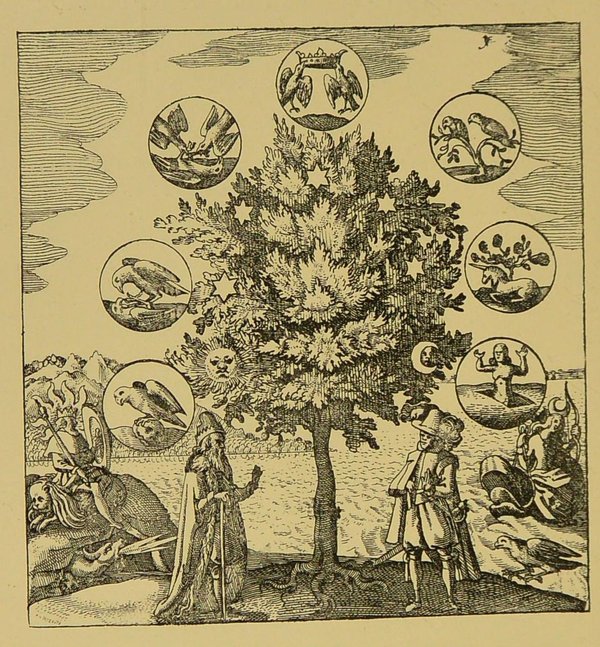
Tabiat'ın Yolunu Şaşırmış Simyacıya Şikâyeti ve Simyacının Cevabı
Musaeum Hermeticum Reformatum et Amplificatum (Frankfurt, 1678) dijital nüshasından özgün bir sayfa (Source Library). Aşağıdaki çeviri, A. E. Waite'in 1893 tarihli İngilizce çevirisinden yapılmıştır.

Tabiat'ın Yolunu Şaşırmış Simyacıya Şikâyeti ve Simyacının Cevabı

The Remonstration of Nature to the Wandering Alchemist
Anonim (Musaeum Hermeticum içinde)· 1678· Özgün: İngilizce· Source Library· ~116 dk okuma
SimyaTürkçe çeviriAçık erişim

Tabiat, kendisini taklit ettiğini sanan bir simyacının karşısına dikilir ve onu azarlar: kırılan şişeler, tüketilen kömürler, kükürtlü dumanlar ve boşa harcanan bir ömür. Ardından ona hakiki yolu — madenlerin yerin bağrındaki oluşunu, dört unsurun beşinci öze indirgenmesini, tek madde ile tek kabın sırrını — anlatır. Simyacı diz çöküp hatalarını itiraf eder ve öğrendiklerini kendi ağzından tekrarlayarak Sanat'ın gerçekte ne olduğunu ortaya koyar. Aşağıda diyaloğun tamamı yer alıyor.

Türkçe çeviri (tam metin) · Çeviren Şira Nur Uysal

TABİAT'IN ŞİKÂYETİ

Yolunu şaşırmış simyacılara yöneltilen, sofistlerden ve sair sahte hocalardan şikâyet eden Tabiat'ın Nutku. John A. Mehung tarafından ortaya konmuştur. Tabiat konuşur. (Metin geleneksel olarak Gül Romanı'nın «Roman de la Rose» ikinci bölümünü yazan Jean de Meung'a atfedilir; ne var ki bu atıf tartışmalıdır. Metnin kendi içinde Tabiat, «John de Mehung»dan üçüncü şahıs olarak, kendisine iyi davranmış oğullarından biri diye söz eder — bu da yazarın Jean de Meung olamayacağına işaret eder. Muhtemelen 15. yüzyılda kaleme alınmış, şöhretli şairin adı esere sonradan iliştirilmiştir.)

Aman Tanrım, Tanrı'nın kendi suretinde kusursuz yarattığı ve yeryüzünün efendileri olsunlar diye tayin ettiği insan soyunun benden bu kadar uzağa düştüğünü görmek beni nice kez derinden kederlendiriyor! Bilhassa sana sesleniyorum, ey kalın kafalı filozof taslağı; kendine amelî kimyager, iyi bir filozof adını yakıştırmaya cüret edersin, lâkin ne benim hakkımda, ne hakiki Madde hakkında, ne de meslek edindiğini söylediğin bilcümle Sanat hakkında zerre kadar bilgin vardır! Zira işte, şişeleri kırar, kömürleri tüketirsin; hem de sırf beynini o buharlarla biraz daha yumuşatmak için. Şap, tuz, zırnık ve karaboya çürütürsün; madenleri eritir, küçüklü büyüklü ocaklar kurar, sayısız kap kullanırsın. Buna rağmen ben senin ahmaklığından bıktım, sen de kükürtlü dumanınla beni boğuyorsun. En şiddetli ateşle cıvanı tespit etmeye çabalarsın — o cıva ki bayağı ve uçucu maddedir, madenleri kendisinden yaptığım şey değildir; bu yüzden hiçbir netice alamazsın. (Tabiat'ı kişileştirip birinci ağızdan konuşturmak bu metnin icadı değildir. Ortaçağ alegorik edebiyatının yerleşik bir kalıbıdır ve doğrudan Alanus ab Insulis'in De Planctu Naturae'sine — Tabiat'ın Şikâyeti'ne — dayanır. Orada da Tabiat, kendisine ihanet eden insanlığa sitem eder; burada muhatap yalnızca daraltılmış, ahlâkçı azarlama yerini laboratuvar azarlamasına bırakmıştır.)

Zira benim rehberliğimi izlemez, usullerimi taklide çalışmazsın; bilakis bütün hünerimi baştan sona yanlış anlarsın. Bunca saçma maddeyi çözüp imbikten çekmek, sonra da onları imbiklerden, kabak biçimli kaplardan, damıtıcılardan ve pelikanlardan geçirmek yerine kendi işine baksan daha iyi edersin. Bu yöntemle cıvayı katılaştırmayı asla başaramayacaksın. İhya için akkor bir ateş kullanır, onu her şeyi sıvılaştıracak dereceye dek kızdırırsın — işini böyle bitirir, sonunda hem kendini hem başkalarını mahvedersin. Önce benim atölyeme girmedikçe hiçbir şey keşfedemeyeceksin; o atölye ki yerin en iç bağırsaklarındadır ve orada madenleri durmaksızın döverim: kullandığım maddeyi orada bulabilir, işimin usulünü orada müşahede edebilirsin. (Burada yerilen işlemler uydurma değildir; hepsi dönemin gerçek laboratuvar pratikleridir. Pelikan, damıtılan sıvıyı iki yan boruyla kendi kabına geri döndüren, böylece sürekli devir sağlayan bir cam kaptır; kabak biçimli kap «cucurbita» imbiğin alt haznesidir. Aynı biçimde metnin ilerisinde geçen «Meryem hamamı» «balneum Mariae» su banyosuyla yumuşak ısıtma, «at gübresi» ise gübre yığınının fermantasyon ısısıyla haftalarca sabit sıcaklık sağlama yöntemidir. Tabiat bu araçları değil, onlara yüklenen boş umudu reddeder.)

Sırrımı sana açacağımı sanma; meğer ki önce bütün madenlerin büyüyen tohumunu bulasın — hayvanlarınkine ve bitkilerinkine benzeyen o tohumu. Hem onların oluşumunda kullanılanı, hem de kendisiyle beslendikleri şeyi yerin bağrında saklarım. Madenler Vardır, bitkiler Yaşar ve Büyür, hayvanlar ise Hisseder ki bu, salt büyümekten fazlasıdır. Madenleri, taşları ve karaboya cinsinden maddeleri, belli bir tarzda karıştırıp bileştirdiğim birtakım unsurlardan yaparım. Bu unsurları yerin kalbinde aramalısın, başka hiçbir yerde değil. Bitkiler kendi tohumlarını ve suretlerini kendi içlerinde taşırlar; hayvanlar da aynı şekilde üremekte ve aynı vasıtayla kendi benzerlerini meydana getirmektedirler. Her şey kendisi için konulmuş yasalara göre yürür. Bir tek sen, ey kötü adam, benim vazifemi gasp etmeye kalkışarak benden bütün mahlûkattan daha uzağa düştün. Madenlerin kendilerine mahsus tohumları yoksa ne hayatları vardır ne de oluş ve büyüme ilkeleri. Bunların ilki dört unsur eliyle dokuz günde tamamlanır; Ay ise on iki göksel burcu yirmi dokuz buçuk günde kat eder.

Yukarıda anılan yasalar gereğince kış ile yaz birbirinin yerini alır, unsurlar değişir, yerde oluşlar vuku bulur — benim işleyişim, Tanrı'nın ve göklerin işleyişi sayesinde her şey kaimdir: idrak olunan, görülen ve görülmeyen. Böylece göklerde Ay'ın altında kavranan her şey işler ve tesirini, tıpkı bir kadın gibi tohum almaya can atan maddeye aktarır. Her yıldız kendi maddesini etkiler ve kendilerine mahsus tabiatlarına göre başka başka şeyler meydana getirirler. Önce yukarıda gökte, sonra aşağıda yerde unsurlar içinde işlerler; her biri kendi hususi kudretine göre. Türler ile tek tek şeyler işte buradan doğar.

Bilmelisin ki bu çok yönlü tesirler kendilerini yeryüzü unsurları üzerine boş yere dökmezler. Zira işleyişleri görünmez olsa da son derece kesin ve gerçek bir şeydir. Yer gökle kuşatılmıştır ve en iyi tesirlerini, en iyi maddelerini ondan alır. Her felek kendi hakikatini bildirmeye ve onunla yerin merkezini kaplamaya hazırdır. Bu hareket ve hararet vasıtasıyla yeryüzünde buharlar yükselir ki bunlar ilk maddelerdir. Buhar soğuk ve nemliyse yeniden yere iner ve orada saklanır; nemli ve ılık olan ise bulutlara yükselir. Yerin içine kapanmış olanı, uzun bir zamanın ardından, faal ilke olan kükürdün ve edilgin ilke olan cıvanın cevherine çeviririm. Madenler bu ilk terkibin bir başka karışımıdır. Bütünü, tek bir kütle hâline getirdiğim dört unsurdan elde ederim. Bu süreci öyle sık tekrarlarım ki yanılmak için hiçbir mazeretin kalmaz.

Çürümenin ardından oluş gelir; bu da, içteki yanmaz sıcaklığın cıvanın soğukluğunu ısıtmasıyla gerçekleşir. Cıva bu hararete seve seve boyun eğer, zira kendi kükürdüyle birleşmeyi arzular. Bütün bu şeyleri — ateşi, havayı ve suyu — yerin içinde tek bir imbikte bulundururum. Orada onları çürütür, çözer ve süblimleştiririm; hem de çekiçsiz, kerpetensiz, eğesiz, kömürsüz, buharsız, ateşsiz, «Meryem hamamı» olmaksızın ve sair yapmacık düzeneklere başvurmaksızın. Zira benim kendi göksel ateşim vardır ki, madde kendine uygun ve güzel bir suret giyinmeyi diledikçe unsurî ateşi kışkırtır. Cıvamı böylece dört unsurdan, yahut onların cevherinden çıkarırım. Buna daima kendi kükürdü eşlik eder; o kükürt ki cıvanın ikinci benliğidir ve onu tedricen, yumuşakça ve hoşça ısıtır.

Böylece soğuk olan ılıklaşır, kuru olan nemli ve yağlı olur. Lâkin nemli olan kuru cevherinden yoksun değildir, kuru olan da neminden; biri ötekini ilk özünde korur — o öz ki özün unsurî ruhudur, yahut beşinci öz «quintessentia»dır — ve çocuğumuzun oluşu ondan gelir. Ateş onu doğurur ve havada besler; lâkin bundan evvel o, bakir toprakta ayrışır; sonra su akar gelir (yahut sudan akar gelir) ki bunu aramamız gerekir, zira o benim İlk Maddemdir ve madenimin kaynağıdır. Çünkü zıt olan zıddına şiddetle direnir ve kendini öyle tahkim eder ki, işlem esnasında sürüklenip gitmesin; işte o zaman dönüşüme uğrar ve maddenin şehveti tarafından suretinden soyulur — o şehvet ki durmaksızın yeni bir sureti kendine çeker.

Hikmetimle hareketin ilk ilkesini yönetirim. Ellerim, Babam'ın buyurduğu üzere sekizinci felektir; çekiçlerim ise yedi gezegendir, güzel şeyleri onlarla döverim. Bütün eserlerimi ve göğün altındaki bilcümle şeyi kendisinden yonttuğum cevheri yalnızca dört unsurdan elde ederim. Kaos, yahut Hyle, ilk cevherdir. Kralı, Kraliçeyi ve bütün maiyeti ayakta tutan Hanım odur. Onun buyruğunu yerine getirmek üzere daima bir atlı hazır bekler, odalarda ise bir bakire onun hizmetini görür. O ne kadar güzelse ben de onda o kadar güzel görünürüm. Şunu da bil ki bilcümle öze özünü verme kudreti bendedir; onları koruyan ve suret kalıbına döken benim.

Bundan başka, Tanrı'nın ilk cevheri ayırdığı üç kısmı da müşahede et. Birinci ve en saf kısmından Kerubîleri, Serafîleri, Başmelekleri ve sair bütün melekleri yarattı. O kadar saf olmayan ikincisinden gökleri ve onlara ait olan her şeyi yarattı; saf olmayan üçüncü kısmından ise unsurları ve onların hassalarını. Bunların ilki ve en iyisi Ateş'tir. Ateş hiçbir bozulmayı kabul etmez ve beşinci özün en saf kısmını taşır. Ateş'ten sonra latif Hava'yı yaptı ve ona beşinci özden bir pay koydu — lâkin o kadar büyük bir pay değil. Sonra görünür unsur olan Su geldi ki beşinci özden ihtiyacı kadarını taşır. En sonunda Toprak gelir. Bütün bunları (Tabiat'ın geri kalanı gibi) bir an içinde yarattı.

Toprak kaba ve karanlıktır; velev ki bereketli olsun, beşinci özden en küçük payı o taşır. Başlangıçta unsurlar kendi ayrı felekleri içinde nasıllarsa öyle kaldılar. Şu hâlde Hava gerçekte nemlidir, lâkin gereğince Ateş tarafından ölçüye getirilir. Su gerçekte ılıktır, lâkin nemini havadan alır. Toprak gerçekte kurudur, lâkin aynı zamanda soğuktur; büyük kuruluğu onu ateşe akraba kılar. Ateş ise, harareti sayesinde hayatı ve büyümeyi meydana getiren ilk unsurdur. Şimdi bütün bu unsurlar birbirini etkiler ve birbirine nitelik kazandırır; öyle ki her biri sırası geldikçe kâh faal kâh edilgin olur. Sözgelimi Ateş, hava ve toprak üzerinde işler. Toprak her şeyin anası ve dadısıdır; göğün altında bozulmaya açık ne varsa hepsini o taşır.

Tanrı bana dört unsuru beşinci özlerine çözme kudretini vermiştir; bu, her unsurda cins olarak nitelenmiş olan ilk cevherdir. Onları kendi maksadım için çözerim ve böylece bütün oluşu meydana getiririm. Lâkin hiç kimse, unsurları çözmeye çabaladığı gibi beni ilk cevherime çözemeyecektir. Zira unsurları ve onların suretlerini yalnız ben dönüştürebilirim; başka türlü düşünen kendini aldatır. Çünkü sen hiçbir zaman her cevhere kendi hususi tesirini tayin edemeyecek, o cevherin gerektirdiği unsur oranlarını bulamayacaksın. Diyorum ki, yaratılmış şeyleri kalıba dökebilen ve onlara kendilerine mahsus hassalarını ve cevherlerini verebilen yalnız benim. Göksel sırlarımla, haklı olarak mucize diye anılan kusursuz eserler meydana getiririm; nitekim böylesi harikulâde bir kudrete sahip olan ve benim elimden çıkma olan İksir'de bu görülebilir. Yeryüzünde hiçbir sanat benim işçiliğime bir şey katamaz, onu iyileştiremez.

Aklı başında her kimse görmek zorundadır ki, göksel cisimlerin tam bilgisi olmaksızın, yahut onlarda mukim olan tesir gücünden ayrı olarak hiçbir şey başarılamaz; bunlar olmadan her şey hata ve suistimaldir. Peki, sıradan bir insan bu tesiri nereden edinecek ve onu maddeye nasıl tatbik edecek? Unsurları doğru oranlarında nasıl karıştıracak? Bir adam bu sırrı araştırmakla uzun bir ömür tüketse bile (der Avicenna, De Vir. Cord., ikinci bap), çözümüne bir arpa boyu yaklaşamaz. O yalnız benim emanetimdedir ve hiçbir insan tarafından asla bilinemez. Kudretim ve tesirimle noksan olanı kâmil kılarım; ister bir maden olsun ister bir insan bedeni. Terkibini karıştırır, dört unsuru mizana getiririm. Zıtları barıştırır, kavgalarını yatıştırırım.

İşte göksel kudretlerimle yersel cevherlerimden halka halka ördüğüm altın zincir budur. Eserlerimi öyle şaşmaz bir isabetle tamamlarım ki bütün kudretim onlarda serilip gösterilir; ve öyle bir maharetle ki insanların en bilgesi bile benim kemalime erişemez. Haydi öyleyse, çık da eserlerime bak; ey kendini bu kadar hünerli bir zanaatkâr sanan adam, sen ki beni hiç bilmeden, kömür ateşlerinle ve Meryem hamamınla, benim imbiklerimde altını içilebilir kılmaya uğraşırsın — bil ki ben senin ahmaklığını görmeye tahammül edemiyorum. Eserlerimi seyrettikten sonra, renkli ve boyalı şişelerindeki fena kokulu kaynatmalarınla onlara rakip olmaya kalkışmaktan, böylece hem vaktini hem paranı yitirmekten utanmıyor musun? Ne düşünüyor olabileceğini havsalam almıyor. Kendine acı ve öğrettiğime kulak ver. Sana söylediğimi doğru anlamaya çalış, zira ben yalan söyleyemem.

Şu en şanlı maden olan altının güzel suretini gökten, kıymetli cevherini ise yerden nasıl aldığını düşün. Lâl, ametist ve elmas gibi kıymetli taşların oluşu da aynı tarzda vuku bulur. Cevherin kendisi dört unsurdan mürekkeptir; suretini ve niteliklerini ise göksel tesirlerle alır — velev ki böyle işlenmeye yatkınlık unsurun içinde uykuda dursun ve ancak zaman içinde açığa çıkıp arıtılsın. Bütün bunlar yalnız benim ellerimle başarılır. Mimar benim ve hayatın sırrını benden başka kimse bilmez. Zira kendini ne kadar bilge sanırsa sansın, o kişi her unsurdan ne kadar alacağını, onu nereden edineceğini, düşman unsurları kavgalarını yatıştıracak biçimde nasıl karıştıracağını, yahut göksel tesirleri bu özler üzerine nasıl indireceğini bilmez. Demir bile yapamaz, kurşun da; madenlerin en bayağısını dahi. Öyleyse benim hazinemi çalmaktan başka nasıl altın yapabilsin? Onun arzuladığı gaye yalnız benim sanatımla başarılabilir — bir sanat ki insanın bilmesi imkânsızdır.

Ve altının madenlerin en kıymetlisi olduğunu kabul etsek bile, altın tek başına ne hastalıkları iyileştirebilir, ne öteki madenlerin noksanlarını onarabilir, ne de onları altına çevirebilir. Aynı şekilde cam da (ki başka türlü Filozof Taşı olabilirdi) dövülüp şekil alacak kadar yumuşayamaz. Bütün madenler arasında en kıymetli ve en kâmil olan yalnız altındır. Lâkin sen kurşun bile yapamıyorsan, herhangi bir madenin en ufak zerresini bile meydana getiremiyorsan, hiçbir otun meyvesini yetiştiremiyorsan, altın yapma sanatını arayışın ne kadar ümitsiz görünmelidir! Yine, kimyevî bir netice elde etmek istediğini, velev ki altın çıkmasın diyecek olursan, cevabım şudur: bununla ahmaklığına yeni bir delil eklemiş olursun ancak. En içteki işleyişimin sırrının senin için daima mühürlü bir kitap kalacağını anlayamıyor musun?

Tabiat'ın yaptığını yaratılmış hiçbir varlık başarıyla taklit edemez. Hayır; yedi madenden altın yapsam ve sen usulümü anlamasan, bütün madenleri en saf altına çeviren o cevheri hazırlamayı nasıl umabilirsin — o cevher ki Tanrı'nın bana verdiği en kıymetli hazinedir? Aradığın bu kıymetli şeyin, yaratılmış zihin için Tabiat'ın en büyük sırrı olduğunu, göksel tesirlerle bileştirildiğini ve böylece insanları bütün hastalıklardan iyileştirip kurtarma, bayağı madenlerin noksanını giderme kudretini taşıdığını bilmiyorsan, ahmak ve cahilsin. Şu hâlde o kendinde bu denli kâmilse ve yeryüzünde bir benzeri yoksa, elbette en yüce Zekâ'nın işçiliği olmalıdır; zira başka hiç kimse altın bile yapamazken, kendisi altın yapma kudretini taşıyan bir şeyi hiç yapamaz. Doğrusu, böyle bir şeyi hazırlayabileceğini iddia etmek, on okkayı taşıyamam lâkin yüz okkayı taşıyacak kadar güçlüyüm demeye benzer. Öyleyse niyetinin hakiki kapsamını ve mesuliyetini yüreğine yaz.

Ben de kendi payıma bütün hikmetimi, kudretimi ve gücümü gökten alırım; Maddem ise en yalın biçimiyle dört unsurdur. İşte unsurların ilk ilkesi ve beşinci özü budur; onu indirgemelerle, zamanla ve devirlerle meydana getiririm ve bunlarla aşağı olanı daha kâmil olana, soğuk ve kuru olanı nemli ve ılık olana dönüştürürüm; taşları ve madenleri tabiî nem hâllerinde böyle korurum. Bu, göksel cisimlerin hareketleriyle vuku bulur, zira unsurlar onlar tarafından yönetilir; onların hükmeden tesiriyle benzer benzerine getirilir. Cevherim ne kadar saf olursa göksel tesirin doğurduğu neticeler de o kadar mükemmel olur.

Peki sen sanıyor musun ki, toprağın ve suyun bulunduğu şu imbiğinde, senin ateşin ve hararetinle, senin ak ve kızıl renginle boynumu senin boyunduruğuna uzatmaya, senin arzuna ve keyfine hizmet etmeye razı edileceğim? Gökleri kımıldatabileceğini ve onları tesirlerini senin işine dökmeye zorlayabileceğini mi sanıyorsun? Onun, ancak çalgıcının parmakları dokununca tatlı ses veren uzuvlu bir saz olduğunu mu sanıyorsun? Kendine fazla pay biçiyorsun, ey ahmak adam. Göklerin devirlerinin, tesiriyle her şeye kudret veren muazzam bir Zihin tarafından yönetildiğini bilmiyor musun?

Sana yalvarırım, bütün büyük şeylerin benden ve nihayetinde Tanrı'dan geldiğini hatırla; ellerinin maharetinin Tabiat'ın işleyişi kadar kusursuz olabileceğini sanma. Zira o boş ve beyhudedir ve maymun gibi her şeyde beni taklit etmek zorundadır. Kabında cevherini imbikten çekmenin, çözmenin, yoğunlaştırmanın, yahut yağdan su çıkarmanın beni izlemenin doğru yolu olduğunu da sanma. Bundan uzaksın, oğlum. Unsurları karıştırıp çözmelerin şimdiye dek hiçbir iyi netice vermedi ve veremez de. Sebebini bilmek ister misin? Senin cevherin ocağın hararetine yarım saat bile dayanamaz, duman olup uçmak yahut ateşte tükenmek zorundadır. Oysa benim çalıştığım cevher, hiç zarar görmeden her derece hararete dayanır. Benim suyum kurudur ve dokunduğunu ıslatmaz; buharlaşmaz, eksilmez, yağı da tükenmez. Benim unsurlarım işte bu kadar kâmildir; seninkiler ise faydasızdan da beterdir.

Sonuç olarak şunu söyleyeyim: senin sunî ateşin benim göksel hararetimi asla veremeyecek, senin suyun, yağın ve toprağın da sana benim cevherimin yerine geçecek hiçbir şey sağlamayacak. O, gökten unsurların üzerine dökülmüş bir Tanrı vergisidir ve birinin üzerine ötekinden daha çok dökülmüştür; lâkin bunun nasılını yalnız ben ve bu bilgiyi bana emanet eden Yüce Sanatkâr bilir. Bir şey daha söyleyeyim, oğlum. Beni taklit edeceksen, her şeyi tek bir yalın, kendi kendine yeter Madde'den, iyi kapatılmış tek bir kapta ve tek bir imbikte hazırlamalısın. Cevher, kusursuz gelişimi için gereken her şeyi kendinde taşır ve daima aynı yumuşak sıcaklıkta tutulan bir hararetle hazırlanmalıdır.

İzin ver de sana en asil eserim olan insanın doğuşunu ve gelişimini düşündüreyim. Sen bir insan bedenini herhangi bir cevherden yapamazsın. Böylesine latif bir bedeni kalıba dökerken kullandığım usulden ne Aristoteles'in ne de Platon'un en ufak haberi vardı. Kemikleri ve dişleri ben sertleştiririm, eti yumuşak, kasları soğuk, beyni nemli, Tanrı'nın hayatı içine döktüğü kalbi ılık kılan benim; bütün damarları kızıl kanla dolduran da benim. Aynı şekilde, tek bir cıvadan ve tek bir faal erkek kükürtten tek bir analık kabı yaparım ki onun rahmi imbiktir. Doğrudur, insan bana sanatıyla yardım eder; dışarıdan rahme hararet dökerek. Lâkin bundan fazlasını yapamaz. Şu hâlde hakiki Madde'yi bilen, onu iyi kapatılmış bir kapta gereğince hazırlayan, bütününü bir imbiğe koyan ve ateşi uygun hararet derecesinde tutan kimse, gerisini gönül rahatlığıyla bana bırakabilir.

Her şey ateşe bağlıdır; bu yüzden ona dikkat etmen sana çok yaraşır. Öyleyse ateşi düşün — ona epesin, pepsin, pepausin ve optesin derler; yahut tabiî, tabiatüstü ve tabiataltı ateş derler ki bu sonuncusu yakmaz. Hakiki Madde ve gereken ateş olmadan hiç kimse emeğinin sonuna varamaz. Cevheri sana ben veririm; sen yalnızca dış şartları sağlayacaksın. Şu hâlde doğru cinsten ve doğru boyda bir kap ile bir imbik al. Akıllı ol ve deneyi benim yasalarıma uygun biçimde yürüt. Sen bana yardım et, ben de sana yardım edeyim. Sana, senin bana davrandığın gibi davranırım. Bana iyi davranmış, babasına ve anasına itaat etmiş, buyruklarıma boyun eğmiş öteki oğullarıma büyük bir mükâfat verdim; sözgelimi John de Mehung bunu sana söyleyecektir. Onun şahitliğini Villanova, Raymond, Romalı Morienus, Hermes (ki ona Baba derler ve Bilgeler arasında bir benzeri yoktur), Geber ve bu Sanat üzerine yazmış, doğruluğunu tecrübeyle bilen başkaları da doğrular. («Epesin, pepsin, pepausin, optesin» Yunanca pişirme/olgunlaştırma terimlerinin — hepsis, pepsis, optesis gibi — el yazması aktarımında bozulmuş biçimleridir. Aristoteles'in Meteorologica'sında sıvı ve katıların hararetle olgunlaşmasını anlatan bu terimler simya diline ateşin dereceleri olarak geçmiş, aslî anlamları ise yolda silinmiştir. Buradaki karışıklık çeviri hatası değil, kaynağın kendi hâlidir.)

Eğer sen, oğlum, bu kıymetli Taşı hazırlamak istersen, kendini büyük bir masrafa sokmana gerek yok. Bütün ihtiyacın olan, biraz boş vakit ve kesintiye uğramaktan korkmayacağın bir yerdir. Maddeyi (ki tektir) toz hâline getir, suyuyla birlikte iyi kapatılmış bir kaba koy ve sürekli, yumuşak bir harareti ona maruz bırak; hararet o zaman işlemeye başlayacak, nem de ayrışmayı kolaylaştıracaktır. Nemin varlığı, cıvanın kuruluğunun onun özümsenmesini geciktirmesine mâni olur. Bu arada benim ne yaptığımı dikkatle müşahede etmeli ve Aristoteles'in (Meteor. üçüncü ve dördüncü kitap) şu sözünü hatırlamalısın: «Tabiat'ı incele ve Oluş ile Bozuluş üzerine kitabı dikkatle oku.» Ayrıca gök ve âlem üzerine kitabı da okumalısın; güzel ve saf cevhere dair işaretleri orada bulacaksın. Bu tahsili ihmal edersen başarısız olursun. Bu mevzuda Albertus Magnus'un De Mineralibus'una başvur. Lâkin gözlerin böylesi tahsillerle açılırsa madenlerin büyümesinin sırrını keşfedeceksin: yani hepsinin unsurlardan meydana geldiğini.

Kendine Üstat demeden önce beni tanımayı öğren. Beni izle; ben ki yaratılmış her şeyin anasıyım, o şeyler ki tek bir öze sahiptir ve göksel ile unsurî tesirler olmaksızın ne büyüyebilir ne de canlı bir ruh alabilirler. Sebatlı bir tahsille göksel cisimlerin kudretlerini, güçlü işleyişlerini, unsurların edilgin hâlini ve bunun sebebini anlamayı öğrendiğinde — ayrıca dönüşümün vasıtalarını, oluşun, beslenmenin ve çürümenin sebebini, unsurların özünü ve cevherini de bilirsen — Sanat'a çoktan âşina olmuşsun demektir; velev ki işleyişlerimin tahsili için hâlâ son derece latif bir zihin gereksin. Lâkin bu bilginin hiç değilse bir kısmına sahip değilsen, sırrımı keşfetmeyi başarırsan gerçekten çok talihlisin demektir. O bir sırdır ki kendi zanlarında bilge geçinenlerce değil, tevazu ve sabırla öğrettiğime kulak verenlerce okunur.

Bu yüzden, her çağda hakikaten bilge olanların mükâfatı olmuş bu hazineye sahip olmak istiyorsan, sana buyurduğumu yapmalısın. Zira hazinemin öyle bir kudreti ve tesir gücü vardır ki benzeri ne gökte ne yerde bulunur. Merkür ile, o en kıymetli özü senin sanatın ve benim bilgimle kendisinden çıkarmak üzere aldığım Maden arasında orta bir yer tutar. O saf ve içilebilir altındır ve köklü ilkesi faal rutubettir. Üstelik Süleyman'ın tarif ettiği (Sirak otuz sekiz) küllî İlaç odur; aynısı yerden alınır ve bilgeler tarafından el üstünde tutulur. Tanrı ona sırlarım arasında bir yer tayin etmiş ve onu Bilgeler'e açmıştır; her ne kadar kendilerine İlahiyat ve Felsefe doktoru diyen niceleri onu cahilce hor görseler de — nitekim Simya da Tıp doktorlarınca hor görülür, çünkü onlar beni bilmezler ve öğretmeye kalkıştıkları şeyden bihaberdirler. Beyinleri yetersiz döşenmiş olmalı; yoksa bütün öteki ilaçları gereksiz kılan panzehire karşı ahmakça alaylarını yöneltmezlerdi. Ne mutlu o adama ki, yılların yükü altında çökmekte olsa bile, Tanrı onun günlerini bu sırrın bilgisine erişinceye dek uzatır! Zira (Geber'in dediği gibi) bu armağan kendilerine ömrün sonlarında verilmiş nicesi, buna rağmen ileri yaşlarında onunla ferahlamış ve sevinmişlerdir.

Bu sırra sahip olan bütün iyi şeylere ve büyük servete sahiptir. Ondan bir okka, ona hem varlık hem sıhhat sağlar. Kuvvetin ve tazelenmenin biricik kaynağıdır ve altın tentürden kat kat üstündür. O, bütün öteki şeyleri kendinde toplayan iksir ve hayat suyudur. Hazinemde cıva, kükürt, yanmaz yağ ve ak, bozulmaz, eriyebilir tuz gizlidir. Sana açıkça söylüyorum: onun hazırlanışını bensiz asla başaramazsın; tıpkı benim de senin yardımın olmadan hiçbir şey yapamayacağım gibi. Lâkin öğrettiğimi anlar ve benimle el birliği edersen, bütün işi kısa zamanda tamamlayabilirsin.

Şarlatanları ve onların ahmakça yazılarını bırak; bilcümle imbiklerini ve şişelerini bırak; at gübrelerini ve türlü türlü kömür ateşlerini de bırak, zira bunların hiçbirinin hiçbir faydası yoktur. Kendini madenlerle yahut benzeri şeylerle bunaltma; bilakis unsurları değişebilir bir surete çevir. Zira Bilgeler'in en mükemmel cevheri budur ve yalnızca ahmaklarca reddedilir. Cevheri altınınkine benzer, lâkin özü benzemez. Unsurları dönüştür, aradığını bulursun. En aşağıda olanı süblimleştir, en yukarıda olanı en aşağı kıl. Faal kükürdüyle karışmış cıvayı al; onu iyi kapatılmış bir şişeye ve tek bir imbiğe koy, üçte birini toprağa göm, Bilgeler'in ateşini tutuştur ve hiç duman çıkmasın diye onu iyi gözet. Gerisini bana bırakabilirsin. Senden fazlasını istemiyorum; yalnızca şaşmaz rehberliğimi izlemeni buyuruyorum. (Metinde «şarlatan» ve «sofist» diye çevrilen tabirlerin dönemdeki karşılığı «üfleyiciler»dir — Fransızca souffleurs, Almanca Blaser. Ad, körükle ocak üfleyip günlerce ateş besleyen, lâkin hiçbir şey bilmeyen sahte simyacılara verilmişti. Hakiki ehil ile üfleyici arasındaki bu ayrım, simya edebiyatının kendini savunma biçimidir: sanatın itibarını yitirmesinin suçu sanatta değil, onu taklit edenlerdedir.)

SİMYACININ CEVABI

Simyacının hatalarını itiraf ettiği, onlar için af dilediği ve Tabiat'a şükranlarını sunduğu cevap.

Ey en sevgili Ana Tabiat, sen ki meleklerden sonra Tanrı'nın bütün mahlûkatının en kâmilisin, şefkatli irşadın için sana şükrederim. Kabul ve itiraf ederim ki sen büyük âlemin Anası ve İmparatoriçesisin; o âlem ki insan zihninin küçük âlemi için yaratılmıştır. Yukarıdaki cisimleri sen hareket ettirir, aşağıdaki unsurları sen dönüştürürsün. Efendinin buyruğuyla hem küçük hem büyük şeyleri başarır, durmaksızın süren çürüme ve oluş yoluyla yerin ve göklerin yüzünü yenilersin. İtiraf ederim ki hiçbir şey ruhsuz yaşayamaz ve var olan, varlıkla donatılmış her ne varsa, Tanrı'nın sana verdiği kudret sayesinde senden taşar. Bütün madde senin hükmündedir ve unsurlar senin yönetimin altındadır. İlk cevheri onlardan alır, sureti ise göklerden edinirsin. O cevher, senin tarafından değiştirilip tekilleştirilinceye dek biçimsiz ve boştur. Ona önce cevherî, sonra tekil bir suret verirsin.

Büyük hikmetinle bütün eserlerini göksel tesirler vasıtasıyla öyle ustaca kalıba dökersin ki hiçbir ölümlü el onları büsbütün yıkamaz. Tanrı insana lazım olan her şeyi senin ellerine bırakmış ve senin vasıtanla onları dört saltanata bölmüştür: madenler ve taşlar gibi varlığı ve özü olanlar; bitkiler gibi özü ve büyümesi olanlar; hayvanlar, kuşlar ve balıklar gibi hissi ve duyusu olanlar. Bunlar ilk üç sınıftır; dördüncüsüne ise Tanrı yalnızca eserlerinin en asili ve en kâmili olanı koymayı diledi: insanı; ki ona ayrıca akıl sahibi ve ölümsüz bir ruh verdi. Bu ruh, duyular yoluyla bedene sızan kirle örtülmüştür ve Tanrı'nın lütfu ve merhameti olmasaydı onun mahkûmiyetine bulaşmış olacaktı. Şu hâlde insanın başlıca kemali senden gelmez; insanlığımızı bize bahşeden de sen değilsin. Buna rağmen insanın maddî yanı yalnızca senin ellerinin işidir.

Ve gerçekten, bedenlerimiz ustaca ve hayret verici biçimde yapılmıştır ve her bir parçasında ustanın maharetine şahitlik eder. Türlü uzuvlarımızın işleyişleri ne kadar harikulâdedir! Ruhun onları kımıldatabilmesi ve dilediğince işe koşabilmesi ne kadar şaşırtıcıdır! Lâkin heyhat, çok daha sık olarak beden ruhun efendisi olur ve ona, saf aklın mahkûm ettiği nice şeyi yaptırır. Meseleye bu açıdan bakılırsa, sanki sen iyi başlamışsın da eserin sonunda düşük doğmuş gibi görünür. Hikmetten yahut bilgiden mi yoksundun; yoksa başka türlü yapamaz mıydın? Senin hikmetin hakkında fazla küstahça konuştuysam bağışla; benim tek arzum doğru ve hakikatli biçimde bilgilendirilmektir. Zira doğrusu, şimdi bile sert azarın bana nice şeyi aydınlattı.

Bütün ömrümü senin derslerine kulak vermekle geçirdim; ne kadar dikkatle dinlediysem hatalarımı ve hikmetinin derinliğini o kadar açık gördüm. Şimdi ister yatayım, ister durayım, ister yürüyeyim, senin büyük sırrından başka bir şey düşünemiyorum. Yine de onun için hangi cevheri ve sureti almam gerektiğini kavrayamıyorum. Yolunu izlemediğim için beni sertçe azarladın; lâkin biliyorsun ki sana itaat etmiyorsam, bu yalnızca benden ne yapmamı istediğini bilmediğim içindir. Körlüğümü aydınlatmadıkça bu Sanat'ta hiçbir tatmin edici neticeye varamayacağım. Senin işleyişinin sırrını bilmenin insana düşmediğini haklı olarak söyledin: öyleyse elimden tutmazsan bu bilgiye nasıl götürülebilirim?

Seni izlemem gerektiğini söylüyorsun; ben de bunu yapmaya razıyım. Lâkin söyle bana, ne yapmalıyım ve bu maksatla hangi kitapları okumalıyım? Okuduğum kitapların biri «şunu yap» der, öteki «hayır, şunu yap» der; hepsi anlaşılmaz tabirlerle ve karanlık meselleri doludur. Sonunda gördüm ki onlardan hiçbir şey öğrenemiyorum. Bu yüzden sana sığınıyor ve bu güç işe nasıl girişeceğimi bana öğütlemeni, söylemeni ısrarla niyaz ediyorum. Dizlerimin üstünde yalvarırım, yerin alt kısımlarına hangi yoldan nüfuz edebileceğimi ve madenlerin kâmil merkürünü hangi latif işlemle elde edeceğimi bana göster. Yine de şüphe ediyorum ki, bu merkürü elde ettikten sonra bile herhangi bir insan gerçekten altın yapabilsin. O senin işindir, insanın işi değil; nitekim hem senin sözlerin hem de kendi tecrübem bunu apaçık gösteriyor.

Görüyoruz ki soğuk ve nemli merkürün, kendi cinsinden tohumu olan, yahut cinsdaş menisi olan kükürdünün yardımına ihtiyacı vardır; maden yahut Taş ondan meydana gelmelidir. Lâkin sen yalnızca şunu söylüyorsun: doğru cevheri, doğru kabı, doğru madeni, doğru yeri ve doğru ateşi al; o zaman suret, renk ve hayat oradan büyüyüp fışkıracaktır. Mimar sensin; Madde'nin şanlı hassalarını sen bilirsin. Faal ilke, tesirini almaya hazır bir edilgin ilke bulunmadıkça hiçbir şey yapamaz. Ilığı ve soğuğu, kuruyu ve nemliyi nasıl karıştıracağını sen bilirsin; düşman unsurları barıştırarak yeni cevherler ve suretler meydana getirebilirsin. Zira bana söylediğin her şeyi gerçekten anladım, lâkin onu senin kadar iyi ifade edemiyorum. Şunu zihnime sağlamca kazıdın: İksir, dört unsurun barıştırılması ve karşılıklı dönüşümüyle terkip edilir.

Lâkin hangi insan böyle bir işe yeter? Zira toprağın havayla nasıl ortak bir öze sahip olabileceğini, yahut tabiatına aykırı olan rutubete nasıl çevrilebileceğini kim bilir? Çünkü rutubet, ateşin tesiri altında bile soğuk ve nemli bir unsuru terk etmez. Onun kararması, ağarması ve kızarması da Tabiat'ın işidir. Bu üç görünür renk, toprak, su ve ateş olmak üzere üç unsura karşılık gelir ve hepsine hava nüfuz eder. Sonra yine diyorsun ki Taş tek bir şeyden, tek bir cevherden, tek bir kapta hazırlanır; dördü (unsurlar) tek bir özü meydana getirir ve o özde işi başlatıp tamamlayan tek bir fail bulunur; insanın yapması gereken tek şey, biraz hararet eklemek ve gerisini senin hikmetine bırakmaktır. Zira gereken her şey cevherde zaten kâmil olarak vardır — başlangıç, orta ve son; nitekim bütün insan, bütün hayvan, bütün çiçek her biri kendi tohumunda içerilmiştir.

İşte insan menisinde de insana mahsus cevher içerilmiştir: et, kan, kıl ve saire; böylece her tohum kendi türünün bütün hususi hassalarını taşır. Bütün dünyada insanlar insan tohumundan, bitkiler bitkilerden, hayvanlar hayvanlardan çıkar. Şimdi biliyorum ki tohum bir kez dişi kaba kapatıldığında artık hiçbir zahmete yahut herhangi bir işe gerek kalmaz — her şey senin tedricî ve sessiz işleyişinle kemale erdirilir. Taş'ın oluşunun da, dediğine göre, benzer bir tarzda gerçekleştiğini söylüyorsun. Yalnızca tek bir cevher gerekir ki kendi içinde havayı, suyu ve ateşi barındırsın — kısacası bu işin tamamlanması için gereken her şeyi. Başka hiçbir elleme gerekmez ve içteki harareti uyandırmak için yumuşak bir ateş yeterlidir; tıpkı rahimdeki bebeğin tabiî hararetle beslenmesi gibi.

İnsanın sana yardım etmek zorunda olduğu tek şey şudur: cevheri hazırlamak, fazlalık olan her şeyi gidermek, suyuyla birleşmiş bu yalın toprağı bir kaba kapatmak ve onu uygun bir imbikte yumuşak hararetin tesirine bırakmak. Dediğine göre insanın yapması gereken bundan ibarettir; her şey senin için hazırlandığında sen kendi payına düşen işe başlarsın. Cevheri çözer, kuruyu sulu kılarsın; sonra onu süblimleştirir ve havaya doğru yukarı taşırsın; böylece hiçbir ek yardım olmaksızın, kendisi bütün noksan şeylere kemal verebilen o şeyi kemale erdirirsin. Şu hâlde sen, ey Tabiat, ilk anasın; zira dört unsuru, senden başka hiç kimsenin bilmediği bir işlemle ustaca tek bir öze birleştirirsin. Seni buraya kadar anladım ve Tanrı'ya ve sana hoş gelirse büyük mükâfatını kendi gözlerimle göreceğimden büsbütün ümit kesmiş değilim.

Lâkin şu anda hararetle bilmek istediğim tek bir şey var: o cevher nasıl elde edilebilir, nitelikleri nelerdir ve noksan şeylere kemal vermeye yarayan kudretleri nelerdir? Altının madenlerin en kıymetlisi olduğunu iyi biliyorum; lâkin onun hâlihazırda olduğundan daha güçlü hâle gelme kabiliyeti olduğunu göremiyorum. Zira insan onunla ne yaparsa yapsın, altın kendinden başka hiçbir şeyi kemale erdiremeyecektir. Biri bana onu çözüp içinden cıvasını çıkarmamı söylese, bunu son derece ahmakça bir tarif sayardım; zira altından, içinde olandan başka bir şey çıkarılamaz. Şu filozof taslakları, altını ilk cevherine indirgeyebileceklerini söyleyerek cehaletlerini ele veriyorlar; oysa senin irşadın bana açıkça gösterdi ki ilk cevher, bir şeyin kendine mahsus hassaları yok edilmeden elde edilemez; böyle bir yok edişle de, tür önce cinse genelleştirilmedikçe hiçbir yeni tür meydana getirilemez.

Üstelik cüret edip şunu da söyleyeyim: hiç kimse altını önce cins cevherine çözüp sonra onu yeniden eski hâline getiremez; zira bir kez kendine mahsus hassalarını yitirdikten sonra, hiçbir beşerî maharet onu evvelki hâline döndüremez. Kimse altını, unsurların ona bahşettiği ilk surete gerçekten indirgeyemez de. Zira altın ne hararetle ne soğukla dönüşür ve kendi cinsinde öylesine kâmildir ki ateş onu ancak daha saf kılar. O, hiçbir ileri gelişimi kabul etmez; bu yüzden ondan başka hiçbir maden yahut cıva elde edilemez. Doğrudur, bitkiler ve hayvanlar durmadan kendi tohumlarıyla ve uzvî beslenme kabiliyetleriyle kendi benzerlerini meydana getirirler. Lâkin aynı şeyin madenler için söylenebileceğini göremiyorum; zira herhangi bir sürenin sonunda onlar hâlâ başlangıçtaki aynı hacmi ve ağırlığı korurlar. Senin vasıtanla varlıklarını unsurlardan alırlar; hiçbir ekim, dikim yahut herhangi bir gelişme olmaksızın.

Üstelik biliyorum ki, Taşımızı ham bir maden cevherinden hazırlamaya kalkışan eski Bilgeler'in hayalî kanaatlerine itibar edilmemelidir; onlar bir şeyin suretinin ve cevherinin, o şeyin zatî tabiatınca şartlandığını anlamıyorlar. Şimdi hatırlıyorum: büyük bir filozof sayılan hokkabaz bir şarlatan bana, yegâne hakiki maddenin bayağı cıva olduğunu, onun da altınla iyice karıştırılması gerektiğini söylemişti; zira böyle bir birleşmede biri ötekini kemale erdirirmiş. Bunu yaparsam, diye sürdürmüştü o sahtekâr, İksir'i hazırlayabilirmişim. Lâkin evvela dört unsur birbirinden ayrılmalı, sonra her biri arıtıldıktan sonra yeniden birleştirilmeli, büyük olan küçükle, latif olan kesif olanla bileştirilmeliymiş. Taş'ı yapmanın doğru yolu buymuş, demişti. Lâkin ben biliyorum ki bütün bunlar tam bir saçmalıktır ve böyleleri yalnızca kendilerini ve başkalarını aldatmaktadır.

Ayrıca şunun da farkındayım ki, unsurlardan bir şey meydana getirebilecek olan yalnız Tanrı'dır. Onları hakkaniyetli oranlarında nasıl karıştırıp bileştireceğini yalnız O bilir. Zira bütün iyi şeylerin Yaratıcısı ve Yazarı yalnız O'dur ve dünyada O'nun yapmadığı hiçbir şey yoktur. Şu hâlde bırakalım şarlatanlar kendini beğenmiş laflarına son versinler ve ekemedikleri yerden asla biçmeyi umamayacaklarını hatırlasınlar; bırakalım sahte kalsinasyonlarına, süblimleşmelerine, ruhu buharımsı bir surette çıkardıkları imbikten çekmelerine, ve altın ile cıvanın unsurlarını hakkıyla ayırabildiklerini ehil olanların arasında dahi iddia ettikleri hokkabazca pıhtılaştırma ve katılaştırmalarına bir son versinler. Şurası kesinlikle doğrudur ki, göğün altındaki bütün şeyler dört unsurdan mürekkeptir ve cinslerinin ve türlerinin hakkaniyetli oranına göre onlardan karılmıştır; lâkin Filozof Taşı'nın cevherini teşkil eden şey dört unsurun sadece birleşmesi değil, belli bir tarzda bileştirilmiş olmalarıdır.

Şunu da idrak ediyorum ki, Güneş denilen kızıl cıvada ve kâmil bedende dört unsur hususi bir tarzda bileştirilmiş ve öylesine ayrılmaz biçimde birbirine bağlanmıştır ki hiçbir beşerî sanat onları bölemez. Zira bütün kadim ve hakiki Bilgeler der ki ateş ve hava toprak ile suyun içine kapatılmıştır ve birbiriyle öyle şiddetle boğuşurlar ki Tanrı'dan ve Tabiat'tan başka hiç kimse onların kenetlenmiş kucaklaşmasını gevşetemez. Bunu hakikaten söyleyebilir ve ispat da edebilirim. Zira ne ateşi görebiliriz ne de havayı kavrayabiliriz; ve biri kalkıp da ayrı ayrı unsurların görülebileceğini söylüyorsa, o bir sahtekârdır; çünkü onlar ayrılmaz ve çözülmez biçimde birbirine bağlıdır.

Zira Sofistler altını ve cıvayı dört unsura bölebildiklerini iddia edip güvenle ileri sürseler de, bütün bunlara rağmen doğruyu söylemiyorlar. Şayet iki unsur, ateş ile hava, böylece alınıp götürülseydi, geri kalanların hepsi hiçliğe karışmak zorunda kalırdı. O ikisini alıkoyduklarını söyleyebilirler, lâkin yine de onlara ne olduğu hususunda katıksızca cahildirler; zira hava ve ateş ne görülebilir ne de idrak edilebilir. Üstelik ateş ve hava dedikleri o hulâsa nemlendirir ki bu, ne ateşin ne de havanın hassasıdır. Bundan başka, senin de dediğin gibi, en âlim Doktor bile herhangi bir cevherdeki her bir unsurun oranını bilemez. Zira Tanrı bu bilgiyi yalnız sana emanet etmiştir. Hiçbir Bilge de unsurları karıştırıp bir araya getirerek tabiî bir nesne meydana getirecek kadar bilge değildir.

Şu hâlde bir kimse herhangi bir şeyi unsurlarına çözerse, onların nispî miktarından ve niteliğinden, terkip usulünden bihaber olduğu hâlde, sana sorarım, onları yeniden nasıl kalıcı bir surete getirecek? Oysa yeniden bir araya getirilemeyeceklerse onları ayırmanın hiçbir faydası yoktur. Bu vazifeyi sana emanet etmeliyiz, ey Tabiat; zira Filozof Taşı'nı hazırlama sanatını ve unsurları evvela ayırmaksızın bileştirmeyi sen bilirsin. Buna rağmen hakiki İksir'in hazırlanışı için sen de bilge ve hakikaten âlim bir insanın yardımına muhtaçsın. Aristoteles der ki: «Tabiat bilgininin bıraktığı yerde hekim başlar.» Tabiat'ı izlemeye ve onun ilkelerinin bilgisiyle yol almaya başlamadıkça hakiki simyaya erişemeyiz de. Simya tahsilinin hakkıyla sürdürüldüğü yerde, Tabiat onu güçlü biçimde ilerletir.

Lâkin bütün bunlara rağmen her tabiî cevherin simyacıya faydalı olması gerektiğini sanmamalıyız. Hatırlamalıyız ki Simya'nın üç katlı bir gayesi vardır: Evvela madeni canlandırmak ve kemale erdirmek, ruhunu da hiçbir şeyi yitirilmeyecek biçimde çürütüp olgunlaştırmak; ikinci olarak, cevheri küçük bir şişede öyle çürütüp ısıtmak ki (başka hiçbir şey eklenmeksizin) beden ve ruh tek bir şeye dönüşsün. Unsurların karıştırılması sanatkâr tarafından değil, senin tarafından gerçekleştirilir. Üçüncü olarak Simya ispat eder ki Taş'ın hazırlanma süreci dört unsurun (cıvanın ve kızıl, şanlı altın denilen Güneş'in unsurlarının) herhangi bir ayrılmasını içermez. Böyle bir ayrılmanın vuku bulması gerektiğine inanmak büyük bir hatadır ve felsefenin temel ilkeleriyle çelişir.

Yine, şüphe götürmez bir vakıadır ki her unsurî cevher bizzat unsurlarca beslenir. Şu hâlde şimdi tek bir nesneyi teşkil eden şey çözülürse, nesne o hâliyle yok olur; unsurları bir arada tutan bağ şiddetle koparılmış olur ve her biri kendisinden ilkin alındığı yere döner. Bir oğul dünyaya getiren babanın bu maksatla yok edilmesi gerekmez; doğurucu ruhun tohumla birlikte çıkması, dişi tohum tarafından kabul edilmesi ve onun harareti içinde beslenmesi kâfidir. Böyle bir doğurucu ruh, Avicenna'nın dediği gibi, aynı türden bir bebeği dünyaya getirme kudretini taşır. Şimdi, Filozof Taşı'nın hakiki üstadı olan saf altın için de durum aynıdır. Zira baba faal ilkedir ve yok edilmemeli, unsurlarına çözülmemelidir; babalık eden Güneş'in (altının) kudretini ve kuvvetini ana vasıtasıyla oğula üflemesi kâfidir. Ana (ki topraktandır) doğurduğunda, oğulda babanın cevheri görülür.

Böylece senden öğrendim ki, ey Tabiat, Simya hakiki bir ilimdir ve Güneş denilen koyu kızıl altın, Taş'ın yahut İksir'in hakiki babasıdır; bu büyük ve kıymetli hazine ondan çıkar; o hazine ki o altının öteki ilkesini (en ufak bir eksilme yahut bozulma olmaksızın) ısıtır, çürütüp olgunlaştırır ve ustaca boyar, böylece bu denli şanlı bir oğul dünyaya getirir. Şu hâlde terkibe karışmak, yahut Tabiat'ın cıvada ve altının kâmil bedeninde bunca maharetle bileştirdiği unsurları ayırmak faydasızdan da beterdir. Bize düşen tek şey Tabiat'ı taklit etmek ve onun unsurları bileştirirken kullandığı, madenleri kalıba dökerken ve cıvaya suretini verirken başvurduğu aletleri kullanmaktır. Başka türlü davranırsak senin eserlerini yıkar ve dövdüğün altın zinciri koparırız. Buna rağmen, Aristoteles'in dediği gibi, aradığımız gayeye ulaşmak için unsurları dönüştürmeliyiz. (Simyacının Tabiat'a «taklit» ile karşılık vermesi tesadüf değildir. Ortaçağ ve Rönesans sanat anlayışının temel ilkesi olan ars imitatur naturam — sanat tabiatı taklit eder — burada bir savunma hattı olarak kullanılır. Simyacı, Tabiat'ın yerine geçmeye kalkışmadığını, yalnızca onun kendi işleyişini hızlandırmak üzere dış şartları sağladığını söyler. Bütün Hermetik düşüncenin merkezindeki gerilim budur: sanat tabiatı taklit mi eder, yoksa ona zor mu uygular?)

Böylece sen beni hikmetle kendi yoluna soktun ve kendi işlerimin ne büyük ahmaklık olduğunu bana gösterdin. Beni kendi cehaletimden ve bitip tükenmez imbiklerimin, cıvalarımın, kezzaplarımın, çözmelerimin, at gübrelerimin ve kömür ateşlerimin sonunda beni sürükleyeceği rezalet ile yıkımdan kurtardığın için sana yürekten şükranlarımı sunuyorum. Bundan böyle senin kitabını daha gayretle okuyacak ve sana daha kayıtsız şartsız itaat edeceğim. Zira bir insanın gidebileceği en emin ve en güvenli yol budur; velev ki gayesinin devasa oluşu yüzünden ilerlemesi zorunlu olarak yavaş olsun.

Bu yüzden artık vakit yitirmeyeceğim ve önce cevheri düşünmeye başlayacağım; o cevher ki faal ilkesi bana en güçlü cıvayı verecektir. Onu temiz, hava geçirmez bir şişeye kapatacak ve altına bir imbik yerleştireceğim; sonra da sen kendi vazifene bakacaksın. Yüreğimin ta dibinden bir kez daha sana tarifsiz şükran borcumu ödüyorum; zira beni ziyaret etmeye ve bana bu denli kıymetli bir mirası bahşetmeye tenezzül ettin. Şükranımın nişanesi olarak şimdi senin buyruğunu yerine getireceğim ve bırakalım durup dinlenmeyen gayem, Unsurların bu en şanlı Tentürüne erişmek olsun; üç kez büyük ve iyi olan Tanrı'nın yardımıyla muvaffak olacağıma emin olarak.

Önce beni tanımayı öğren, sonra kendine Üstat de.
Özgün metin (İngilizce)
The Remonstration of Nature The Remonstration of Nature The Remonstration of Nature, made to the erring alchemists, and complaining of the sophists and other false teachers. Set forth by John A. Mehung. Nature speaks. Good heavens, how deeply | am often saddened at seeing the human race, which God created perfect, in His own image, and appointed to be the lords of the earth, depart so far away from me! | allude more particularly to you, O stolid philosophaster, who presume to style yourself a practical chemist, a good philosopher, and yet are entirely destitute of all knowledge of me, of the true Matter, and of the whole Art which you profess! For, behold, you break vials, and consume coals, only to soften your brain still more with the vapours. You also digest alum, salt, orpiment, and atrament; you melt metals, build small and large furnaces, and use many vessels: nevertheless, | am sick of your folly, and you suffocate me with your sulphurous smoke. With most intense heat you seek to fix your quicksilver, which is the vulgar volatile substance, and not that out of which | make metals; therefore you effect nothing. For you do not follow my guidance, or strive to imitate my methods, rather mistaking my whole artifice. You would do better to mind your own business, than to dissolve and distill so many absurd substances, and then to pass them through alembics, cucurbites, stills, and pelicans. By this method you will never succeed in congealing quicksilver. For the revivification you use a reverberatory fire, and make it so hot as to render everything liquid — thus do you finish your work, and in the end ruin yourself and others. You will never discover anything unless you first enter my workshop, where, in the inmost bowels of the earth | ceaselessly forge metals: there you may find the substance which | use, and discover the method of my work. Do not suppose that | will reveal my secret to you unless you first find the growing seed of all metals (resembling that of the animals and vegetables). | preserve in the bosom of the earth both that which is used for their generation, and that with which they are nourished up. Metals Exist, vegetables Live and Grow, and animals Feel, which is more than merely to grow. | make metals, stones, and the atramental substances out of certain elements, which | mix and compound in a certain way. These elements you must seek in the heart of the earth, and nowhere else. Vegetables contain their own seed, and image; in like manner, animals are propagated, and by the same means do generate their own likeness. Everything proceeds by the laws laid down The Remonstration of Nature for it. Only you, wicked man, who try to usurp my office, have departed further from me than any other creature. Metals have no life, or principle of generation and growth, if they lack their own proper seed. The first is accomplished by the four elements in nine days; the Moon goes through the twelve heavenly signs in twenty-nine and a half days. By the aforesaid laws, winter and summer relieve each other, the elements are changed, generations take place in the earth — through my working, through the working of God and the heavens, do all things subsist, the perceptible, the visible, and the invisible. Thus all things in heaven which are comprehended under the Moon, do work, and impart their influence to the substance, which, like a woman, longs to conceive seed. Each star influences its own substance, and according to their peculiar nature, they produce different things. They work first in heaven above, then in the earth beneath in the elements, each according to its own peculiar virtue; and hence arise species and individual things. You are to know that these manifold influences do not pour themselves fruitlessly upon the earthly elements. For though their working is invisible, yet it is a most certain and real thing. The earth is surrounded by heaven, and from it obtains her best influences and substances. Every sphere is ready to communicate its truth, and therewith to pervade her centre. Through this motion and heat, there arise upon earth vapours, which are the first substances. If the vapour is cold and moist, it sinks down again to the earth, and is there preserved; that which is moist and warm ascends to the clouds. That which is shut up in the earth | change, after a long time, into the substance of sulphur, which is the active, and into quicksilver, which is the passive principle. The metals are another mixture of this first composition. The whole is obtained from the four elements, which | form into one mass. This process | repeat so often that you have no excuse for a mistake. After the putrefaction comes the generation, which is brought about by the internal incombustible warmth heating the coldness of the quicksilver, which gladly submits to this heat because it wishes to be united to its sulphur. All these things, fire, air, and water, | have in one alembic in the earth. There | digest, dissolve, and sublime them, without any hammer, tongs, file, coals, vapour, fire, " bath of S. Mary", or other sophisticated contrivances. For | have my own heavenly fire which excites the elemental according as the matter desires to put on a suitable and comely form. Thus | extract my quicksilver from the four elements, or their substance. This is always accompanied by its sulphur, which is its second self, and warms it gradually, gently, and pleasantly. Thus the cold becomes warm, and the dry moist and oily. But the moist is not without its dry substance, nor is the dry without its moist: one is conserved by the other in its first essence (which is the elementary spirit of the essence, or the quintessence) from which proceeds the generation of our child. The fire brings it forth, and nourishes it in the air, but before that, it is decomposed in virgin earth; then water flows forth (or it flows forth from the water), which we must seek, since it is my first Matter, and the source of my mineral. For contrary resists strenuously to contrary, and doth in such wise fortify itself, lest perchance it be carried away in operating; then does it suffer transmutation, and is stripped of its form by the concupiscence of matter, which incessantly attracts a new form. By my wisdom | govern the first principle of motion. My hands are the eighth sphere, as my Father ordained; my hammers are the seven planets, with which | forge beautiful things. The substance out of which | fashion all my works, and all things under heaven, | obtain from the four elements alone. Chaos, or Hyle, is the The Remonstration of Nature first substance. This is the Mistress that maintains the King, the Queen, and the whole court. A horseman is always ready to do her bidding, and a virgin performs her office in the chambers. The more beautiful she is, the more beautiful do | appear in her. Know also that | have power to give their essence to all essences, that it is | who preserve them, and mould them into shape. Moreover, observe the three parts into which God has divided the first substance. Of the first and purest part He created the Cherubin, Seraphin, Archangels, and all the other angels. Out of the second, which was not so pure, He created the heavens and all that belongs to them; of the third, impure part, the elements and their properties. First and best of these is Fire. Fire admits of no corruption, and contains the purest part of the quintessence. After Fire, He made the subtle Air, and put into it a part (but not so large a part) of the quintessence. Then came the visible element of Water, which has as much of the quintessence as it needs. Last of all comes the Earth. All these (like all the rest of Nature) He created in a moment of time. The earth is gross and dark, and though it is fruitful, yet it contains the smallest part of the quintessence. At first the elements remained as they were in their separate spheres. So Air is really moist, but is properly tempered by Fire. Water is really warm, but obtains its moisture from the air. The Earth is really dry, but it is also cold; its great dryness renders it akin to fire. Fire, however, is the first of elements which causes life and growth by its heat. Now all these elements influence and qualify each other, so that each in its turn is now active, now passive. For instance, Fire works upon air and earth. Earth is the mother and nurse of all things, and sustains all that is liable to decay under heaven. Now God has given me power to resolve the four elements into their quintessence; this is that first substance which in every element is generically qualified. | resolve them for my own purpose, and thereby bring about all generation. But no one will be able to resolve me into my first substance, as he strives to resolve the elements. For | alone can transmute the elements and their forms, and he who thinks otherwise deceives himself. For you will never be able to assign to each substance its proper influence, or to find the correct proportions of the elements which are required by that substance. | alone, | say, can form created things, and give to them their peculiar properties and substance. By my heavenly mysteries | produce perfect works, which are justly called miracles, as may be seen in the Elixir which has such marvelous virtue, and is of my own forming. No art upon earth can add anything to, or improve upon, my workmanship. Every sane person must see that nothing can be accomplished without a perfect knowledge of the heavenly bodies, or apart from the efficacy which abides in them; without these everything is error and misuse; and yet, whence is a mere man to obtain this influence, and how is he to apply it to the substance? How can he mingle the elements in their right proportions? Even if a man were to spend a long life in the investigation of this secret (says Avicenna, De Vir. Cord., chap. ii.), he would not get any nearer to its solution. It is entrusted to my keeping alone, and can never be known to any man. By my virtue and efficacy | make the imperfect perfect, whether it be a metal or a human body. | mix its ingredients, and temper the four elements. | reconcile opposites, and calm their discord. This is the golden chain which | have linked together of my heavenly virtues and earthly substances. | accomplish my works with such unerring accuracy that in them all my power is strewn forth, and with so much skill that the wisest of men cannot attain to my perfection. Go forth then, and behold my works, you who think yourself so skilled a workman, and (without any knowledge of me), with your coal fires and your S. Mary's bath, strive to make gold potable in my alembics — The Remonstration of Nature and know that | cannot bear the sight of your folly. Are you not ashamed, after considering my works, to attempt to rival them with your malodorous decoctions in your coloured and painted vials, and thus lose both your time and your money? | am at a loss to conceive what you can be thinking. Have pity upon yourself, and consider my teaching. Try to understand rightly what | tell you, for | cannot lie. Consider how that most glorious metal, gold, has received its beautiful form from heaven and its precious substance from the earth. The generation of the precious stones, such as carbuncles, amethysts, and diamonds, takes place in the same manner. The substance itself is composed of the four elements; its form and qualities it receives through heavenly influences, although the capacity of being thus wrought upon slumbers in the element and is only brought out and purified in the course of time. All this is accomplished by my hands alone. | am the architect, and no one else knows the secret of life. For, however wise he may think himself, he does not know how much to take of each element, or where to obtain it, or how to mingle hostile elements so as to allay their discord, or how to bring the heavenly influences to bear on these essences: He cannot even make iron, or lead, or the very basest of metal; how then should he be able to make gold except by stealing my treasure? The object which he desires can be accomplished by my art alone — an art which it is impossible for man to know. And even though we allow gold to be the most precious of metals, yet gold by itself cannot cure diseases, or heal the imperfections of other metals, or change them into gold. In the same way glass (which might otherwise be the Philosopher's Stone) can never become so soft as to be rendered malleable. Gold alone is the most precious and the most perfect of all the metals. But if you cannot even make lead, or the minutest grain of any metals, or produce the fruit of any herb, how hopeless must your search after the art of making gold appear! Again if you say that you wish to produce some chemical result, even if it do not turn out to be gold, | answer that you thereby only give a fresh proof of your folly. Can you not understand that the secret of my innermost working must always remain a sealed book to you? What Nature does can never be successfully imitated by any created being. Nay, if | made gold out of seven metals, and you do not understand my method, how can you ever hope to prepare the substance which itself changes all metals into the purest gold, and is the most precious treasure that God has given me? You are foolish and ignorant, if you do not know that this precious thing which you seek is, to the created mind, the greatest mystery of Nature, and that it is compounded by heavenly influences — and thus has power to heal and deliver men from all diseases, and to remove the imperfection of the base metals. If, therefore, it is in itself so perfect that it has not its like upon earth, it must surely be the workmanship of the highest Intelligence, since no one else can even make gold, and certainly not produce a thing which has itself the power of making gold. Surely, to maintain that you are able to prepare such a thing, is like saying that you cannot carry ten pounds, but that you are strong enough to carry a hundred pounds. Put to heart, therefore, the true scope and responsibility of your intent. I, myself, again, receive all my wisdom, virtue, and power from heaven, and my Matter, in its simplest form, is the four elements. This is the first principle and the quintessence of the elements, which | bring forth by reductions, time, and circulations, by which | transmute the inferior into the more perfect, the cold and dry into the moist and warm; and thus | preserve stones and metals in their natural state of moisture. This is brought about by the movements of the celestial bodies, for by them the elements are ruled; by their controlling influence like is brought to like. The purer my substance is, the more excellent are the results produced by the heavenly influence. And do you think that there in your alembic, where you The Remonstration of Nature have your earth and water, | will be induced by your fire and heat, and by your white and red colour, to bend my neck to your yoke, and to do your will and pleasure? Do you think that you can move the heavens, and force them to shed their influence upon your work. Do you think that that is an organic instrument which gives forth sweet music only when it is touched by the musician's fingers? You take too much upon yourself, you foolish man. Do you not know that the revolutions of the heavens are governed by a mighty Mind, which, by its influence, imparts power to all things? | beseech you to remember that all great things proceed from me, and, in the last instance, from God; and not to suppose that the skill of your hands can be as perfect as the operation of Nature. For it is void and vain, and, ape-like, must imitate me in all things. Nor must you suppose that your distilling, dissolving, and condensing of your substance in your vessel, or your eliciting of water out of oil, is the right way of following me. Far from it, my son. All your mixing and dissolving of elements never has produced, and never can produce, any good result. Do you wish to know the reason? Your substance cannot stand the heat of the furnace for a single half-hour, but must evaporate in smoke, or be consumed by the fire. But the substance with which work, can stand any degree of heat, without being injured. My water is dry, and does not moisten what it touches; it does not evaporate, or become less, neither is its oil consumed. So perfect are my elements; but yours are worse than useless. In conclusion, let me tell you that your artificial fire will never impart my heavenly warmth, nor will your water, oil, and earth supply you with any substitute for my substance. It is the gift of God, shed upon the elements from heaven, and upon one more than upon another; but how, is known only to me, and to the Great Artist who entrusted me with this knowledge. One thing more let me tell you, my son. If you would imitate me, you must prepare all out of one simple, self-contained Matter, in one well-closed vessel, and in one alembic. The substance contains all that is needed for its perfect development, and must be prepared with a warmth that is always kept at the same gentle temperature. Let me ask you to consider the birth and development of man, my noblest work. You cannot make a human body out of any substance whatsoever. Of my method in forming so subtle a body neither Aristotle nor Plato had the remotest knowledge. | harden the bones and the teeth, | make the flesh soft, the muscles cold, the brain moist, the heart, into which God has poured the life, warm, and fill all the veins with red blood. And in the same way, | make of one quicksilver, and of one active male sulphur, one maternal vessel, the womb of which is the alembic. It is true that man aids me with his art, by shedding external heat into the matrix; more than this, however, he cannot do. He, then, that knows the true Matter, and prepares it properly in a well-closed vessel, and puts the whole in an alembic, and keeps up the fire at the proper degree of warmth, may safely leave the rest to me. Upon the fire all depends, and much, therefore, does it behove you to see thereto. Consider, therefore, the fire, which they call epesin, pepsin, pepausin, and optesin, or natural, preternatural, and infranatural fire, which burns not. Without the true Matter and the proper fire, no one can attain the end of his labour. | give you the substance; you must provide the mere outward conditions. Take, then, a vessel, and an alembic of the right kind and of the right size. Be wise, and perform the experiment in accordance with my laws. Help me, and I will help you. | will deal with you as you deal with me. To my other sons, who have treated me well, have obeyed their father and mother, and submitted themselves to my precepts, | have given a great reward, as John de Mehung, for instance, will tell you. His testimony is also borne out by Villanova, Raymond, Morienus the Roman, Hermes The Remonstration of Nature (whom they call Father, and who has not his like among the Sages), Geber, and others who have written about this Art, and know by experience that it is true. If you, my son, wish to prepare this precious Stone, you need not put yourself to any great expense. All that you want is leisure, and some place where you can be without any fear of interruption. Reduce the Matter (which is one) to powder, put it, together with its water, in a well-closed vessel, and expose it to continuous, gentle heat, which will then begin to operate, while the moisture favours the decomposition. The presence of the moisture prevents the dryness of the quicksilver from retarding its assimilation. Meanwhile, you must diligently observe what | do, and remember the words of Aristotle (Meteor iii. and iv.), who says: "Study Nature, and carefully peruse the book concerning Generation and Corruption.” You must also read the book concerning heaven and the world, in which you will find indicated the beautiful and pure substance. If you neglect this study, you will fail. On this subject consult Albertus Magnus, De Mineralibus. But if your eyes are opened by such studies, you will discover the secret of the growth of minerals, viz., that they are all produced from the elements. First learn to know me, before you call yourself Master. Follow me, that am the mother of all things created, which have one essence, and which can neither grow, nor receive a living soul, without the heavenly and elementary influences. When you have learned by persevering study to understand the virtues of the heavenly bodies, their potent operations, and the passive condition of the elements, and its reason — if you further know the media of transmutation, the cause of generation, nutrition, and decay, and the essence and substance of the elements — you are already acquainted with the Art, notwithstanding that a most subtle mind is still needed for the studying of my operations. But if you do not possess part at least of this knowledge, you will be fortunate indeed if you succeed in discovering my secret. It is a secret that is read not by those that are wise in their own conceits, but by those that humbly and patiently listen to my teaching Therefore, if you desire to own this treasure, which has been the reward of the truly wise in all ages, you must do as | bid you. For my treasure has such virtue and potency that the like of it is to be found neither in heaven nor upon earth. It holds an intermediate position between Mercury and the Metal which | take for the purpose of extracting from it by your art and my knowledge that most precious essence. It is pure and potable gold, and its radical principle is active humidity. Moreover, it is the universal Medicine described by Solomon (Eccles. xxxviii.); the same also is taken from the earth, and honoured by the wise. God has assigned it a place among my mysteries, and reveals it to the Sages, although many who call themselves learned doctors of Theology and Philosophy, hold it in ignorant contempt — as Alchemy is also despised by the doctors of Medicine, because they do not know me, and are ignorant of that which they profess to teach. They must be insufficiently furnished with brains, or they would not direct their foolish scorn against the panacea which renders all other medicines unnecessary. Happy is the man, even though he be sinking under the weight of years, whose days God prolongs until he has come to the knowledge of this secret! For (as Geber says) many to whom this gift was imparted late in life, have, nevertheless, been refreshed and delighted by it in extreme old age. He that has this secret possesses all good things and great riches. One ounce of it will ensure to him both wealth and health. It is the only source of strength and recreation, and far excels the golden tincture. It is the elixir and water of life, which includes all other things. In my treasure are concealed quicksilver, sulphur, incombustible oil, white, indestructible, and fusible salt. | tell you, frankly, that The Remonstration of Nature you will never be able to accomplish its preparation without me, just as | can do nothing without your help. But if you understand my teaching, and cooperate with me, you can accomplish the whole thing in a short time. Have done with the charlatans, and their foolish writings; have done with all their various alembics, and phials; have done with their excrements of horses, and all the variety of their coal-fires, since all these things are of no use whatever. Do not perplex yourself with metals, or other things of a like nature: rather change the elements into a mutable form. For this is the most excellent substance of the Sages, and is rejected only by the foolish. Its substance is like, but its essence unlike, that of gold. Transmute the elements and you will have what you seek. Sublime that which is the lowest, and make that which is the highest, the lowest. Take quicksilver which is mixed with its active sulphur; put it into a well-closed vial, and one alembic, plunge one-third of it into the earth, kindle the fire of the Sages, and watch it well so that there may be no smoke. The rest you may leave to me. | ask you to do no more, but only bid you follow my unerring guidance. The Answer of the Chemist, In which he confesses his errors, asks pardon for them, and returns thanks to Nature. Dearest Mother Nature, who, next to the angels, art the most perfect of all God's creatures, | thank thee for thy kindly instruction. | acknowledge and confess that thou art the Mother and Empress of the great world, made for the little world of man's mind. Thou movest the bodies above, and transmutest the elements below. At the bidding of thy Lord thou dost accomplish both small things and great, and renewest, by ceaseless decay and generation, the face of the earth and of the heavens. | confess that nothing can live without a soul, and that all that exists and is endued with being flows forth from thee by virtue of the power that God has given to thee. All matter is ruled by thee, and the elements are under thy governance. From them thou takest the first substance, and from the heavens thou dost obtain the form. That substance is formless and void until it is modified and individualized by thee. First thou givest it a substantial, and then an individual form. In thy great wisdom thou dost cunningly mould all thy works through the heavenly influences, so that no mortal hand can utterly destroy them. Under thy hands God has put all things that are necessary to man, and through thee, He has divided them into four kingdoms, namely, those that have being and essence, like the metals and stones; those that have essence and growth, like the vegetables; those that have feeling and sensation, like the beasts, birds, and fishes. These are the first three classes; in the fourth it pleased God to place only the noblest and most perfect of His works, namely, man, to whom He also gave a rational and immortal soul. This soul is obscured by the defilement which found its way into the body through the senses, and, but for the grace and mercy of God, would have become involved in its condemnation. Hence the chief perfection of man is not derived from thee, nor dost thou impart to us our humanity. Nevertheless, the material part of man is the work of thy hands alone. And, surely, our bodies are cunningly and wonderfully made, and, in every part of them, bear witness to the masterly skill of the workman. How marvellous are the uses of our various members! How wonderful that the soul can move them and set them to work at will! But, alas! oftener still the body is master of the soul, and forces it to do many things which pure reason condemns. If we consider the matter from this point of view, it seems as though thou hadst begun well, and yet thy The Remonstration of Nature work had, after all, turned out an abortion. Wert thou wanting in wisdom, or knowledge; or couldst thou not do otherwise? Pardon me if | speak too presumptuously about thy wisdom, | only desire to be rightly and truly informed. For, indeed, even now thy stern rebuke has made many things clear to me. | have spent my whole life in attending to thy lessons; and the more closely | have listened, the more clearly have | understood my mistakes and the depth of thy wisdom. Now, whether | lie, or stand, or walk, | can think of nothing but thy great mystery. And yet | am unable to conceive what substance and form | must take for it. Thou didst sternly rebuke me for not following thy way; but thou knowest that, if | do not obey thee, it is only because | do not know what thou wouldst have me do. | shall never be able to attain any satisfactory result in this Art, unless thou wilt enlighten my blindness. Thou hast rightly said that it is not for man to know the mystery of thy working: how then can | be guided to this knowledge, unless thou wilt take me by the hand? Thou sayest that | must follow thee; and | am willing to do so. But tell me what | must do, and what books | must study for that purpose. Of the books which | have read, one says, "Do this,” and the other, "No, do that"; and they are full of unintelligible expressions and of dark parables. At last | see that | cannot learn anything from them. Therefore | take refuge with thee, and instantly beseech thee to advise and to tell me how to set about this difficult task. On my knees | implore thee to show me the way by which | can penetrate into the lower parts of the earth, and by what subtle process | am to obtain the perfect mercury of the metals. And yet | doubt whether any man, even after obtaining this mercury, can really make gold. That is thy work, and not the work of man; as thy words and my own experience most clearly shew. We see that the cold and moist mercury needs the assistance of its sulphur, which is its seed after its kind, or its homogeneous sperm, out of which the metal or Stone must be produced. But thou sayest only: Take the proper substance, the proper vessel, the proper mineral, the proper place, and the proper fire; then form, colour, and life will grow and spring forth from thence. Thou art the Architect; thou knowest the glorious properties of the Matter. The active principle can do nothing unless there be a passive principle prepared to receive its influence. Thou knowest how to mix the warm and the cold, the dry and the moist; by reconciling hostile elements, thou canst produce new substances and forms. For | did indeed understand all that thou didst tell me, but am unable to express it so well as thou. This thou hast firmly impressed on my mind, that the Elixir is composed by the reconciling and mutual transmutation of the four elements. But what man is sufficient for such a task? For who knows how earth can have its essence in common with air, or how it can be changed into moisture which is contrary to its nature? For humidity will not leave a cold and humid element, not even under the influence of fire. This, too, is the work of Nature, that it becomes black, and white, and red. These three visible colours correspond to the three elements, earth, water, and fire, and are pervaded by the air. Then, again, thou sayest that the Stone is prepared of one thing, of one substance, in one vessel, the four (elements) composing one essence in which is one agent which begins and completes the work; man, thou sayest, need do nothing but add a little heat, and leave the rest to thy wisdom. For all that is needed is already contained in the substance, in perfection, beginning, middle, and end, as the whole man, the whole animal, the whole flower is contained each in its proper seed. Now, in the human seed the human specific-substance is also included, as flesh, blood, hair, &c.; and thus every seed contains all the peculiar properties of its species. In the whole world men spring from human seed, plants from plants, animals from animals. Now I know that when once the seed is enclosed in the The Remonstration of Nature female vessel, no further trouble or work of any kind is required — everything is brought to perfection by thy gradual and silent working. And the generation of the Stone, thou sayest, is performed in a similar manner. Only one substance is required, which contains within itself air, water, and fire — in short, everything that is needed for the completion of this work. No further handling of any kind is necessary, and a gentle fire is sufficient to rouse the internal warmth, just as an infant in the womb is cherished by natural heat. The only thing in which man must aid thee, is, by preparing the substance, removing all that is superfluous, enclosing this simple earth, which is combined with its water, in a vessel, and subjecting it to the action of gentle heat in a suitable alembic. This, thou sayest, is all that needs to be done by man; when all has been prepared for thee, thou dost begin thy part of the work. Thou dissolvest the substance, and makest the dry watery; then thou sublimest it, and bearest it upward into the air, and thus, without any further aid, bringest that to perfection which can itself impart perfection to all imperfect things. Therefore, thou, Nature, art the first mother, since thou dost cunningly combine the four elements into an essence by a process of which none but thou has any knowledge. Thus far have | understood thee, and do not quite despair, if it be pleasing unto God and to thee, of seeing thy great reward with my own eyes. But at present | earnestly desire to know but one thing: and that is, how can that substance be obtained, what are its qualities, and what its powers to impart perfection to imperfect things | am well aware that gold is the most precious of the metals; but | cannot see that it has any capacity of becoming more potent than it already is. For whatever man may do with it, it will never be able to perfect anything but itself. If any one told me to dissolve it and extract from it its quicksilver, | should regard that as a very foolish direction; for nothing can be got out of gold but what is in it. These philosophasters betray their ignorance by saying that they can reduce gold to its first substance; but thy instruction has made it clear to me that the first substance cannot be obtained, except by destroying the specific properties of a thing, nor can any new species be brought forth by such a destruction, unless the species be first universalized into the genus. Moreover, | make bold to affirm that no man can first resolve gold into its generic substance, and then restore it again; for when it has once lost its specific properties, no mere human skill can change it back into what it was before. Nor can any one really reduce gold to the first form imparted to it by the elements. For gold is not transmuted either by heat or by cold, and is so perfect in its kind that fire only renders it purer. It does not admit of any further development, and therefore no other metal or quicksilver can be obtained from it. It is true that plants and animals are constantly producing their like by means of their seed, and their capacity of organic nutrition. But | do not see how the same can be said of metals, seeing that at the expiration of any given period they still retain the same size and weight which they had at the beginning. Through thee they receive their being out of the elements without any sowing, planting, or development of any kind. Moreover, | know that no credit is to be attached to the fanciful notions of the old Sages who would prepare our Stone out of a crude metallic substance, and do not understand that the form and substance of a thing are conditioned by its essential nature. Now, | remember a certain juggling charlatan, who was looked upon as a great philosopher, telling me that the only true material was common quicksilver, which must be well mingled with gold, since in such an union the one brought the other to perfection. If | did this, The Remonstration of Nature continued that impostor, | should be able to prepare the Elixir. First, however, the four elements must be separated from each other, then, after each had been purified, they must be reunited, the great being combined with the small, and the subtile with the gross. This, he said, was the right way of making the Stone. But | know that all this is sheer nonsense, and that such men are only deceiving themselves and others. | am also aware that only God can produce anything out of the elements. He alone knows how to mingle and combine them in their due proportions. For He alone is the Creator and Author of all good things, and there is nothing in the world that He has not made. Therefore, let the charlatans cease their vain-glorious talk, and remember that they can never hope to gather where they cannot sow; let them make an end of their false calcinations, sublimations, distillations, by which they extract the spirit in a vaporous form, and of their juggling coagulations and congelations, by which they pretend, even among the initiated, to be able rightly to separate the elements of gold and quicksilver. It is certainly true that all things under heaven are composed of the four elements, and mixed of them according to the due proportion of their genus and species; but it is not simply the union of the four elements, but their being combined in a certain way, which constitutes the substance of the Philosophical Stone. | also understand that in the red quicksilver and perfect body, which is called the Sun, the four elements are combined in a peculiar way, and so inseparably conjoined, that no mere human art can divide them. For all ancient and true Sages say that fire and air are enclosed in earth and water, and contend so violently with each other that none but God and Nature can loosen their grappling embrace. This I can truly affirm and also prove. For we can neither see the fire nor grasp the air; and if any one says that the several elements can be seen he is an impostor, seeing that they are inseparably and inextricably conjoined. For, although the Sophists pretend, and confidently affirm, that they can divide gold and quicksilver into the four elements, yet for all that they speak not the truth. If two elements, fire and air, were thus taken away, all the rest must vanish into nothing. They may say that those two are retained, but they are, nevertheless, densely ignorant as to what becomes of them; for air and fire cannot be seen or perceived. Again, that extract which they call fire and air renders humid, which is not the property either of fire or of air. Moreover, as thou hast said, even the most learned Doctor cannot know the proportion of each element in any given substance. For God has entrusted this knowledge to thee alone. Nor is any Sage wise enough to be able to mingle and put together the elements so as to produce any natural object. If then he dissolves anything into its elements, how, | pray thee, is he to put them together again into any abiding form, since he is ignorant of their proportionate quantity and quality, and of the method of their composition? Yet it is of no use to separate them, if they cannot be put together again. To thee, O Nature, we must entrust this task, since thou knowest the art of preparing the Philosopher's Stone, and of combining the elements without first separating them. Nevertheless, for the preparation of the true Elixir, thou needest the aid of a wise and truly learned man. Aristotle says: "Where the physicist ends, there the physician begins.” Nor can we attain to true alchemy, until we begin to follow Nature, and to be guided by a knowledge of her principles. Where the study of Alchemy is rightly carried on, it is mightily advanced by Nature. But, for all that, we must not suppose that every natural substance must be useful to the alchemist. We must remember that Alchemy has a threefold aim: First, to quicken and perfect the metal, and so to digest its spirit The Remonstration of Nature that none of it is lost; secondly, so to digest and heat the substance in a small phial that (without the addition of anything else) the body and spirit are changed into one. The mingling of the elements is performed, not by the artist, but by thee. Thirdly, it (alchemy) proves that the process of preparing the Stone does not include any separation of the four elements (of the quicksilver and the Sun, which is called red and glorious gold). To believe that such a separation must take place is a great mistake, and contradicts the fundamental principles of philosophy. Again, it is an undoubted fact, that every elementary substance is fed by the elements themselves. If, then, that which now forms one object is dissolved, the object as such is destroyed, the bond which held the elements together being violently broken, and each returning to that from which it was first taken. A father that begets a son must not be destroyed for that purpose; it suffices that the generating spirit shall go forth with the seed, and be conceived by the female seed, and cherished with its warmth. Such a generating spirit has power to beget an infant of the same species, as Avicenna says. Now, it is the same with pure gold, which is the true master of the Philosophical Stone. For the father is the active principle, and must not be destroyed, or resolved into its elements, but it is sufficient for the paternal Sun (gold) to breathe its virtue and strength through the mother into the son. When the mother (who is of the earth) brings forth, the son is seen to have the father's substance. Thus, | have learnt from thee, O Nature, that Alchemy is a true science, and that the deep red gold, which is called Sun, is the true father of the Stone or Elixir, from which this great and precious treasure proceeds; which heats, digests, and cunningly tinges (without the least diminution or corruption) the other principle of that gold, and thus brings forth so glorious a son. It is worse than useless, therefore, to meddle with the composition, or to separate the elements, which Nature has so skillfully combined in the quicksilver, and in the perfect body of the gold. All we have to do is to imitate Nature, and use the instruments with which she combines the elements, and which she uses in moulding minerals, and in giving its form to the quicksilver. If we act otherwise, we destroy thy works, and sever the golden chain which thou hast forged. Nevertheless, we must, as Aristotle says, transmute the elements that we may obtain the object of our search. Thus thou hast wisely led me into thy way, and hast shewn me the utter folly of my own doings. Unto thee | render the most heartfelt thanks for that thou hast delivered me from my own ignorance, and from the disgrace and ruin to which all my endless alembics quicksilvers, aquae fortes, dissolutions, excrements of horses, and coal fires, must at length have brought me. In future, | will read thy book more diligently, and obey thee more implicitly. For this is the surest and safest way that a man can go, because the Art is entirely in thy hands, although, by reason of its gigantic aim, its progress must necessarily be slow. Therefore, | will lose no more time, and first begin to think about the substance, the active principle of which shall yield me most potent quicksilver. That | will enclose in a clean, air-tight phial, and under it | will place an alembic; thereupon thou wilt wait upon thine office. From the bottom of my heart | once more render unto thee the debt of unspeakable gratitude, for that thou hast deigned to visit me, and to bestow upon me so precious an inheritance. In token of my gratitude | will now do thy bidding, and let it be my ceaseless aim to attain to this most glorious Tincture of the Elements, feeling assured that with the help of the thrice great and good God, | shall succeed. The Remonstration of Nature

Bu metin neden önemli

Bu diyalog, Hermetik simyanın en geniş derlemesi olan Hermetic Museum'da yer alır. Derleme 1678'de Frankfurt'ta Musaeum Hermeticum adıyla Latince yayımlanmış, 1893'te ise A. E. Waite tarafından genişletilerek İngilizceye çevrilmiştir. Metnin Gül Romanı'nın ikinci bölümünü yazan Jean de Meung'a atfedilmesi tartışmalıdır; Tabiat'ın metin içinde «John de Mehung»dan üçüncü şahıs olarak söz etmesi bu atfı zayıflatır. Buna rağmen diyalog, simya edebiyatının en sevilen alegorik metinlerinden biri olmuş, yüzyıllarca elden ele dolaşmıştır. Kişileştirilmiş Tabiat'ın azarı ile sanatkârın itirafı arasındaki gerilim — sanat tabiatı taklit mi eder, yoksa ona zor mu uygular — bütün Hermetik düşüncenin merkezinde durur. Çeviri, A. E. Waite'in The Hermetic Museum, Restored and Enlarged (Londra: James Elliott & Co., 1893; kamu malı) adlı derlemesindeki İngilizce çeviriden yapılmıştır.

Tam Çeviri

tabiatin-simyaciya-sikayeti-jean-de-meung — Tam Çeviri eserin tamamı, 42 bölüm halinde. Source Library

1 / 42
← bölümler arasında kaydırın →

Kısım 1 / 42

Yahut,

CENNET LEVHASI,

Bu şudur:

KADİM İLİMİN GERÇEK BİR TARİFİDİR Kİ, ÂDEM ONU ALLAH'IN KENDİSİNDEN ÖĞRENMİŞTİR: NUH, İBRAHİM VE SÜLEYMAN, en yüce ilahi ihsanlardan biri olarak, onu kullanmışlardır; tüm Bilge Adamlar, her zaman, onu tüm Dünyanın bir Hazinesi olarak görmüşler ve kendilerinden sonra yalnızca dindarlara bırakmışlardır,

Şöyle ki

FİLOZOF TAŞI HAKKINDA.

2. Petrus 3. ayet 5.

Fakat kötülükle bu yüzden bilmezden gelmek isterler ki, gök de bir zamanlar vardı ve yeryüzü sudan: ve su içinde, Allah'ın kelamıyla var olmuştu.

FRANKFURT'TA, HERMANN à SANDE Tarafından. 1677.

DÜNYANIN İHTİŞAMI, Yahut: CENNET LEVHASI: Yani, SEÇKİN VE DAHİYANE BİR KİTAP, benzeri yeryüzünde ne tecrübe edilebilen ne de bulunabilen: ki bu, hakiki Felsefenin ve aynı zamanda En Asil Tıbbın ve en yüce Tentürün gerçek prensiplerini, çeşitli diğer kanıtlanmış sanatlarla birlikte sadakatle gösterir, ve onların gerekli aletlerini.

Şimdi, Kudretli Yaratıcı ve Koruyucu Allah'ın adıyla, tabiatın gizli sırlarını mükemmelleştirmeyi üstleniyorum, ki bunlar Allah tarafından tabiata yerleştirilmiş ve insan ırkına tanınması için verilmiştir, ta ki bu yolla insanlar şeylerin ne kadar harika yaratıldığını ve her türlü dünyevi şeyin nasıl doğduğunu idrak etsinler: ve bu, tüm iman eden Hristiyan halkına bir şahitlik ve tüm muzdarip ve sıkıntılı kalplere bir teselli olsun: Zira yaratılmış tüm şeyler gerçekten helak olur ve çürür, ta ki (gelecek olan) yeniden yenilensinler, çoğalsınlar, neşelendirilsinler ve kendi tohumlarından cinsleri ve türleri mükemmelleştirilsin. Zira doğan veya yaratılan her şeyden sükûnet eksiktir, fakat Tabiat her gün, tüm insan ırkının faydası için yaratıldığı ve tayin edildiği şeyi artırmak ve çoğaltmak için çalışır. Bu nedenle burada öğrenin ve Allah'tan hikmet, anlayış isteyin ki, bu sanatın başlangıcı için size yardım, O'nun ilahi yardımı, ki onunla O'nun övgüsüne ve komşunuzun ıslahına, O'nun ilahi bereketiyle onu mutlu bir şekilde ilerlete ve mükemmelleştiresiniz.

Şayet bu nedenle şimdi hikmet elde etmek ve onu Allah'tan dilemek isterseniz, o halde, sefil bir günahkar gibi, O'nun ilahi bereketini dileyin ki, bu ilahi ihsanları daha layıkıyla alasınız; lakin gurur için değil, zira aksi takdirde Allah'ın size liyakatinizden değil, saf lütfundan bahşettiği lütfu ve faydayı kaybeder ve O'nun en şiddetli gazabına ve ebedi lanetine düşersiniz: Fakat o ilahi ve mübarek işe Kudretli Allah'ın adıyla başlayın, tüm dindar Hristiyanların faydası ve hizmeti için, Hristiyan Dininin korunması ve yüceltilmesi için: kafirlere karşı bir şövalye ve bir savaşçı, yahut güçlü bir atlet olun, ne de dindar olmayan adamların öğüt ve arkadaşlığından zevk alın, ne de adil ve muhtaç olanlara karşı gelin: Fakat elinizi uzatın, ekmeğinizi iyilikle sunun ki, bu hayattan sonra ebedi neşe ve saadet tacını elde edebilesiniz. Zira Allah tarafından verilmiş ve mübarek kılınmış bu hazine, ihsan ve birikim, tüm dünyevi hazinelerin üzerindedir; ki onu Allah'tan hiç kimse elde edemez, ancak her şeyde kendisini alçakgönüllü, dürüst, uysal ve sadık gösteren ve ilahi buyrukları, insan doğasının zayıflığından yapılabildiği ölçüde, Allah'ın cömertliği ve bereketiyle gözeten kimse hariç: Zira Allah, ruhu aracılığıyla bu en yüce hazineyi hiçbir ölümlüye bahşetmez, ancak bu tür yüce ve değerli ilahi ihsanları gerçekten idrak eden ve hiçbir şekilde kendi ruhlarının kurtuluşuna ve saadetine karşı kötüye kullanmayan sade, hayırsever ve dürüst adamlara bahşeder: Zira o ihsan, denildiği gibi, tüm dünyevi hazineleri aşar; o, Kutsal Ruh'un bir armağanı ve ışıkların Babasından neşet eden Allah'ın mükemmel bir lütfudur: Ve bu sanatı elde eden kimse, Allah'tan hikmet dilemiş ve istemiştir, zira o sadece altın, gümüş ve bu dünyanın hazinelerini değil, aynı zamanda tam sağlık, uzun bir ömür ve, çok daha fazlası olarak, hakikatin kendisiyle teselli bulmayı, ruhunu avutmayı, böylece kurtarıcı acı Rabbimiz ve Kurtarıcımız İSA MESİH'in acı tutkusunu ve ölümünü, O'nun cehenneme inişini, üçüncü günde en kutsal dirilişinin, tüm günahlar, ölüm, Şeytan ve cehennem üzerindeki zaferinin ve muzafferiyetinin tezahürünü gerçekten tasvir ve önceden şekillendirebilsin; ki bu zafer nedeniyle, ruhu olan her şey sevinmeli ve ondan teselli bulmalıdır. Fakat şimdi size İsa Mesih'in örneğini, yani insanlığın ve ilahiyatın birbirine nasıl harika bir şekilde dahil edildiğini ve kuşatıldığını gerçekten önceden şekillendireceğim.

1 / 42
Bülten

Yeni metinlerden ilk sen haberdar ol

Tam çeviriler, PDF'ler ve yeni eklenen kaynaklar hazırlandıkça e-postana düşsün.

Bu eser Simya Koleksiyonu'nun parçasıdır →

Künye
Kaynak eser
The Hermetic Museum, Restored and Enlarged, çev. A. E. Waite, Cilt I (Londra, 1893) içinde "The Remonstration of Nature to the Wandering Alchemist, with the Reply of the Alchemist" — Jean de Meung'a atfedilir
Neşir
The Hermetic Museum, Restored and Enlarged, çev. Arthur Edward Waite, Londra: James Elliott & Co., 1893; kamu malı (Latince aslı: Musaeum Hermeticum Reformatum et Amplificatum, Frankfurt, 1678)
Konum
Diyaloğun tamamı — Hermetik Müze'nin IV. risalesi
Çeviren
Şira Nur Uysal
Dijital nüsha
Source Library
Bu Türkçe çeviri © Şira Nur Uysal, CC BY-SA 4.0 ile paylaşılmıştır (serbestçe kullanın, kaynak gösterin, değiştirirseniz aynı lisansla paylaşın). Kullanım & lisans →
Bu Çeviriye AtıfUysal, Ş. N. (Çev.). (2026). Tabiat'ın Yolunu Şaşırmış Simyacıya Şikâyeti ve Simyacının Cevabı. Kadim Kütüphane. https://kadimkutuphane.com/tabiatin-simyaciya-sikayeti-jean-de-meung
← Kütüphaneye dön