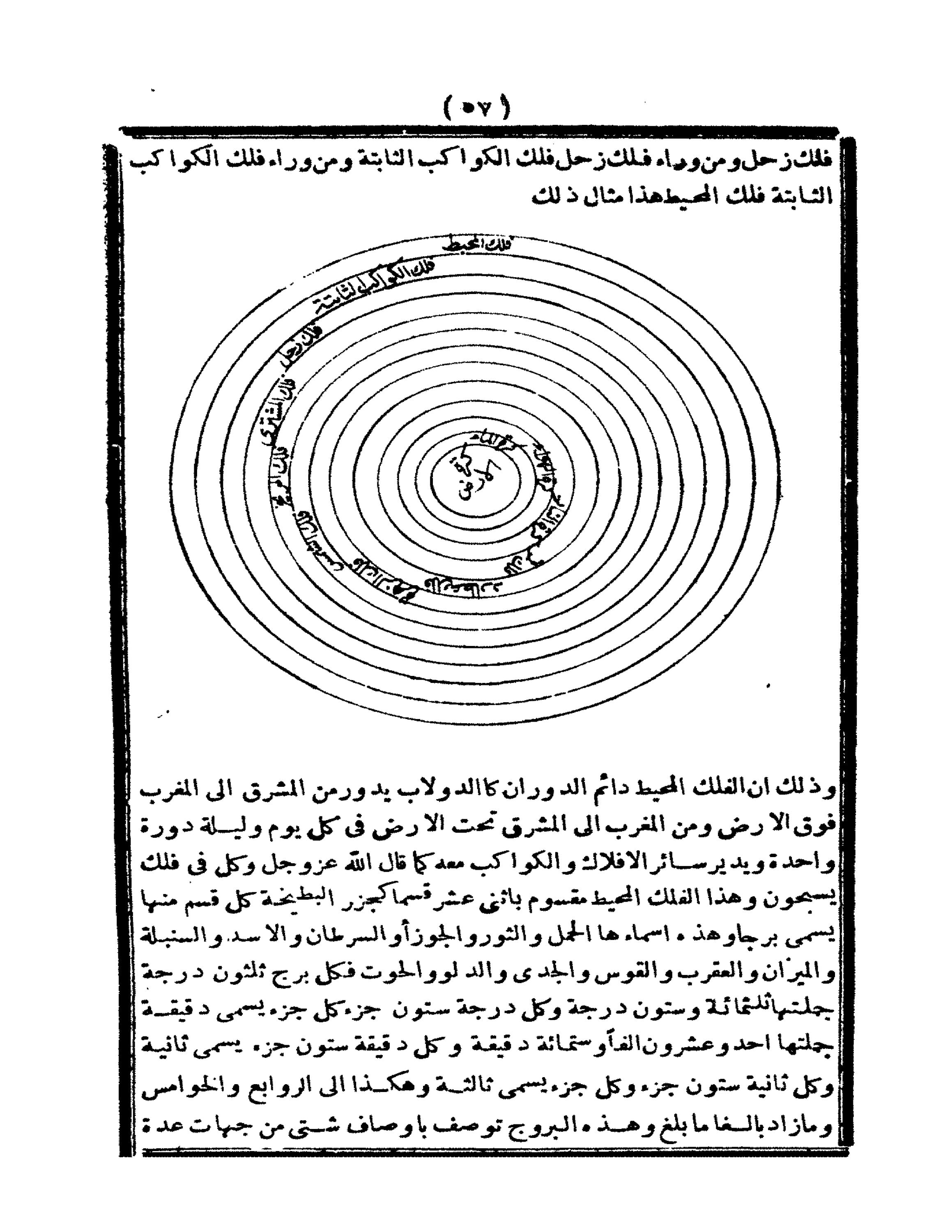
İhvan-ı Safa'nın onuncu yüzyılda Basra'da kaleme aldığı Risaleler'in en meşhur bölümlerinden biri, insan ile hayvanlar arasında Cinlerin Kralı huzurunda görülen büyük davadır. Aşağıda, eserin VI. Bölümü'nün ("Kral ile Vezirin İstişaresi") tam çevirisi yer alır: hayvanların insanlardan çektiği zulüm Cin Kralı'na iletildikten sonra, Kral vezirine danışır, bütün Cin bilgelerini ve kadılarını divanına çağırır, ve orada art arda öne sürülen çözüm önerileri — bir hukukî karar talep etmekten toplu bir kaçışa, zindan kapılarını açmaktan insan-Cin husumetinin eski tarihine dek — tartışılır. Metin, hukuk ile merhametin, insanın tabiat üzerindeki hükümranlığının sınırlarını sorgulayan hermetik bir tefekkür içinde nasıl iç içe geçtiğini gösterir.
Kral divanından kalkınca veziri Bedar'la baş başa konuştu: "İnsanların ve hayvanların bütün ifadelerini, karşılıklı sözlerini işittin; şimdi ne öğüt verirsin? Bu mesele nasıl çözülmeli? Sence en iyi yol hangisidir?" Vezir çok bilge ve tedbirli bir adamdı. Selam verip hayır dualar ettikten sonra şöyle dedi: "Bana kalırsa en uygunu, Kral'ın Cinlerin bütün kadılarını, hukukçularını ve bilgelerini huzuruna çağırıp bu dava hakkında onlarla istişare etmesidir. Kavga ciddi bir kavgadır, hak hangi tarafa meylediyor belli değildir. Böylesi meselelerde istişare şarttır, zira üç beş kişinin görüşünden bir çare doğar. Bilge ve basiretli kişiler böylesi güç işlere danışmadan asla girişmemelidir."
Vezirin bu sözü üzerine Kral, Cinlerin bütün ileri gelenlerinin ve soylularının huzura çıkmasını buyurdu. Hepsi şu sıralamayla toplandı: Müşteri soyundan kadılar, Zühre soyundan hukukçular, Bîran evlatlarından bilgeler, Lokman soyundan hakîmler, Hâmân evlatlarından tecrübeliler, Keyvan evlatlarından akıllılar, Behram evlatlarından sağduyu sahipleri. Kral onlara seslendi: "Bu insanlar ve hayvanlar bize şikâyete gelip ülkemize sığındılar. Hayvanlar hep bir ağızdan insanların zulmünden ve şiddetinden yakınıyor. Şimdi bana öğütleyin, onlar hakkında ne yapılmalı, davaları nasıl karara bağlanmalı."
Orada bulunan âlim bir bilge şöyle dedi: Bana kalırsa yerinde olan yol şudur ki hayvanlar, hâllerini ve insanların elinden çektikleri zulmü bir arzuhâl hâlinde yazsınlar. Sonra bu mesele hakkında âlim bilginlerden bir hukukî görüş, bir fetva talep etsinler. Eğer onlar için bir kurtuluş çaresi kararlaştırılabilirse, kadılar ve hukukçular bir hüküm çıkarır ve insanların onları satmaları mı, azat etmeleri mi, yoksa bir nebze şefkat gösterip sert muamelelerini hafifletmeleri mi gerektiğini bildirir.
İnsanlar kadıların bu kararına boyun eğmez de hayvanlar bunun üzerine onların zulmünden kaçarsa, bunda hayvanların hiçbir kusuru yahut günahı olmaz. Kral bu sözü işitince divandakilere bu husustaki görüşlerini sordu. Hepsi birden bunun mükemmel bir teklif olduğunu ve duruma gayet uygun düştüğünü söylediler.
Ama Sâhib-i Azimet* buna razı olmadı ve dedi ki: "Eğer bu insanlar hayvanları satmayı kabul ederlerse, bedelini kim ödeyecek?" Hukukçu "Kral" dedi. Bunun üzerine Kral'ın bu kadar parayı nereden bulacağı soruldu; hukukçu, hazineden ödeneceğini söyledi. Sâhib-i Azimet o zaman dedi ki: "Hazinede onların bedelini karşılayacak kadar servet var mı? Kaldı ki bazı insanlar onları satmaya hiç yanaşmayabilir; hayvanlara pek çok ihtiyaçları vardır, bedeline aldırış etmezler. Nitekim binek hayvanı olmadan hareket bile edemeyen krallar, vezirler ve nice büyükler vardır. Bunlar asla satışa razı olmayacak, bu hükme karşı çıkacaktır."
Kral ona kendi görüşünü sordu. O da dedi ki: "Bana kalırsa en isabetlisi, Kral'ın bütün hayvanlara emir vermesi, öyle ki hepsi aynı gece birlikte esaretten kaçıp insanların ülkesinden uzaklaşsınlar — tıpkı geyiklerin, ceylanların ve nice zararsız ya da yırtıcı hayvanın topraklarını terk edip kaçtığı gibi. Sabah olup insanlar onları bulamayınca, yüklerini kime yükleyecek, kime binecekler? Bu kadar uzağa gittiklerinden çaresiz kalıp peşlerinden gidemeyecek, susup oturacaklardır. Hayvanların kurtuluşu böyle sağlanır."
Kral bu teklifi beğendi ve herkesin görüşünü sordu. Orada bulunan Lokman soyundan bir bilge dedi ki: "Bu teklif hiç de iyi değildir, akla son derece aykırıdır. Hiçbir surette mümkün olamaz, çünkü hayvanların çoğu geceleri bağlı tutulur, hapsedildikleri yerlerin kapıları kapatılır, nöbetçiler dikilir: hepsi nasıl kaçabilir ki?"
Sâhib-i Azimet dedi ki: "Kral emretsin, bu gece bütün Cinler gidip zindanların kapılarını açsın, hayvanların ayak bağlarını çözsün, bütün bekçileri esir alsın ve o hayvanlar kendi topraklarından iyice uzaklaşana dek onları serbest bırakmasın. Bunu yapmakla Kral büyük sevap kazanır. Onların hâline acıdığım için Majesteleri'ne bu görüşü sundum. Kral hayırhah bir niyetle bu iyilik işine karar verirse, Yüce Tanrı ona yardım ve destek gönderir. Tanrı'nın nimetlerine şükür, mazlumlara yardım ve kurtuluş vermekle gösterilir. Denir ki birtakım peygamberlerin kitaplarında Yüce Tanrı şöyle buyurmuştur: ‘Ey kral, seni yeryüzüne servet biriktirip bu dünyanın hırs ve şehvetlerine dalasın diye değil, mazluma hakkını verasın diye hükümdar kıldım; çünkü onların öcünü elbette ben alırım, kâfir de olsalar.’"
Kral yine hepsine bu konudaki görüşlerini sordu. Hepsi onayladı, çok yerinde bulduklarını söylediler. Ama Keyvanlı bir bilge bundan tatmin olmadı; dualar ve hürmetler sunduktan sonra bunun çok güç bir mesele olduğunu, hiçbir surette gerçekleştirilemeyeceğini, sonradan hiçbir biçimde telafisi mümkün olmayacak nice kötülük ve tehlikeyi beraberinde getireceğini anlattı.
Kral ona neden korktuğunu sordu, kendisinin de anlaması için açıklamasını istedi. Bilge dedi ki: "Majesteleri, hayvanlara bu kurtuluş yolunu öneren kişi büyük bir hata yaptı. İnsanlar sabah kalkıp hayvanları bulamayınca kaçtıklarını hemen anlayacaklar. O zaman bunun hiçbir insanın işi olmadığını, hayvanların kendi başlarına becerebileceği bir tertip de olamayacağını kesin olarak düşünecek, bunu Cinlerin hile ve dalaverisine bağlayacaklardır." Kral, "Doğru, bunda hiç şüphe yok; bizden şüphelenecekler" dedi.
Bilge devam etti: "Ey dünyanın sığınağı! Hayvanlar ellerinden kaçıp gördükleri hizmet kesilince insanlar derin bir keder ve tasaya kapılacak, Cinlere düşman olacaklardır. Zaten eskiden beri bizim düşmanımızdırlar, ama artık kinlerini ve husumetlerini her zamankinden daha çok gösterecekler." Bilgeler, düşmanlar arasında barış kurup Majesteleri'ni onların husumetinden koruyacak kişinin gerçekten bilge bir kişi olması gerektiğini söylediler. Bunu duyan bütün Cinler onun doğru söylediğini belirttiler.
Bunun ardından başka bir bilge sordu: "Onların düşmanlığından niye korkalım ki, bize zarar veremez. Bizim bedenlerimiz ateşten, çok ince ve hafiftir, göğe kadar uçarız — insanların bedenleriyse topraktandır, aşağıda kalır, yükselemezler. Aralarında istediğimiz gibi dolaşır, bakarız, ama bizi göremezler; öyleyse neden korkalım?"
Keyvanlı bilge ona cevap verdi: "Ne yazık ki hiçbir şey bilmiyorsun. İnsanlar topraktan olsalar da içlerinde göksel ruhlar ve melek nitelikli özler taşırlar; bu sayede bize üstünlük sağlarlar. Üstelik nice hile ve tuzağı bilirler. Geçmiş çağlarda insanlarla Cinler arasında pek çok savaş oldu; bunları duymak bize ibret olmalıdır." Kral, kendisinin de anlaması için bilgeden bu meseleleri ve gerçeğin ne olduğunu anlatmasını istedi. Bilge, insanlarla Cinler arasındaki bu doğal nefretin ve köklü husumetin eski çağlardan geldiğini, anlatmaya kalksa çok uzayacağını söyledi. Ama Kral, hiç değilse baştan biraz anlatmasını buyurdu.
* Sâhib-i Azimet: Çevirmen John Dowson bu unvanı İngilizceye çevirmeden bırakmıştır — kabaca "kararlı, iş bilir kişi" anlamına gelir; taşıyıcısı bir Cin olduğu için "adam" sözcüğünü kullanmadan tam karşılığını bulmanın güç olduğunu belirtir. Aynı sebeple bu çeviride de özgün unvanıyla korunmuştur.
Özgün metin (İngilizce)
When the King arose from his assembly, he spoke to Bedar, his wazir, in private, saying, "You have heard all the statements and rejoinders of the men and the animals; what advice have you now to offer? How ought the matter to be settled? What course seems best in your opinion?" The wazir was a very wise and prudent man. After making his obeisance, and invoking blessings, he proceeded to say, "It seems to me preferable that the King should call to his presence all the judges, lawyers, and sages of the Jins, and consult with them about the case. The quarrel is a serious one, and it is not clear to which side the right inclines. In such matters consultation is necessary, for in the counsels of three or four some plan is decided upon. Wise men and far-seeing men should be careful never to enter upon such difficult matters without advice and counsel."
In accordance with this speech, the King gave orders that all the chiefs and nobles of the Jins should attend. So they all assembled according to the following specification: judges of the race of Jupiter, lawyers of the race of Venus, wise men of the children of Biran, sages of the race of Lukman, experienced persons of the children of Haman, intelligent persons of the children of Kaiwan, and persons of common sense of the children of Bahram. The King addressed them, saying, "These men and beasts have come complaining to us, and have taken refuge in our country. The animals all complain of the tyranny and violence of men. Now do you advise me what ought to be done with them, and how their business should be decided."
A learned sage of the race of Venus who was present, said, "In my opinion the proper course is for the animals to write out a statement of their circumstances, and of the oppression they have endured at the hands of men, and to take a legal opinion thereon from the learned. If any means of deliverance can be settled for them, the judges and lawyers will give a decree whether the men are to sell them, set them free, or show some kindness and mitigation of their harsh treatment. If the men do not obey this decision of the judges, and the animals flee from their tyranny, then it will be no fault or sin of theirs."
When the King heard this, he asked them what they had to say to it. They all replied that it was an exceedingly good proposition, and suitable for the occasion.
But the Sahib-i azimat* did not approve of it, and observed, "If these men agree to sell the animals, who will pay the price of them?" The lawyer said, "The King." Upon this, he asked from whence the King could get so much money. The lawyer said it would be paid from the public treasury. The Sahib-i azimat then said, "Is there so much wealth in the public treasury as to suffice for the price of them? Some men, too, may refuse to sell them. They have great need of the animals, and do not care for the price of them. Thus there are kings and ministers and many gentlemen who cannot move about without an equipage. They will never consent to sell them, and will oppose this decree."
The King then asked him what seemed good in his opinion, and he said, "It seems to me advisable that the King should direct all the animals to act in concert, so that in one and the same night they might flee from captivity, and go far from the dominions of men — just as deer, hog-deer, and many other harmless and rapacious beasts have left their dominions and have fled. In the morning, when the men do not find them, on whom will they lade their goods, and on whom will they ride? Being helpless from their being so far away, they will not be able to go after them, so they will sit down in silence. In this way the deliverance of the animals will be effected."
The King approved of this proposition, and asked them all for their opinion upon it. There was present a wise man of the descendants of Lukman, and he said, "This proposition is not at all a good one, and this course is very much opposed to sense. It is by no means possible, because many of the animals are fastened up in durance all night, the doors of their prisons are closed, and sentinels are placed on guard: how can they all run away?"
The Sahib-i azimat said, "Let the King give his commands for all the Jins to go this night to open the doors of the prison-houses, to untie the heel-ropes of the animals, to make prisoners of all the guards, and not to release them until all those animals are far away from their territory. There will be very great merit to the King in doing this. Feeling pity for the condition of those animals, I have offered my sentiments by way of advice to his Majesty. If, with benevolent intentions, the King shall resolve upon this work of kindness, the Lord Almighty will render him aid and assistance. Gratitude for the favours of God is shown in giving help and deliverance to the oppressed. People say that it is written in the books of several prophets that God Almighty says: ‘O king, I have not made thee ruler over the face of the earth in order that thou mayest amass wealth and devote thyself to the greed and lusts of this world, but rather that thou shouldst give redress to the oppressed, for I indeed avenge them, even though they be infidels.’"
The King again asked them all what they had to say to it. They all approved, and said it was very proper. But a certain Kaiwani sage was not satisfied with it, and after offering his blessings and reverences, he represented that it was a very difficult matter, and could not in any way be accomplished; it must be attended with many evils and dangers which afterwards will in no way be capable of rectification.
The King asked him what he had to fear in the matter, and told him to explain so that he himself also might know. He said, "Your Majesty, he who proposed this way of deliverance for the animals made a great mistake. When the men rise in the morning they will not find the beasts, and will become apprised of their flight. They will then think for a certainty that it is not the work of any man, and that it cannot have been effected by any scheme of the animals, but must rather be attributed to the cunning and trickery of the Jins." The King said, "That is true — there is no doubt about it; they will suspect us."
The sage continued, "Asylum of the world! when the animals have escaped from their hands, and the services rendered are interrupted, then the men will be very sorrowful and anxious, and will become enemies of the Jins. From of old, indeed, they have been our foes, but now more than ever they will show their malice and animosity." The sages observed that he indeed must be a wise man who, making peace between the enemies, would preserve his Majesty from their animosity. All the Jins, when they heard this, said he spoke the truth.
After that another sage enquired, "Why should we fear their enmity, for it will not avail against us. Our bodies are fiery, and are very subtil and light, so that we fly up to the sky — but the bodies of men are of dirt; they remain below, and cannot ascend. We wander and look about among them without ceremony, but they cannot see us; so what have we to fear?"
The Kaiwani sage answered him saying, "Alas! thou dost not know anything about it. Although men are earthy, still they have in them celestial souls and angelic spirits, through which they hold the pre-eminence over us; and besides, they are acquainted with many wiles and stratagems. In ages past there have been many battles between men and the Jins, the hearing of which should be a warning to us." The King desired the sage to inform him of those matters, and how the truth stood, so that he also might understand it. The sage replied that a natural hatred and an innate animosity between men and the Jins had come down from of old time, the narration of which would be very prolix. But the King ordered him to recount a little of it from the beginning, so far as could be recounted.
* Sahib-i azimat: a resolute or practical person. Dowson retains the original title, noting that it is difficult to find an equivalent English word sufficiently definite, without using the word "man," while the bearer of the name is a Jin.
Bu metin neden önemli
İhvan-ı Safa (Saflık Kardeşleri), onuncu yüzyıl Basra'sında faaliyet gösteren, kimliklerini gizli tutan bir âlimler topluluğudur. Elli iki risaleden oluşan ansiklopedik külliyatları, Yeni Eflatunculuğu, Pisagorcu sayı öğretisini, İslam kelamını ve Hermetik kozmolojiyi tek bir felsefî sistemde birleştirir. Buradaki bölüm, hayvanların insanlığa karşı açtığı davayı bir alegori içinde işleyen ünlü risaleden gelir ve insanın evren içindeki yeri ile diğer canlılara karşı ahlakî sorumluluğunu sorgular. John Dowson'ın 1869 tarihli çevirisi, bu metnin Batı dünyasındaki ilk İngilizce aktarımlarından biridir. 1850 öncesi bir İngilizce çeviri mevcut olmadığından, konuya doğrudan ve birebir denk düşen bu birincil kaynak seçilmiştir.
Bu eser Hermetizm Koleksiyonu'nun parçasıdır →
- Kaynak eser
- Rasa'il Ikhwan al-Safa (Epistles of the Brethren of Purity), the dispute between man and the animals, translated by John Dowson
- Neşir
- John Dowson İngilizce çevirisi, 1869; kozmoloji şeması Rasa'il Ikhwan al-Safa 1887 Arapça baskısından.
- Konum
- VI. Bölüm, "Consultation between the King and the Wazir" (basılı kitap s. 31–35, dijital nüshada s. 44 civarı); şema baskı sayfası 60.
- Çeviren
- Şira Nur Uysal
- Dijital nüsha
- Source Library
Uysal, Ş. N. (Çev.). (2026). Hayvanların Davası: Cin Kralının Divanında Bir Bilgenin Öğüdü. Kadim Kütüphane. https://kadimkutuphane.com/ihvan-i-safa-hayvanlarin-davasi-kral-divani@misc{kk_ihvan_safa,
author = {Uysal, Şira Nur},
title = {{Hayvanların Davası: Cin Kralının Divanında Bir Bilgenin Öğüdü}},
year = {2026},
publisher = {Kadim Kütüphane},
url = {https://kadimkutuphane.com/ihvan-i-safa-hayvanlarin-davasi-kral-divani},
note = {Türkçe çeviri, özgün eser: İhvan-ı Safa (çev. John Dowson)},
}Yeni metinlerden ilk sen haberdar ol
Tam çeviriler, PDF'ler ve yeni eklenen kaynaklar hazırlandıkça e-postana düşsün.